Skip to content


When your air conditioner starts acting up, you are faced with a tough question: fix what you have, or invest in something new? It is a bigger decision than it looks. The wrong choice can mean higher bills and repeat breakdowns for years, while the right one keeps your home comfortable and your costs in check. The trick is knowing which way your situation actually leans.
In a humid Maryland summer, that decision affects more than the upfront price. This guide walks through when a repair makes sense, when age and rising bills tip the scales, and how to compare the real cost of fixing your system against a new one, so you can choose what truly saves you more.
Why Does the Repair-or-Replace Decision Matter for Maryland Homeowners?
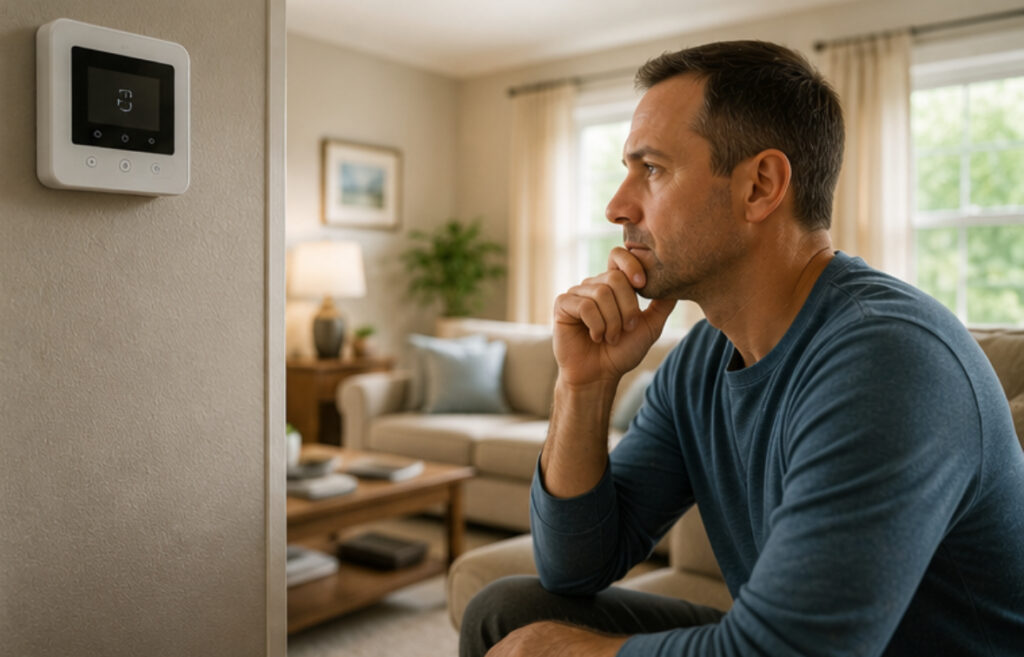
In a hot, humid Maryland summer, an air conditioner runs long and hard, so the repair-or-replace choice does more than solve today’s problem. It shapes your comfort, your energy bills, and your budget for the next five to ten years. A quick fix on the wrong system can become the first of many service calls.
Older homes around Cheverly and Prince George‘s County add to the equation. Long runtimes, aging ductwork, and rising electricity rates can turn a cheap repair into a pattern of expensive ones. Warning signs like longer cooling cycles, uneven temperatures, and worsening humidity are easy to ignore until they add up. Weighing the system’s overall condition, not just the broken part, is what leads to a decision you will be glad about later.
When Is an AC Repair the Smarter Financial Choice?
For many homes in the DMV, repairing the existing air conditioner makes far more sense than replacing it. If the system still cools reliably and has been reasonably maintained, a focused repair can extend its life without committing you to the higher cost of a new installation. Repair usually wins when the problem is isolated and the rest of the system is sound.
A repair tends to be the smarter financial choice when:
- A failed capacitor, contactor, or thermostat caused a simple no-cool situation
- A small refrigerant leak can be repaired once and properly tested
- The system is reasonably young and still cools evenly with strong airflow
- Comfort complaints trace back to ducts or airflow, not the AC unit itself
- Energy bills have stayed steady from one summer to the next
In these cases, a targeted AC repair restores comfort at a fraction of replacement cost.
What Are the Signs Your AC Is Getting Too Expensive to Maintain?

A system does not have to stop working completely to become a poor investment. In many cases, homeowners begin noticing rising operating costs, declining comfort, and more frequent repair visits long before the equipment fails. When several of these warning signs appear together, it may be time to compare the long-term cost of repairs against replacement.
Rising Energy Bills Without Increased Usage
One of the clearest signs of declining efficiency is a noticeable increase in summer utility bills despite using the thermostat the same way. We often see older systems run 20% to 30% longer than they did just a few years earlier because aging components, dirty coils, and reduced efficiency make it harder to keep up with DMV summer humidity and heat.
Multiple Repairs Within a Short Period
An occasional repair is expected throughout the life of an air conditioner. However, when a system needs two or three service calls within a 12-month period, especially for refrigerant leaks, capacitors, contactors, or blower-related issues, repair costs can quickly exceed the value of keeping the equipment in service.
Uneven Cooling and Humidity Problems
Many homeowners assume uneven temperatures are simply part of living in an older home. In reality, persistent hot rooms, weak airflow, and excess indoor humidity often indicate an aging system struggling to deliver the cooling performance it once could. These comfort issues frequently become more noticeable during the hottest months of the year.
Expensive Repairs on an Aging System
When a major component such as a compressor, evaporator coil, or condenser coil fails on a system that is already 10 to 15 years old, replacement often deserves serious consideration. In our experience, investing thousands of dollars into aging equipment may only delay another significant repair while offering little improvement in efficiency, reliability, or long-term comfort.
How Much Does System Age Affect Long-Term Cooling Costs?
Age matters, but it rarely tells the whole story. Some systems need replacing at eight years while others run efficiently at fifteen, depending entirely on how well they were maintained. Age sets the stage; your bills, comfort, and repair history reveal what is really going on inside the equipment.
As an air conditioner gets older, a few patterns tend to show up: higher energy bills as efficiency drops, longer run times during heat waves, weaker humidity control, and more frequent service calls as parts wear out and warranties expire. Most central systems last roughly 12 to 15 years in our climate. A unit near or past that range that is showing these patterns is more likely a replacement candidate than one that simply needs another part.
How Do You Compare Repair Costs to a New System?

The hardest part of the decision is putting real numbers to it. Rather than comparing price tags alone, it helps to compare total ownership costs: what you have already spent, what is likely coming next, and how that stacks up against a modern, efficient unit. A simple way to see which direction your situation leans:
| Question to Ask | What It Tells You |
|---|---|
| How much have repairs cost in the last 2 years? | Whether repair costs are trending up |
| Is any single repair quote over $1,000? | You are near major-decision territory |
| Are key parts out of warranty? | Higher risk of future expense |
| Are energy bills climbing each summer? | Efficiency and comfort are declining |
| Do hot or cold spots persist after repairs? | A system limitation, not just a bad part |
When several answers point the same way, the choice usually becomes clear. A common guideline is that once repairs approach 30 to 50 percent of a new system, replacement is often the better long-term value.
What Else Affects Your Return on Investment?
The repair-versus-replacement decision is not just about today’s invoice. The real return on investment comes from how well your system performs over the next several years and how much confidence you have in its ability to handle future DMV summers without repeated problems.
Before making a decision, consider these factors:
- Comfort Performance: Are certain rooms consistently warmer, more humid, or harder to cool than the rest of the home?
- System Reliability: Can you depend on the equipment during the hottest weeks of summer, or are breakdowns becoming a recurring concern?
- Energy Efficiency: Have utility bills continued to rise even though your cooling habits and thermostat settings have remained the same?
- Future Repair Risk: Major components such as compressors, blower motors, and coils become more likely to fail as systems age.
- Warranty Coverage: Equipment that is no longer under warranty can make even routine repairs significantly more expensive.
- Long-Term Ownership Costs: Multiple small repairs spread across several seasons can sometimes exceed the value of investing in newer, more efficient equipment.
When comfort, reliability, efficiency, and repair costs all begin moving in the wrong direction at the same time, the most cost-effective choice is often clearer than homeowners initially expect.
Why Choose Nero’s Heating & Air for AC Repair and Replacement in Cheverly, MD
The right decision is not always the cheapest repair or the newest system. It is the option that delivers reliable comfort, reasonable operating costs, and peace of mind during Maryland’s hottest and most humid months.
For nearly 20 years, Nero’s Heating & Air has helped homeowners throughout Cheverly and the DMV evaluate aging cooling systems with honest, fact-based recommendations. Whether your system is a good candidate for AC repair or it’s time to consider an AC replacement, our team takes the time to assess system performance, airflow, efficiency, and overall condition before making a recommendation.
If your air conditioner is becoming less reliable, driving up energy bills, or struggling to keep your home comfortable, schedule an evaluation with Nero’s Heating & Air. We’ll help you understand your options and choose the solution that makes the most sense for your home and budget.