

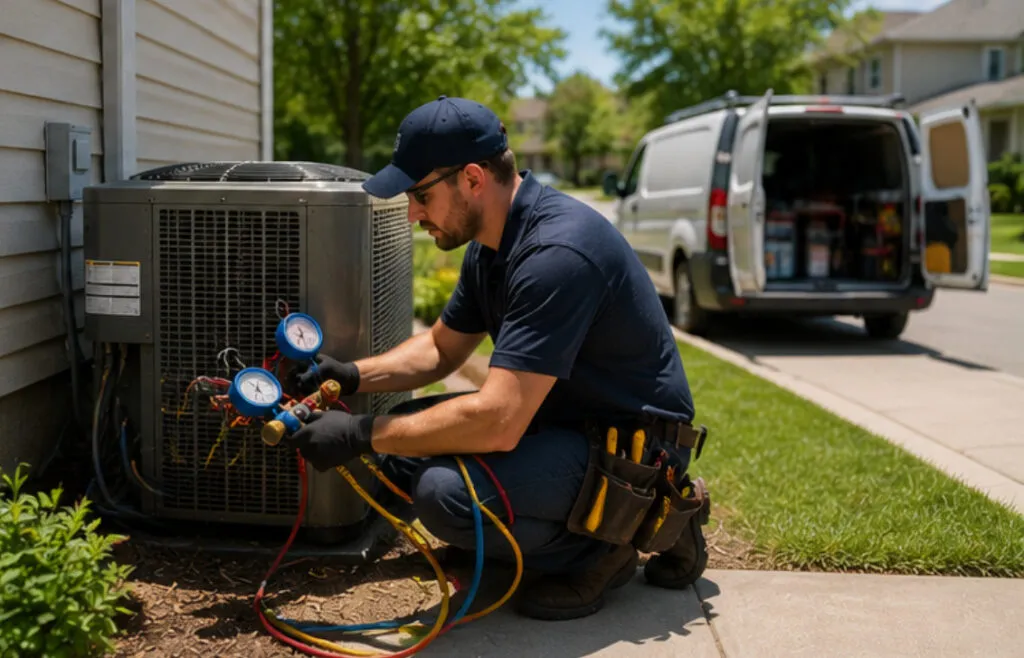
An air conditioner rarely chooses a convenient time to stop working. In Cheverly, emergency AC breakdowns often happen during the hottest days of summer, when temperatures climb into the 90s, humidity is high, and HVAC systems are running almost continuously. Losing cooling during a heatwave isn’t just uncomfortable. It can quickly become a health concern for young children, older adults, and anyone with medical conditions.
The first few minutes after your AC stops working often determine whether the problem remains a minor repair or becomes a more serious issue. Knowing what to check, what to avoid, and when to call for emergency service can help protect your equipment while keeping your family as comfortable as possible until repairs are completed.
What Qualifies as an AC Repair Emergency?
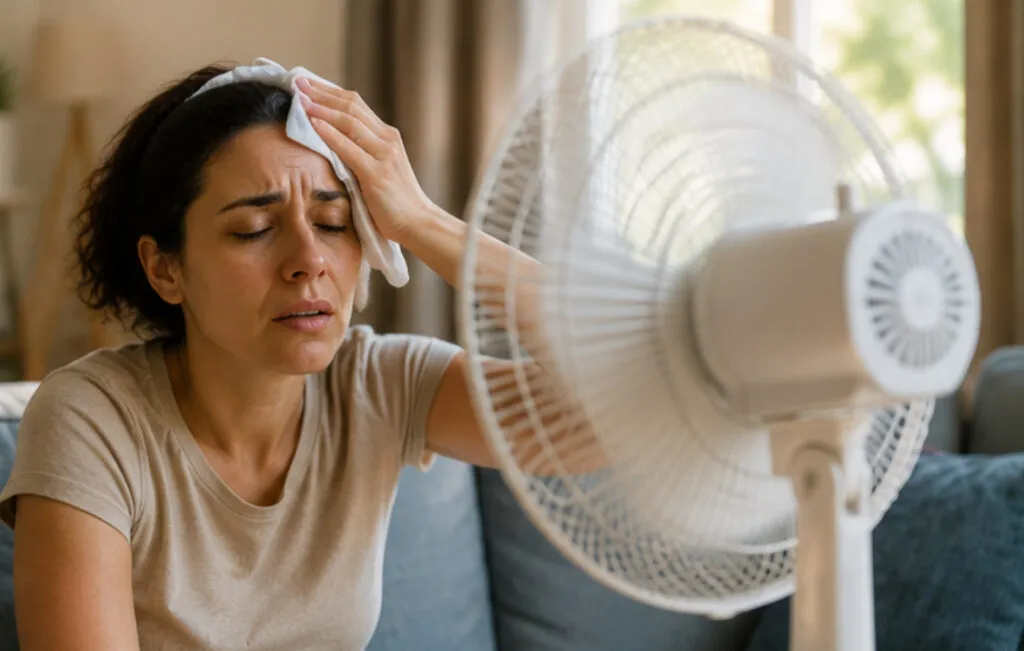
Not every air conditioning problem requires immediate emergency service, but some situations shouldn’t wait until the next business day. During a Cheverly heatwave, indoor temperatures can rise quickly, especially when outdoor temperatures are in the 90s with high humidity. Recognizing a true HVAC emergency helps protect your family, prevents additional equipment damage, and ensures you seek professional help at the right time.
Your AC Stops Cooling Completely
If your thermostat is set correctly but warm air is coming from the vents, or the system won’t run at all, it’s considered an emergency during extreme summer weather. Before calling, check the thermostat, air filter, and circuit breaker. If the problem persists, professional service is needed to prevent indoor temperatures from becoming unsafe.
You Notice a Burning Smell or See Smoke
A burning odor is never normal. It may indicate overheating electrical wiring, a failing blower motor, or damaged electrical components inside the system. Turn the air conditioner off immediately at the thermostat and avoid restarting it until a qualified HVAC technician has inspected the equipment.
The Outdoor Unit Won’t Turn On
If the indoor blower is running but the outdoor condenser remains completely silent, the issue could involve the capacitor, contactor, electrical disconnect, or compressor. Continuing to reset the system repeatedly won’t solve the problem and may place additional stress on electrical components.
Water Is Leaking Around the Indoor Unit
A clogged condensate drain or frozen evaporator coil can cause water to overflow around the indoor air handler. Ignoring the leak can damage drywall, flooring, or nearby building materials while also creating conditions for mold growth if moisture remains for an extended period.
You Hear Loud Grinding, Banging, or Screeching Sounds
Unusual mechanical noises often signal a failing blower motor, loose internal components, damaged bearings, or other serious mechanical problems. Shutting the system off promptly can sometimes prevent a relatively minor repair from becoming a much more expensive compressor or motor replacement.
If you’re unsure whether your situation qualifies as an emergency, it’s always safer to have the system evaluated by a professional. Prompt emergency AC repair can restore cooling faster, prevent additional equipment damage, and help keep your home safe and comfortable during Cheverly’s hottest summer days.
What Should You Check Before Calling for Emergency AC Repair?
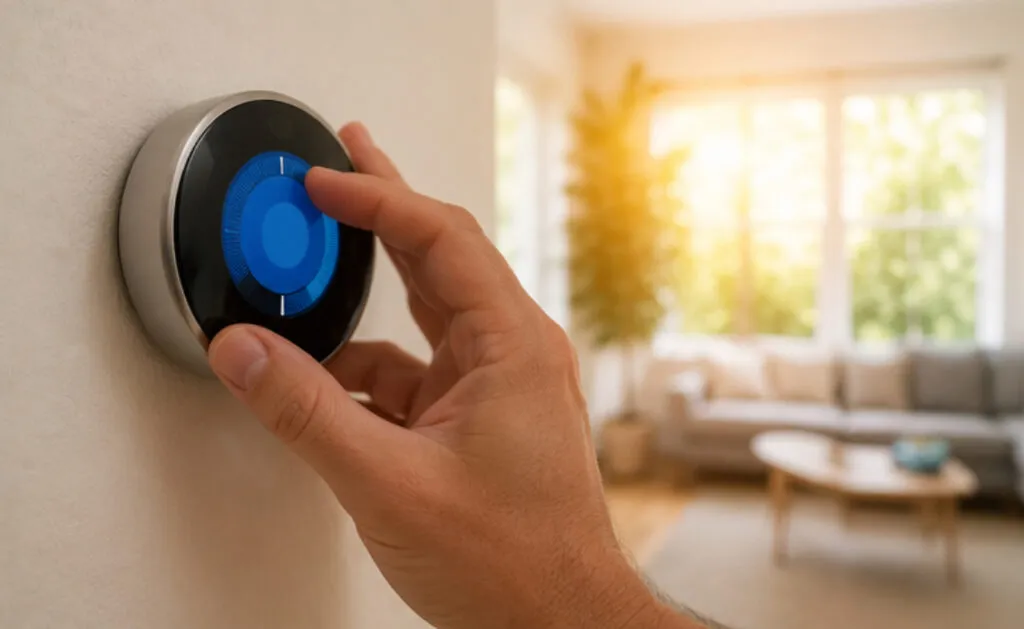
Before assuming your air conditioner has suffered a major failure, take a few minutes to perform several basic checks that homeowners can safely handle. During peak summer in Cheverly, many emergency service calls are traced to simple issues such as a tripped breaker, incorrect thermostat settings, or a severely clogged air filter restricting airflow. While these quick checks won’t resolve mechanical or electrical failures, they can help rule out common problems and provide useful information when speaking with an HVAC technician.
| Quick Check | Why It Matters |
|---|---|
| Verify the thermostat is set to Cool | Incorrect settings are a surprisingly common cause of service calls. |
| Check the air filter | A severely clogged filter can restrict airflow and affect cooling performance. |
| Inspect the circuit breaker | A tripped breaker may prevent the indoor or outdoor unit from operating. |
| Make sure the outdoor disconnect is on | Landscaping or previous service work can sometimes leave it switched off. |
| Look for ice on the refrigerant line | Ice often indicates restricted airflow or a refrigerant-related problem. |
If these checks don’t restore cooling, avoid repeatedly restarting the system. Continuing to run an AC that’s experiencing a mechanical or refrigerant problem can sometimes lead to more expensive repairs.
What Should You Never Do During an AC Emergency?
When your air conditioner stops working during a Cheverly heatwave, it’s natural to want to get it running again as quickly as possible. However, attempting quick fixes without knowing the actual cause can place additional strain on the system and turn a minor repair into a much more expensive one.
- Don’t Lower the Thermostat to 60°F: The system won’t cool any faster and will continue running unnecessarily.
- Don’t Reset the Breaker Repeatedly: If it trips again immediately, there may be an electrical issue that requires professional attention.
- Don’t Continue Running an Iced-Up System: Turn the thermostat to Off and the fan to On to allow the evaporator coil to thaw before inspection.
- Don’t Attempt Refrigerant Repairs Yourself: Refrigerant handling requires specialized equipment and EPA certification.
- Don’t Ignore Burning Odors or Electrical Smells: Turn the system off immediately and request emergency HVAC service.
Taking the right steps during the first few minutes of an AC emergency can often prevent additional equipment damage while helping your HVAC technician diagnose the problem more efficiently.
How Can You Keep Your Home Safe While Waiting for Emergency AC Repair?

If your air conditioner stops working during a Cheverly heatwave, your priority should be keeping your family safe until an HVAC technician arrives. Indoor temperatures can rise quickly, especially in homes with limited shade or west-facing windows.
Reduce Heat Entering the Home
Close blinds, curtains, and shades on windows receiving direct afternoon sunlight. Blocking solar heat gain can help slow the rise in indoor temperatures while your AC is out of service.
Stay Hydrated and Limit Indoor Heat
Drink plenty of water and avoid using ovens, clothes dryers, or other appliances that generate additional heat. Every degree of unnecessary indoor heat makes the home more difficult to keep comfortable.
Use Ceiling Fans Correctly
Ceiling fans don’t lower the room temperature, but they improve air circulation and help people feel 3 to 4°F cooler through evaporation. Fans should only be used while people are occupying the room.
Know When to Leave the House
If indoor temperatures continue climbing and someone in your household is elderly, very young, or has a medical condition, consider moving to an air-conditioned location until professional repairs are completed.
These temporary measures won’t replace air conditioning, but they can make waiting for emergency service much safer during extreme summer weather.
How Can You Reduce the Risk of Future AC Emergencies?
While some equipment failures happen without warning, many emergency repairs begin as small maintenance issues that gradually become worse over time. Preparing your HVAC system before peak cooling season is one of the most effective ways to avoid unexpected breakdowns.
| Preventive Step | Why It Helps |
|---|---|
| Replace the air filter every 30 to 90 days | Maintains proper airflow and reduces strain on the blower motor. |
| Schedule annual AC maintenance | Identifies worn components before they fail during a heatwave. |
| Keep the outdoor unit free of debris | Improves heat transfer and compressor efficiency. |
| Address unusual noises early | Small mechanical issues are often less expensive to repair. |
| Don’t ignore longer cooling cycles | Extended runtime often signals declining system performance before a breakdown occurs. |
Many emergency AC breakdowns begin as small problems that gradually worsen under the stress of Cheverly’s summer heat. Identifying worn components, airflow restrictions, or electrical issues before they fail can help homeowners avoid unexpected loss of cooling when temperatures are at their highest.
That’s why working with an experienced HVAC contractor for timely inspections and professional emergency AC repair is one of the best ways to keep your home comfortable throughout the cooling season.
Why Choose Nero’s Heating & Air for Emergency AC Repair in Cheverly, MD?
When your air conditioner stops working during a Maryland heatwave, you need more than a quick temporary fix. You need experienced technicians who can accurately diagnose the problem and restore reliable cooling as quickly as possible. At Nero’s Heating & Air, we understand how disruptive an AC emergency can be, which is why we respond with practical solutions focused on getting your system back up and running safely.
With more than 18 years of HVAC experience, we’ve helped homeowners throughout Cheverly and the surrounding DMV area handle unexpected cooling emergencies with professional diagnostics, dependable repairs, and honest recommendations. Whether your system has stopped cooling completely or you’re dealing with an electrical or mechanical failure, our team is ready to help with relaible 24/7 emergency HVAC service.
If your AC fails during the next heatwave, don’t wait for the problem to become worse. Contact Nero’s Heating & Air for 24/7 emergency service and let our experienced technicians restore your home’s comfort as quickly and safely as possible.


