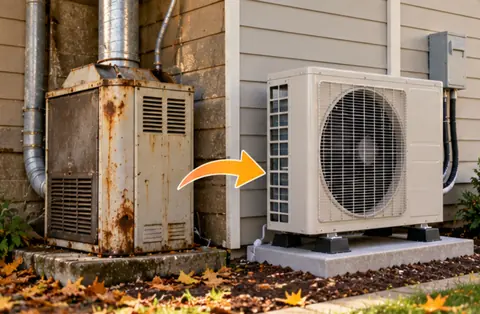






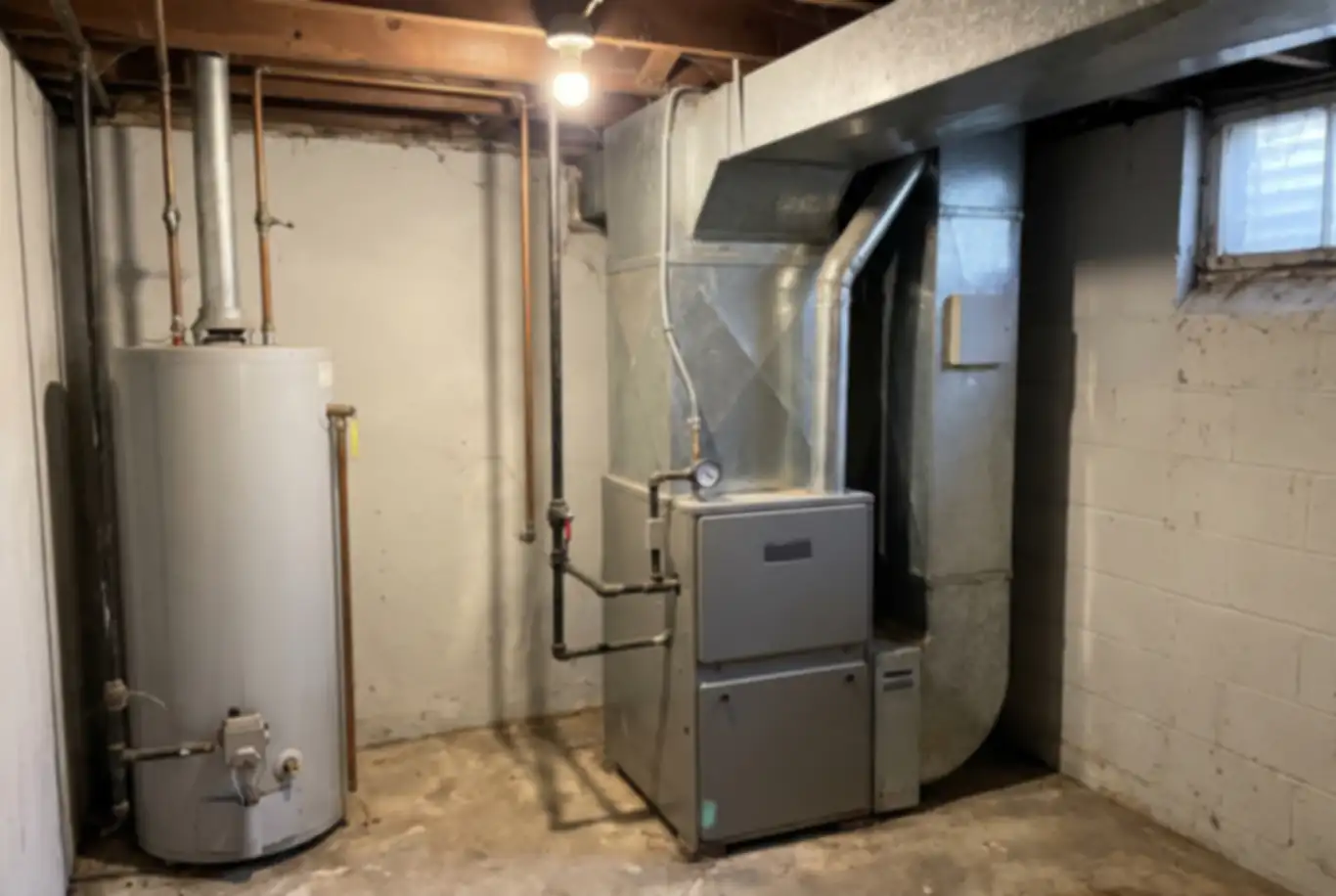

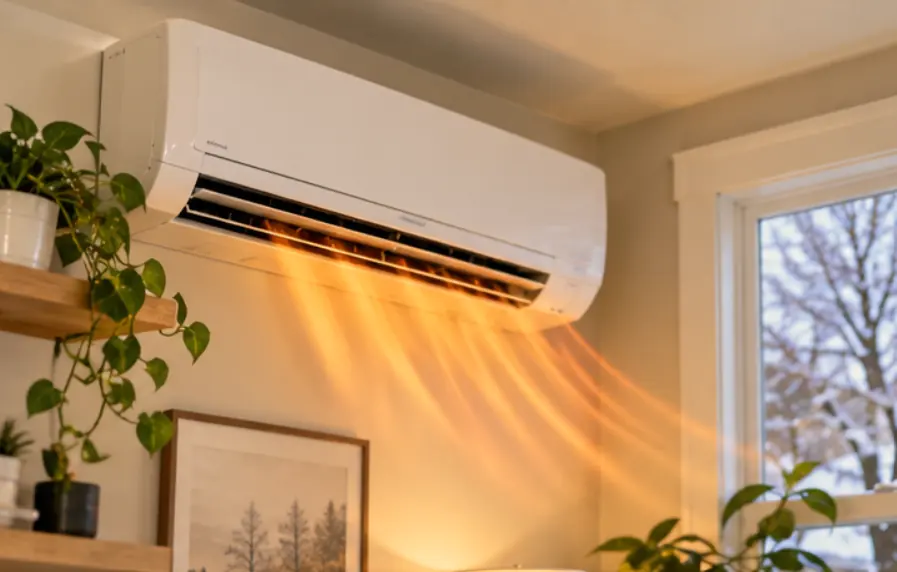
Yes, a ductless mini-split can heat a Cheverly home through winter, including the cold snaps. The catch is that it has to be a cold-climate model sized against the coldest night of the year rather than against its nameplate rating, and most disappointing installs fall short on sizing rather than on the equipment.
That distinction is where the money goes wrong. A standard unit chosen on its headline BTU number can lose a third or more of its output on exactly the night you need it, which is how homeowners end up running space heaters beside equipment they just paid to install. This guide shows the arithmetic and the specifications to ask for.
Do Ductless Mini-Splits Work in Maryland Winters?
They do, and the regional climate makes this an easier call here than in New England. A mini-split is a heat pump with an outdoor compressor and one or more indoor heads, with refrigerant lines rather than ductwork running between them. If you want the underlying cycle explained, we covered how a heat pump moves heat separately.
The useful local number is the design temperature. The heating design temperature HVAC engineers use for the Washington DC area sits in the mid-to-upper teens, and the hours colder than that add up to only a small fraction of a typical year. Cold-climate ductless models publish rated output down to -5°F or lower, which leaves genuine margin against that.
What varies is not whether the technology works but whether your specific installation was sized for the cold night or the average one. Two homes with identical equipment can get different results purely on that decision.
Why Does a Mini-Split’s Heat Output Drop in the Cold?
A BTU rating measures heat moved per hour, and the headline figure is measured on a mild day. As outdoor air cools there is less heat available to extract, so delivered output falls below the nameplate. The number is not dishonest, it just describes warmer conditions than the ones that worry you.
Here is how that typically plays out for a head rated at 12,000 BTU of heat on a mild day. Exact figures vary by model, and the cooling number on the box is not always the heating number, so ask for the published heating ratings:
| Outdoor condition | Standard mini-split | Cold-climate mini-split |
|---|---|---|
| Mild rating day | 12,000 BTU | 12,000 BTU |
| Around freezing | Noticeably below rating | Close to rating |
| 5°F cold snap | Often 50 to 70% of rating | Commonly 70 to 100% of rating |
| Below 0°F | Little usable heat | Many models still heat |
Now put a number on the room. Say a Manual J calculation shows the space loses 9,000 BTU per hour on the coldest nights. A standard head holding 60% of its rating delivers about 7,200 BTU and comes up 1,800 short. A cold-climate head holding 90% delivers about 10,800 BTU and covers it. Both said 12,000 BTU on the box. That gap is the entire problem, and it is invisible if you only compare nameplates.
Size against the cold-weather rating and the arithmetic works. Size against the nameplate and you have bought a unit for a mild March evening.
What Makes a Cold-Climate Mini-Split Different?

Cold-climate mini-splits are designed to maintain useful heating capacity as outdoor temperatures fall, which matters during colder Cheverly winters. The difference is not simply a higher efficiency rating. Compressor operation, low-temperature capacity, defrost performance, and proper system maintenance all affect how well the equipment can continue heating the home when outdoor conditions become challenging.
Variable-Speed Compressors
Standard units run at a single speed, cycling on and off. Variable-speed equipment modulates and ramps the compressor up as conditions get colder, extracting more heat from thinner air. That ability to work harder as demand rises is the main reason a cold-climate model holds output instead of cycling off and letting the room drift.
Rated Output at Low Temperature
The specification that matters is maximum heating output at a stated low outdoor temperature, not the mild-day nominal. Cold-climate models commonly publish ratings down to around -5°F to -13°F. Ask for that figure in writing before you sign, because it is the number that determines whether your house stays warm in a freeze.
The Defrost Cycle
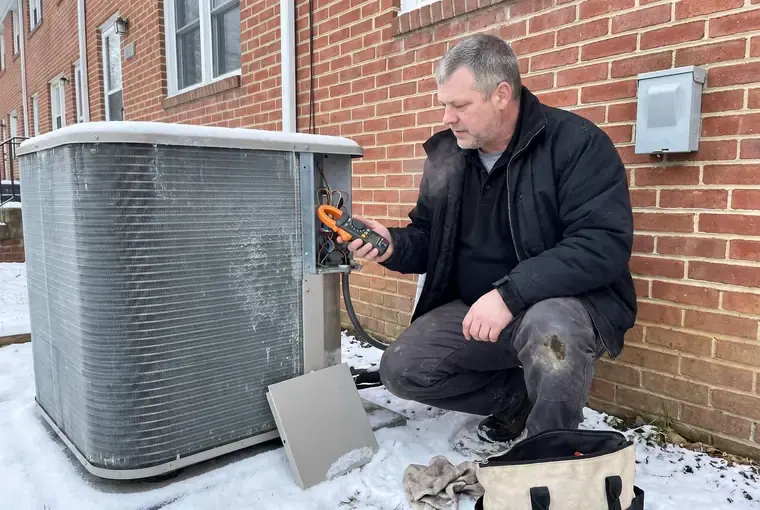
In cold, damp air, frost builds on the outdoor coil and blocks heat transfer. The unit briefly reverses to melt it, so indoor airflow pauses or turns cool for a few minutes. This is designed behavior rather than a fault. A well-matched system defrosts only as often as conditions require and loses little total output across a day. If the outdoor unit stays caked in ice, do not chip at it or pour hot water on it, since both can damage the coil. Switch it off and call for ductless mini-split repair.
Refrigerant Charge and Coil Condition
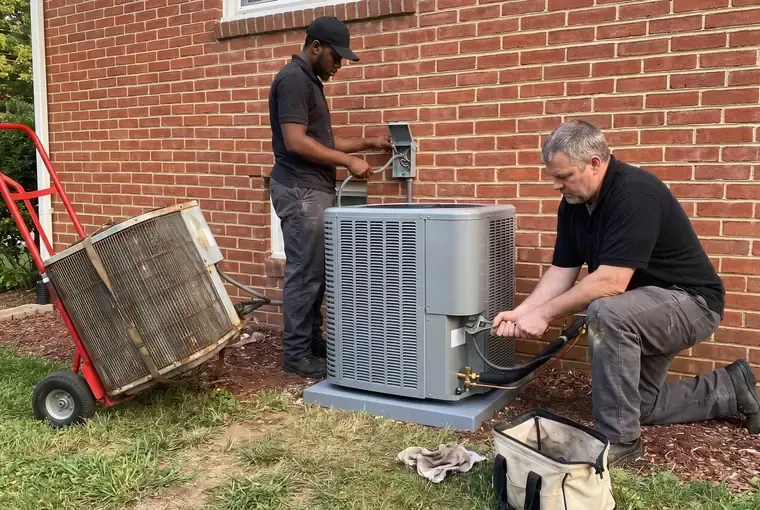
A fouled coil or a charge that is slightly low steals output quietly, and you notice it on the coldest day when the unit has no margin left. Twice-yearly maintenance keeps both correct, and our maintenance plan covers a cooling visit and a heating visit each year for $150. Our post on common ductless faults covers how to tell a charge problem from a sizing problem.
How Many Heads Do You Need to Heat a Whole House?
This is the question that separates ductless from a central system, and it is where expectations most often break. One indoor head heats the space it occupies. Heat does not travel reliably through closed doors, up staircases or down hallways.
A single head in an open living area works well for that area and leaves bedrooms measurably cooler, particularly behind closed doors overnight. If you want the whole house warm, you need a multi-zone system with a head in each area you intend to heat, which changes both the equipment cost and the refrigerant line routing.
That makes ductless a strong fit for specific situations: an addition or converted garage with no ducts, a finished basement, a sunroom, a top floor that the central system never satisfies, or a house with no ductwork at all. It is a weaker fit as a whole-house replacement in a home that already has sound ducts.
What Should You Ask Before Buying?
The sizing conversation is the whole decision, and these are the figures a competent installer can produce without hesitating.
- Manual J load calculation: run against the local design temperature, not square footage
- Rated output at low temperature: the unit’s BTU at -5°F or similar, in writing
- Zone plan: which rooms get heads, and what happens in the rooms that do not
- Insulation assessment: whether air sealing should happen before sizing is finalized
- Backup strategy: what carries the house during an extended hard freeze, if anything
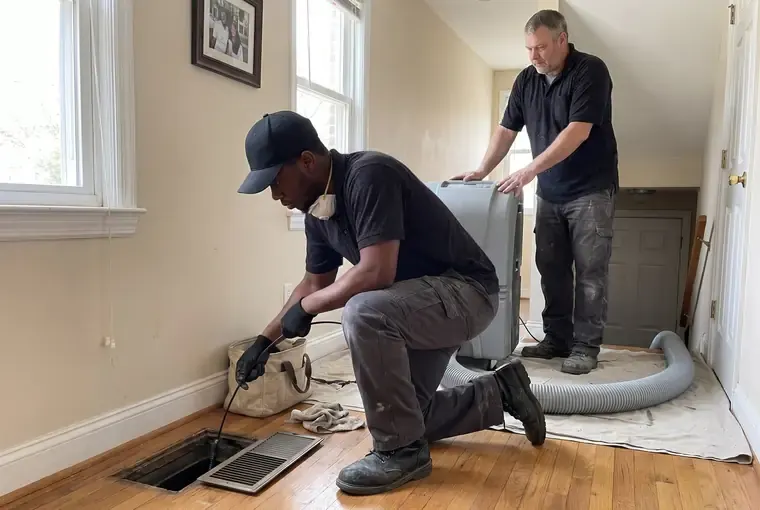
Many homes in this part of Prince George’s County are older, and insulation and windows can vary from room to room. A leaky room loses heat faster than a tight one, so two rooms of identical size can need different capacity. A ductless mini-split installation should start with that assessment rather than a tonnage rule of thumb.
Our advice to anyone collecting quotes: if an installer gives you a BTU number without showing you a load calculation, ask what they based it on. A guess that happens to be right is still a guess, and you will not find out which it was until February.
Mini-Split or Central System: Which Suits Your Cheverly Home?
Neither option is automatically better for every Cheverly home. A ductless mini-split can make sense when a home lacks usable ductwork or needs targeted heating and cooling, while a central system may be more practical when existing ducts are in good condition. The right choice depends on your home’s layout, ductwork, heating needs, and budget.
| Factor | Ductless mini-split | Central heat pump or furnace |
|---|---|---|
| Existing ducts | Not needed | Required, or must be installed |
| Room-by-room control | Strong, each zone independent | Limited without added zoning |
| Whole-house coverage | Needs a head per area | One system covers all ducted rooms |
| Rooms behind closed doors | Often cooler | Served if ducted |
| Best fit | Additions, basements, no-duct homes | Homes with sound existing ductwork |
If your house already has ducts in reasonable condition, a central system usually covers it with less equipment. If you are heating an addition, a basement or a room the central system has never reached, ductless solves that without tearing into ceilings.
Why Choose Nero’s Heating & Air for Ductless Heating in Cheverly, MD?
Based at 1712 62nd Ave in Cheverly, Nero’s Heating & Air installs both ductless and central systems for homeowners across the communities we serve. Working with both lets us recommend whichever one suits the layout of your house, not whichever one is easier to sell.
That might be a single head for one cold room or a multi-zone system covering an entire floor. Either way, the load calculation comes first, and our ductless heating services are matched to what each room loses on the coldest nights.
Estimates on new systems are free and binding once you sign, and each installation carries a one-year labor warranty. If you are weighing ductless for a cold room or a whole floor, call (202) 750-9543 to talk through the options.
Frequently Asked Questions
It depends on your electricity and gas rates rather than on the equipment. A high-efficiency cold-climate unit competes well across a mild Maryland winter, though both output and efficiency fall during a hard freeze, so running cost rises on the coldest days. Compare your own per-kWh and per-therm rates before assuming either direction.
That is the defrost cycle melting frost from the outdoor coil. Indoor airflow pauses or cools briefly, then heating resumes. It is normal in cold, damp air. It becomes a fault only if the unit stays in defrost, defrosts constantly, or never returns to producing warm air.
Yes, and that is one of the strongest uses for ductless. A single head in a cold bedroom, a converted attic or a finished basement solves the problem without touching the central system. It works as a supplement rather than a replacement, which keeps both the cost and the disruption low.
In some homes, yes, using a multi-zone system with a head in each area you want heated. In a house with sound ducts, ductless usually works better as a supplement for the rooms the central system cannot reach. A room-by-room load calculation shows whether ductless alone can carry your coldest nights.
They need more frequent filter attention, because the washable filters sit in the indoor heads rather than in one central return. Plan on rinsing them every few weeks during heavy use. The outdoor unit, coil and charge need the same twice-yearly professional attention as any heat pump.

Julian Jones
- Founder
- Master HVAC, EPA 608
Julian started his own HVAC company after several years in the field with a large home services company. He had already learned the technical side of HVAC. What he wanted to change was how the work was explained.
The part of the job he cares about most is still the explanation. His view is simple: if a technician cannot clearly tell you what failed and why, the diagnosis is not finished yet.
About Us