



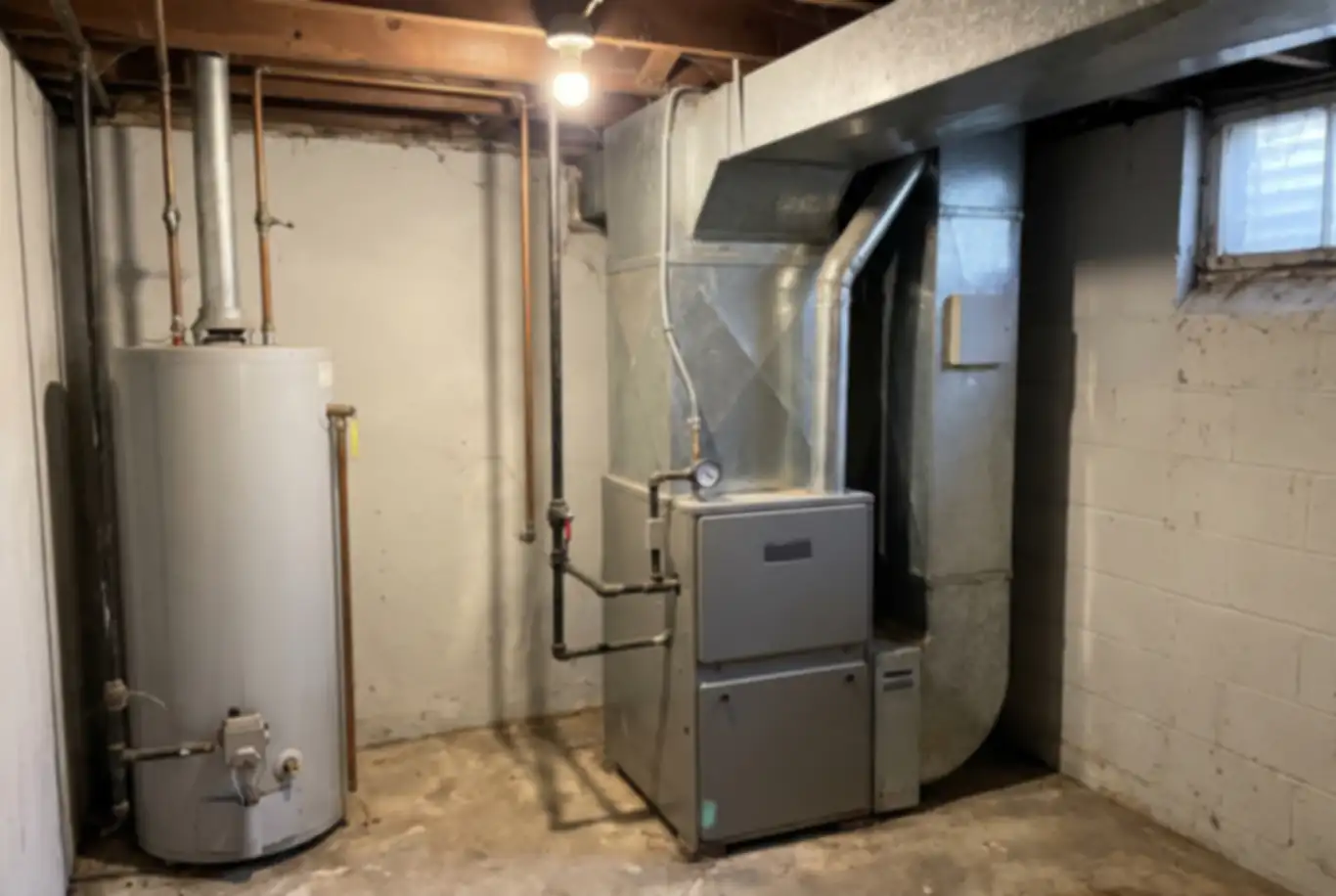

Diagnosis First, Price Second
We look at the system and figure out the fault before anything is priced, and we say so when a repair is the better answer. A replacement conversation starts with what we found in your house, never with a brochure.
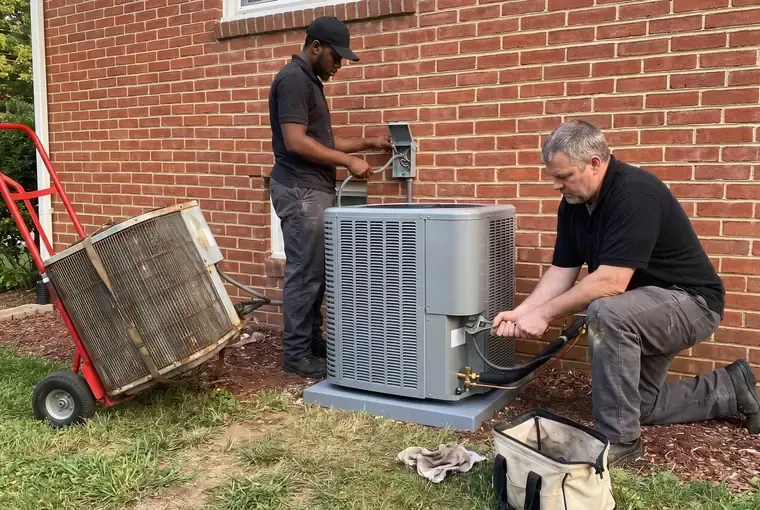
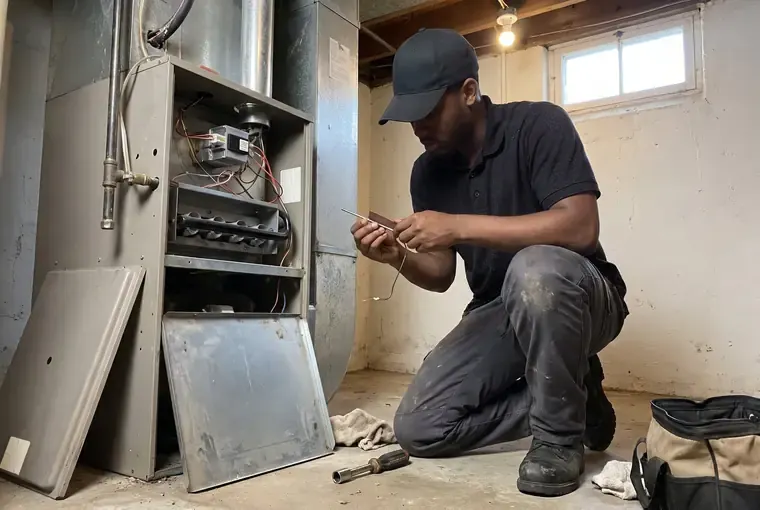
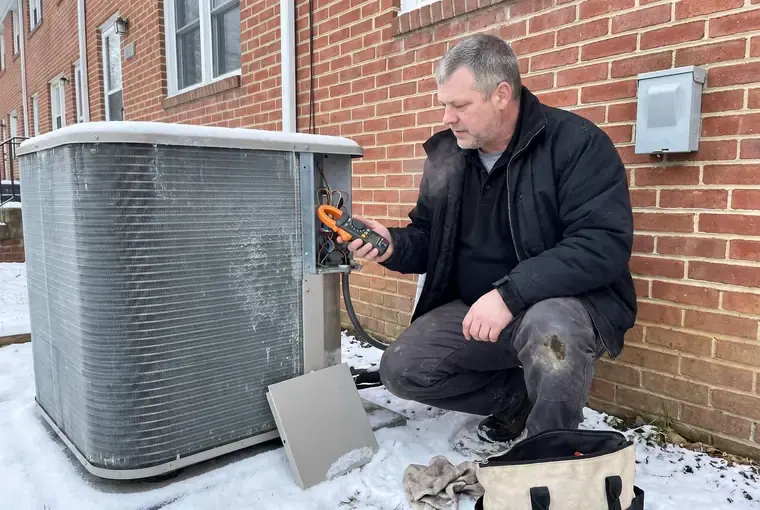

Serving Washington, DC, Prince George’s County, Montgomery County & Northern Virginia, including Upper Marlboro, Hyattsville, District Heights and Silver Spring.
Nero’s Heating & Air started with a technician who wanted more room to do the job properly. Working inside a large home-services company meant busy days and plenty of calls, but not always enough time to explain what failed, what could wait and whether the bigger repair was actually necessary. That frustration eventually pushed Julian Jones to build something of his own.
Nero’s Heating & Air opened in Cheverly in April 2019 and grew the old-fashioned way: one house, one repair and one neighbor telling another. Julian carried the same approach into the company as it grew. Look at the whole system before putting a price on the fix, say when a repair makes more sense than replacement, and put new-system estimates in writing before the work begins. The team is larger now, but the idea behind it has stayed simple.
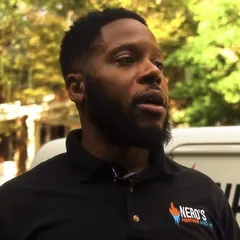
I built this company on honest answers and lasting relationships. That’s how we want every DMV homeowner to remember us.
Julian Jones Founder
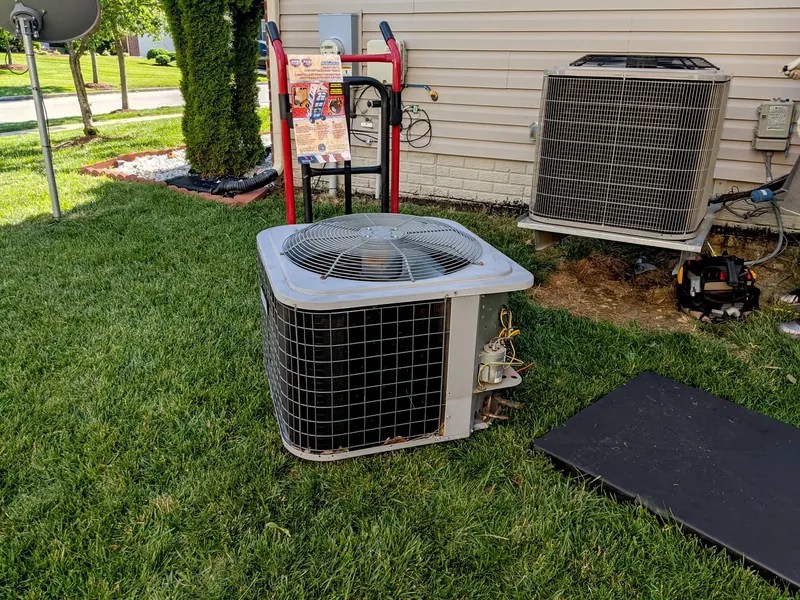
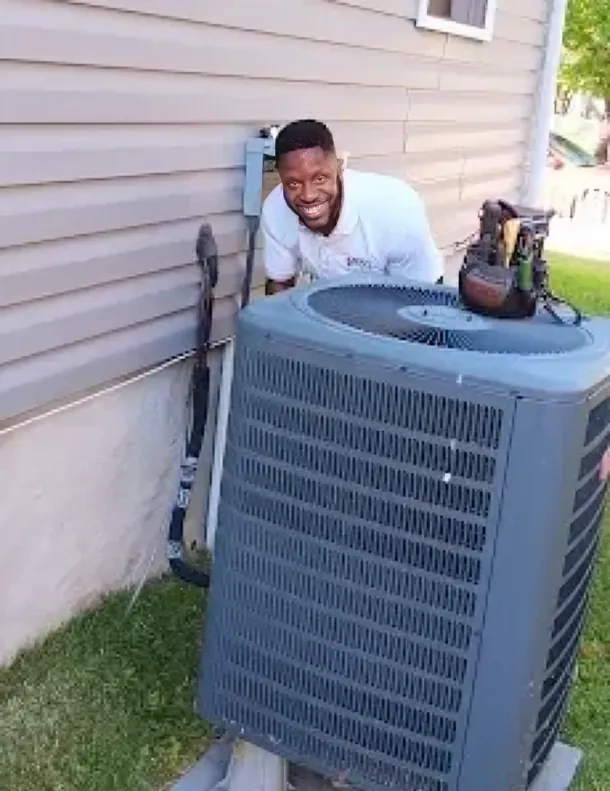
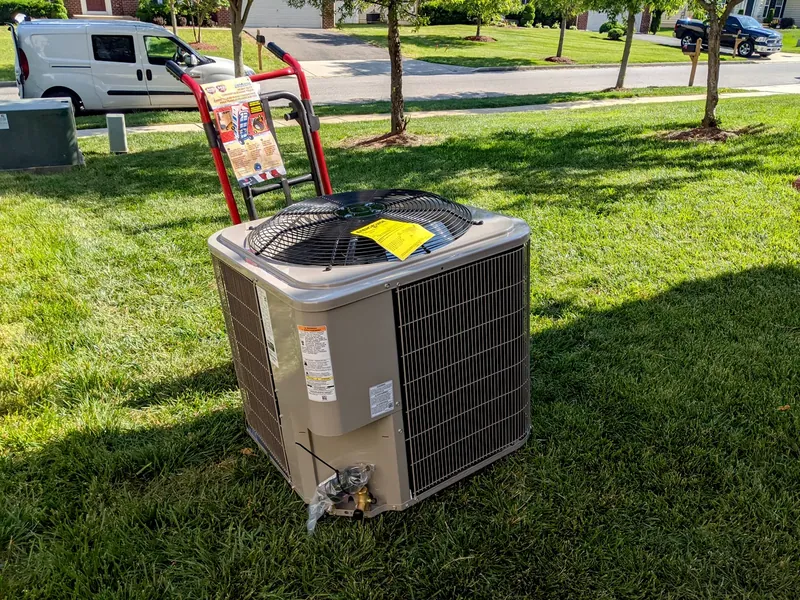
Booking a visit with Nero’s Heating & Air does not send you into a call center or a script. The company is still small enough that Julian stays close to the work, whether that means being on an installation or stepping into a diagnostic when the team wants another set of eyes. That matters because the standard is not coming from a handbook. The person who set it is still there to answer for it.
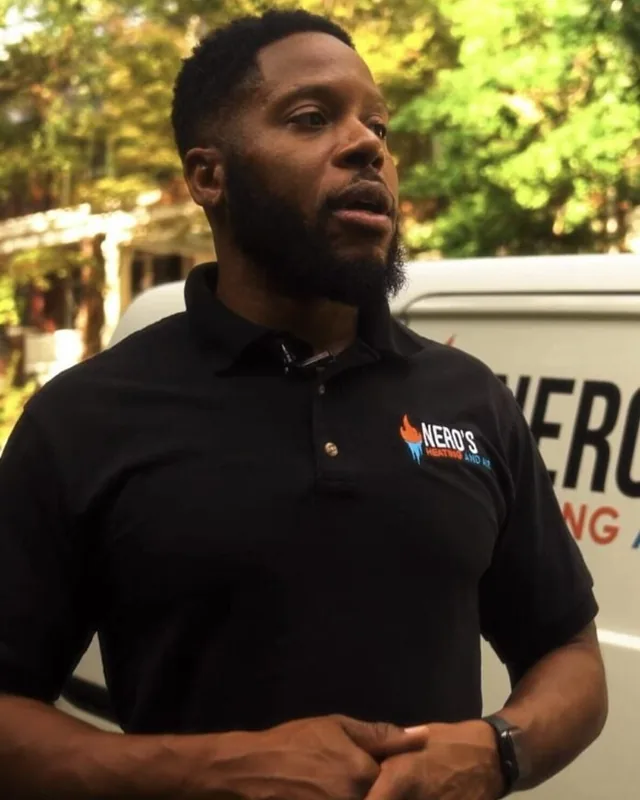
Founder · Master HVAC, EPA 608
Julian started his own HVAC company after several years in the field with a large home services company. He had already learned the technical side of HVAC. What he wanted to change was how the work was explained.
That still shapes the way he runs the company. Julian remains involved in installations and steps into diagnostic calls when a system has been condemned elsewhere or the team wants a second set of eyes. DC News Now has also featured him as an HVAC expert on preparing homes for winter storms.
The part of the job he cares about most is still the explanation. His view is simple: if a technician cannot clearly tell you what failed and why, the diagnosis is not finished yet.
We look at the system and figure out the fault before anything is priced, and we say so when a repair is the better answer. A replacement conversation starts with what we found in your house, never with a brochure.
Our team includes bilingual staff who speak Filipino, which can make a service call easier when you are describing what the system is doing, asking questions or talking through the next step. HVAC is technical enough without language making the conversation harder.
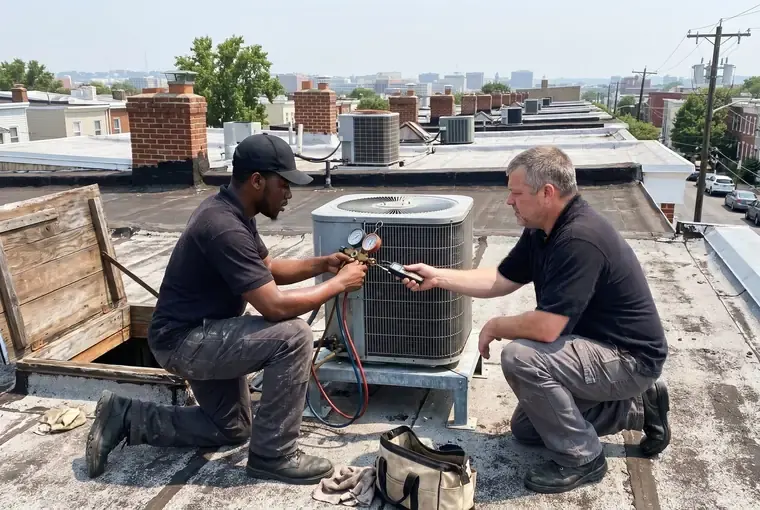
Our diagnostic is $75 and is waived on the repair, while Sunday, after-hours and rooftop visits are $169 and are not waived. Whichever one applies gets said on the phone, before the visit is booked.
Every new system is quoted in writing, with the equipment named and the work described, and signing it fixes the number. Labor on an installation is covered for a year, and repairs for thirty days.
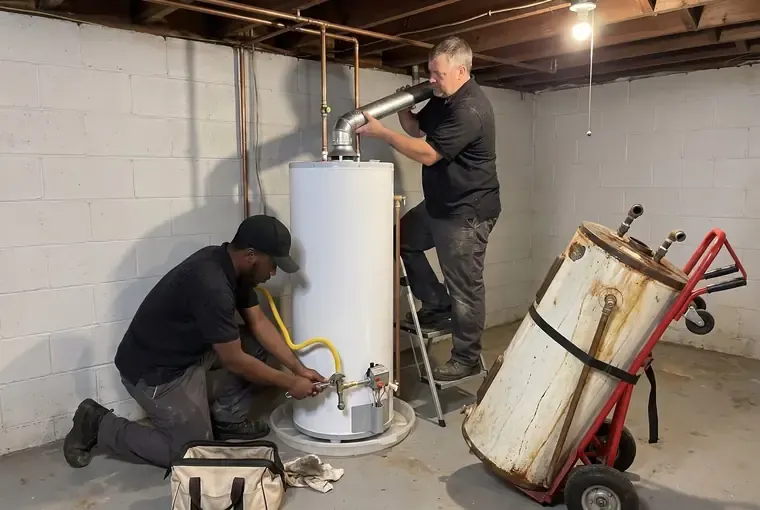
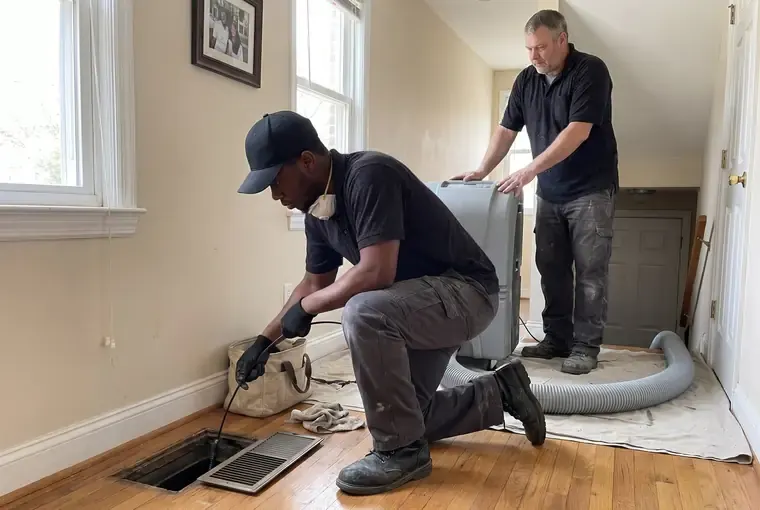
Cooling, heating, ductless systems, water heaters, boilers and radiators are all handled by the same team. A house rarely fails one system at a time, and you should not need three contractors to handle one winter.
We print our Maryland license number rather than the word licensed, because a number can be searched and a word cannot. The same goes for what we do not hold, which is why you will not find manufacturer badges on this site.
The words licensed and insured appear on nearly every heating and cooling site, usually with nothing behind them. They cover several different things, and each one protects a different part of your position if the work goes wrong. Here is what we hold and what each one is for.
The state license required to carry out heating, ventilation, air conditioning and refrigeration work in Maryland, issued by the Maryland Board of HVACR Contractors.
most equipment manufacturers require professional installation for the parts warranty to stand, and an unlicensed installation can put that at risk. The number above can be searched on the Maryland Department of Labor site before you let anyone start.
The senior grade of the Maryland license, above journeyman, and the level that carries responsibility for other people’s work rather than only for your own.
somebody has been examined on the standard your job is held to, instead of simply being employed to meet it.
The federal certification required to buy, handle or recover refrigerant.
it is what separates finding a leak from topping the system off every summer and charging you for the gas each time. Refrigerant is not a consumable in a sealed system, so a system that needs it annually has a fault that has not been found.
General liability and workers’ compensation.
if something in your home is damaged, or somebody is injured working in it, the claim does not come back to your homeowners policy. Ask any contractor for a certificate of insurance before work starts, including us.

Accreditation is assessed by the Bureau rather than by us, and the rating moves with how complaints get handled. It says nothing about technical skill, which is what the licenses above are for.
“We are new homeowners. Ray was our technician. Been having heat problems. He conducted a thorough diagnosis and identified steps we can take to improve the efficiency […]”
 Roy M.
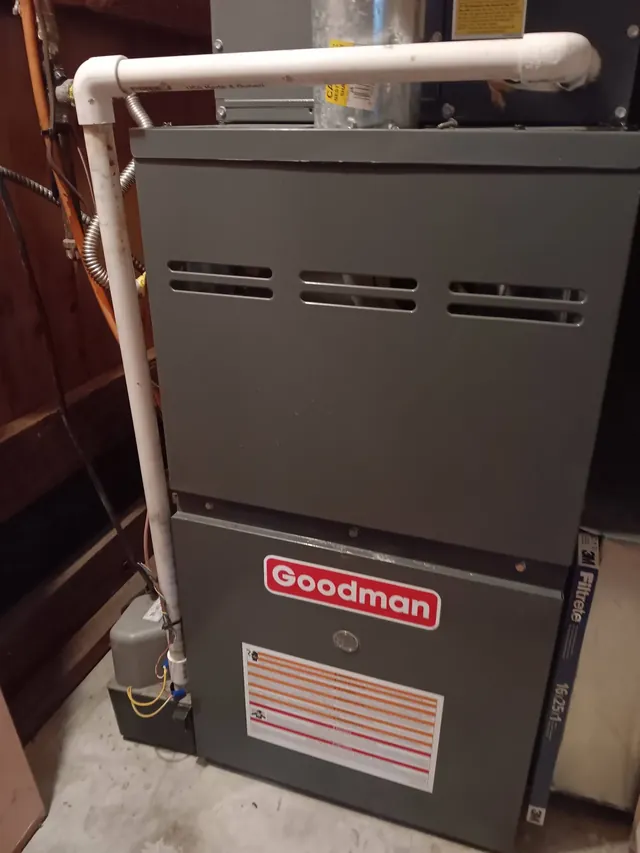
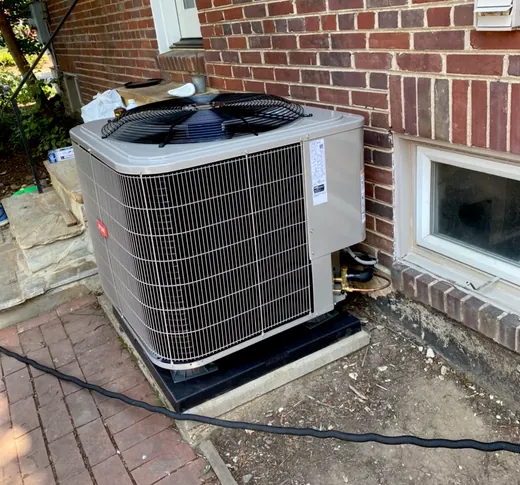
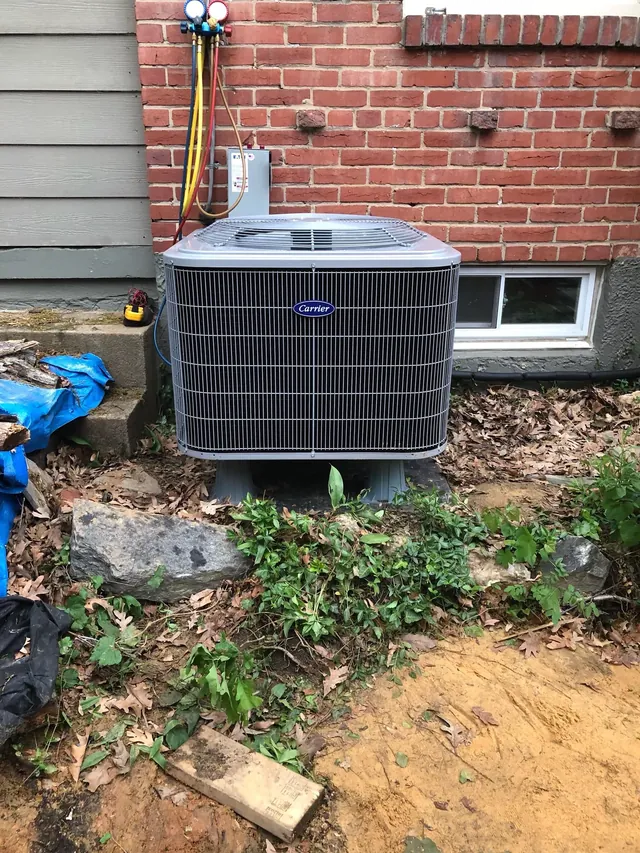
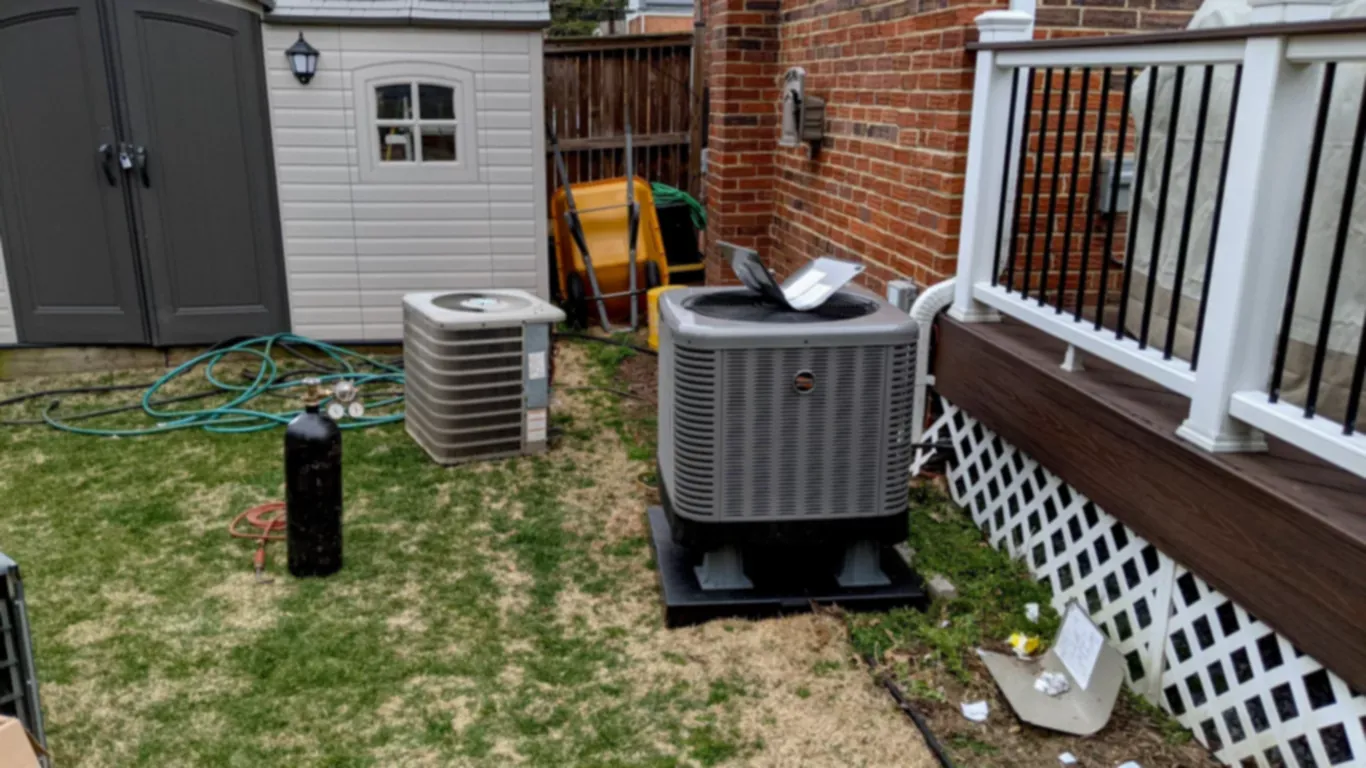
Nero’s Heating & Air runs out of Cheverly, and the technicians live across the footprint rather than all at the shop, which is what lets the coverage below stay real instead of aspirational. The counties are where we work week in and week out. Southern Maryland and Northern Virginia are genuinely served and genuinely further, so the day we can offer there depends on where a crew already is. Towns around the edge of the list come down to that week’s routing, so ask us instead of ruling yourself out.
Phone, text and the booking form all reach the same desk, so use whichever is easiest. Tell us what the system is doing and roughly how old it is, and you will get the fee that applies and the soonest day we can realistically offer, both before anything is booked.
Say that when you call. We figure out on the phone whether it genuinely needs somebody tonight, or whether first thing tomorrow gets you the identical repair without the after-hours fee. Nothing is committed until you have heard which.
Tell us whose it is and who will be there to let the technician in. A call placed for a parent’s house or a rental runs better when that is settled at the booking rather than at the door.
Three is the common recommendation. Two cannot tell you whether an outlier is unusually high or unusually low, and past four the returns fade while the decision stalls.
Usually less, because overhead is lower. Larger chains tend to carry broader guarantees, call centers and financing arms. Size predicts your invoice far less reliably than accuracy does.
Call us and say it is still doing it. A symptom that returns usually means the cause sat further upstream than whichever component was swapped out, so the second look starts wider.
Raise it with us first, then with the state licensing board if that goes nowhere. Keep dated notes, whatever paperwork you were handed, and pictures. Files without those rarely progress.
Homes are the bulk of it. Light commercial is real work here, rooftop units and air handlers included. Large mechanical contracts and new construction projects are not what we do.