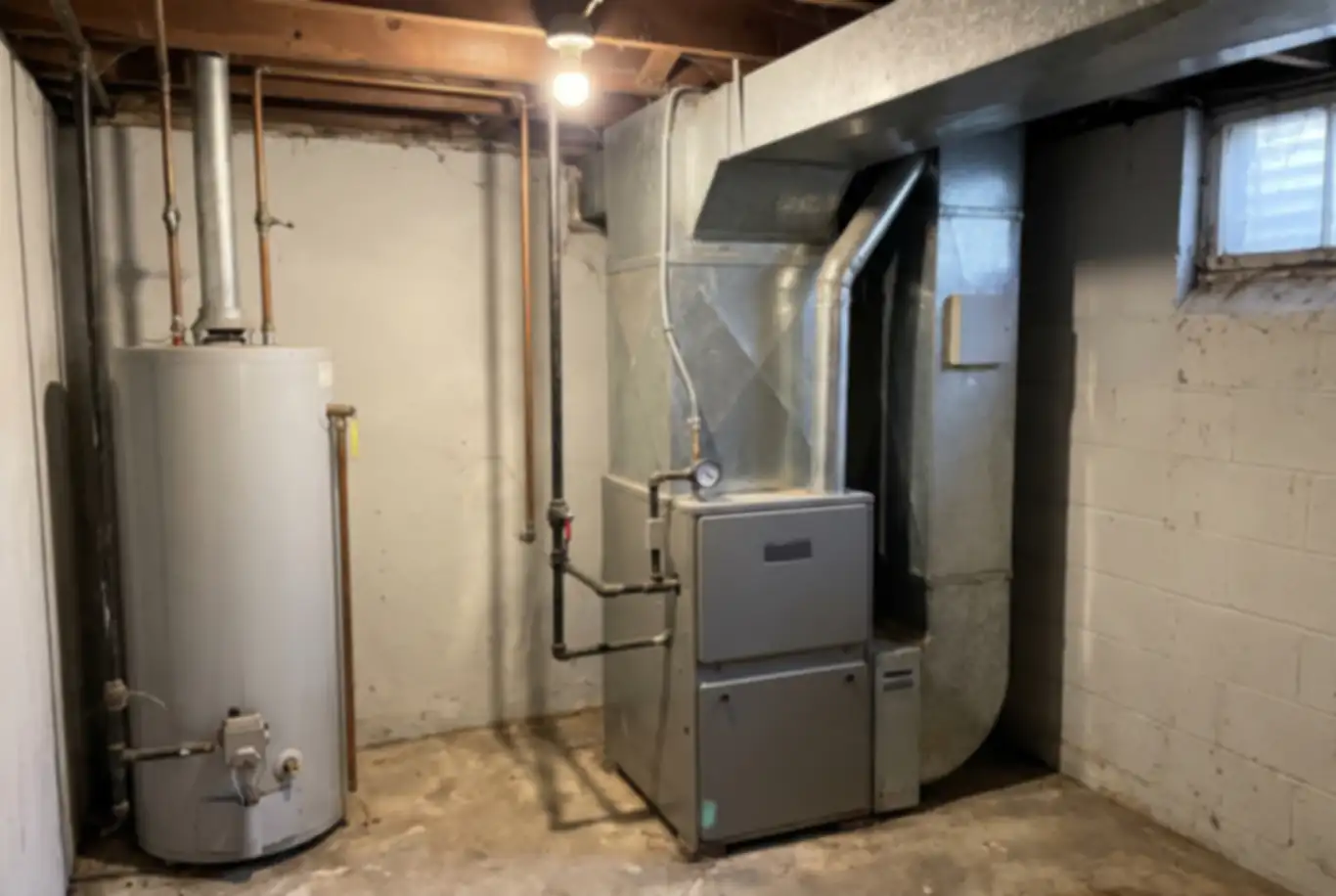



AC run times that keep stretching.
On humid afternoons a dirty coil or a refrigerant level that has dropped can leave the system running almost without a break.
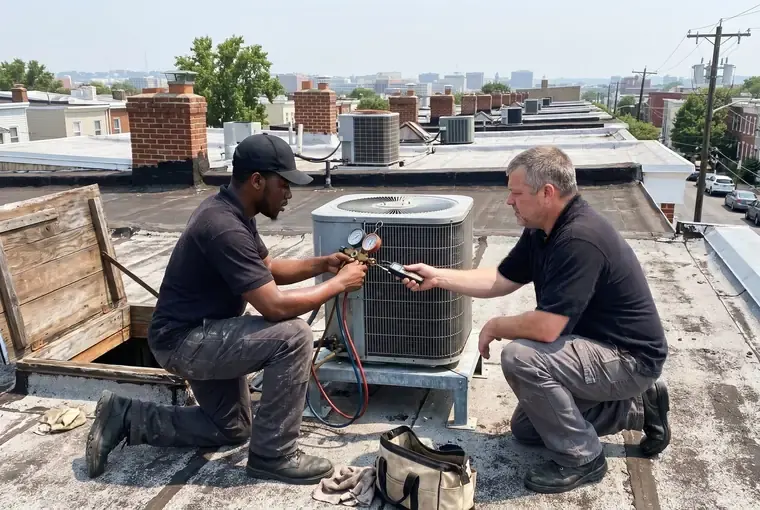

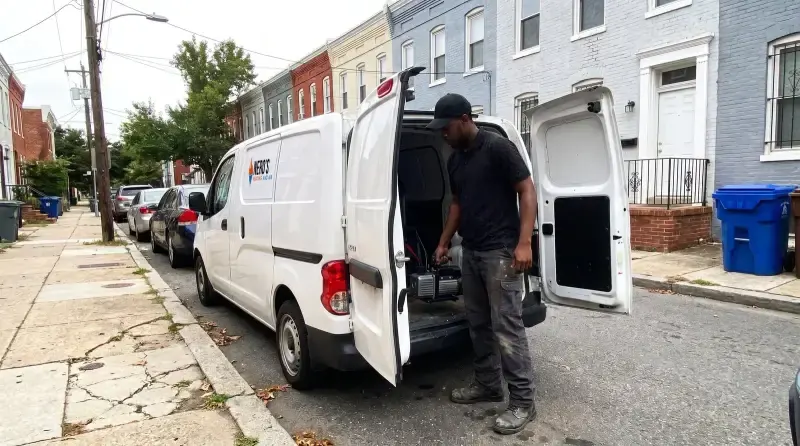
Serving Washington, DC, Prince George's County, Montgomery County & Northern Virginia, including Upper Marlboro, Hyattsville, District Heights and Silver Spring.
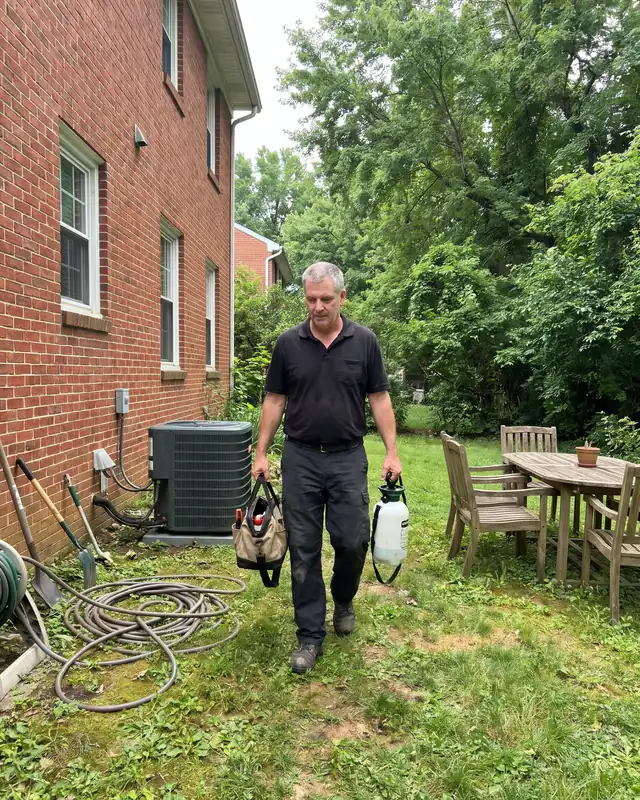
Cooling equipment here doesn't get an off-season. It runs the house through humid summers, and on a heat pump, it keeps working straight through winter too, so the hours pile up faster than the age on the label ever suggests. In Silver Spring, Hyattsville and Upper Marlboro, most of what we find on a maintenance visit has been quietly building for a season or two before anyone notices.
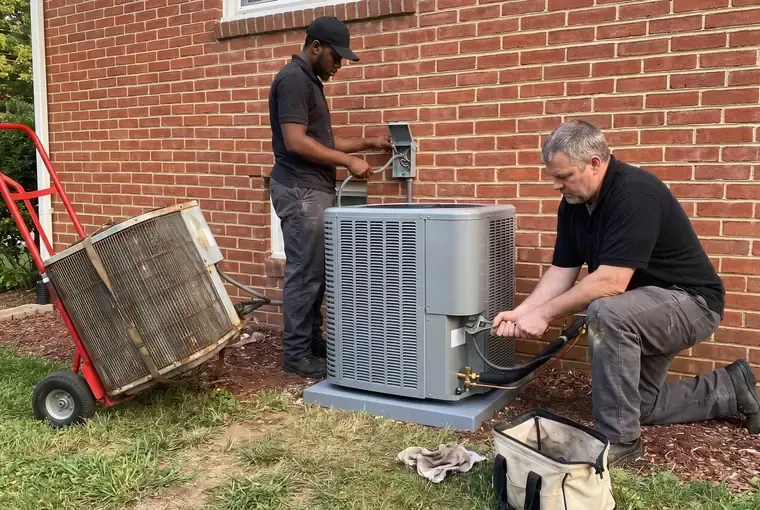
At Nero's Heating & Air, a tune-up means measurements, not a glance. Whether you're searching for AC maintenance near you, an air conditioner tune-up, or a service plan, what you get is the same: we check the electrical, the refrigerant charge, the airflow and the drain, and we write down exactly what each one reads. You end up knowing what your system is doing now, what has drifted, and whether any of it is worth spending money on yet.
| Stat | What it means for your system |
|---|---|
| 5% to 15% | The drop in AC energy use from swapping one clogged filter for a clean one. |
| 38% | Share of 4,000 tested home systems found carrying the correct refrigerant charge. |
| 20 to 30 gallons | Water a central system can pull out of the air on a humid day. |
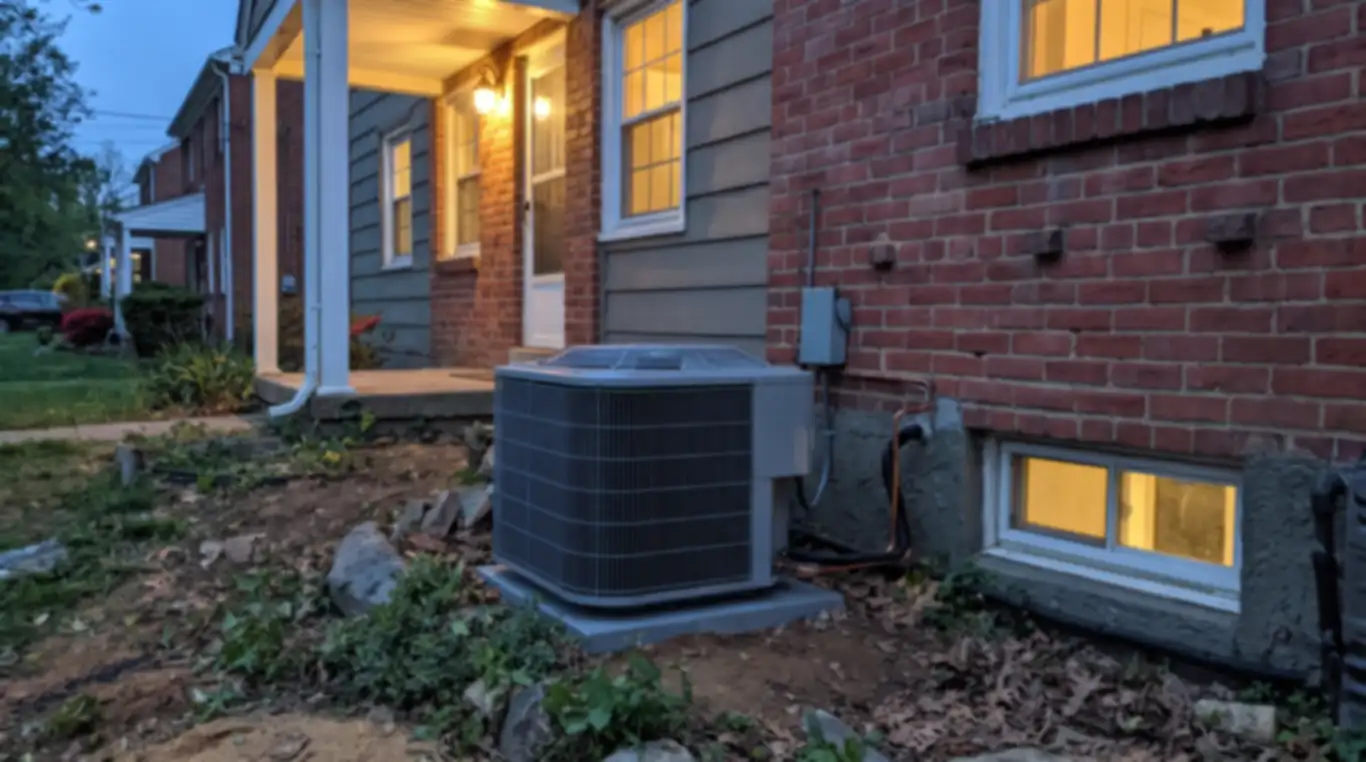
| 30% | What a dirty outdoor coil can add to the compressor's energy use. |
A system that has gone a while without a visit rarely announces it. What it does instead is run longer, move less air, and get slower at clearing the water it pulls out of the house. Those three show up in the ways below, and catching them in April is a very different conversation from catching them in July.
On humid afternoons a dirty coil or a refrigerant level that has dropped can leave the system running almost without a break.
Dust building up on the filter and blower wheel usually cuts airflow long before it touches the temperature
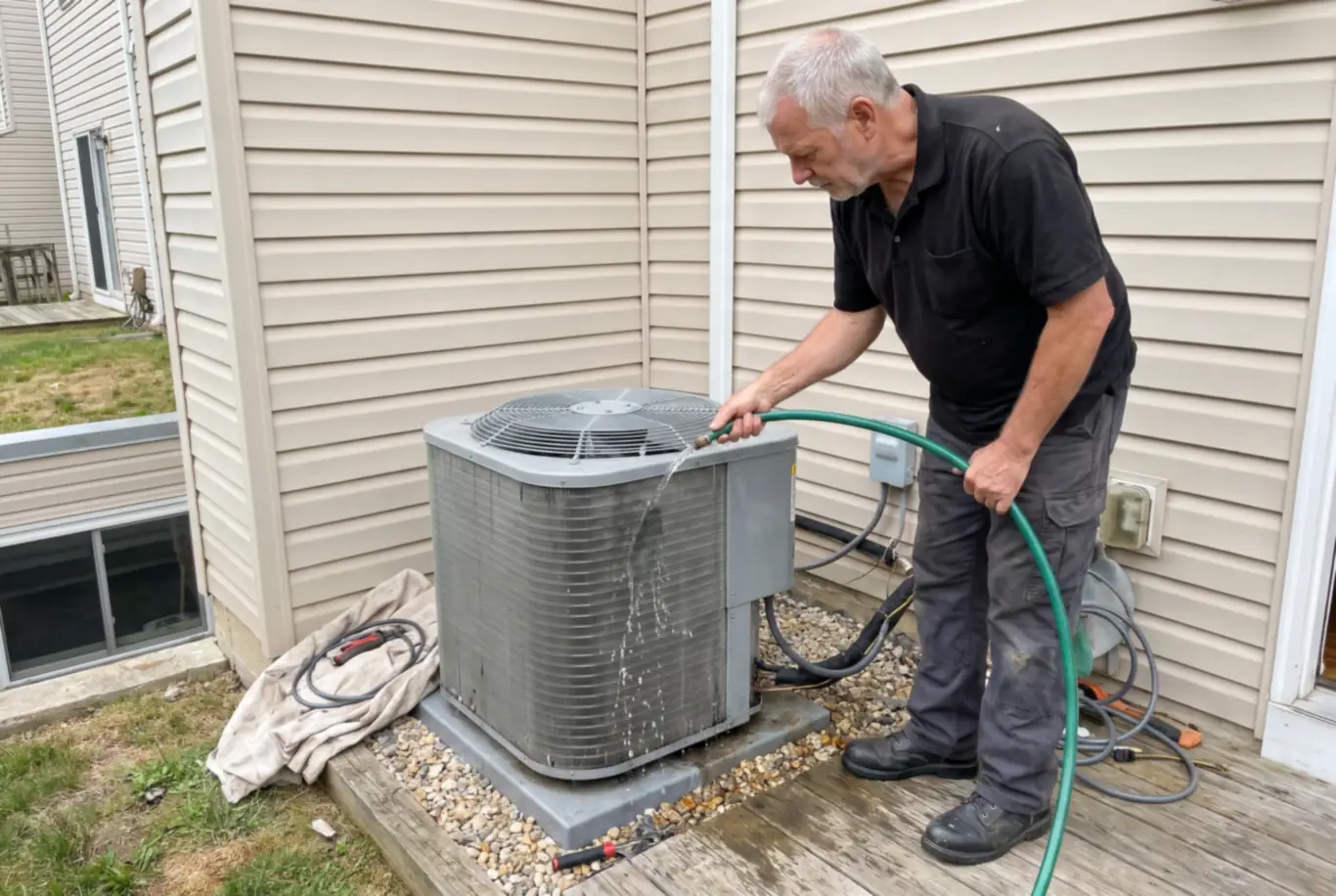
Moisture left sitting on the evaporator coil or in the drain pan can grow a film that the first rush of air carries through the house.
A drain line that has slowed rather than blocked will usually back up on the most humid days first.
A blocked return vent or a damper that has worked its way shut can leave the rest of the system working harder than it needs to.
Our maintenance agreement is $150 and covers two visits, one for cooling and one for heating. That is not the same thing as a diagnostic, which is a separate $75 visit aimed at a fault you already have. If a tune-up turns up something that needs repairing, you get the price for that work before anyone starts it.
There's one case where we would tell you to skip it. If you have already decided the system is coming out next spring, an agreement on it is money you will not get back. Book the single visit, and put the rest toward the new unit.
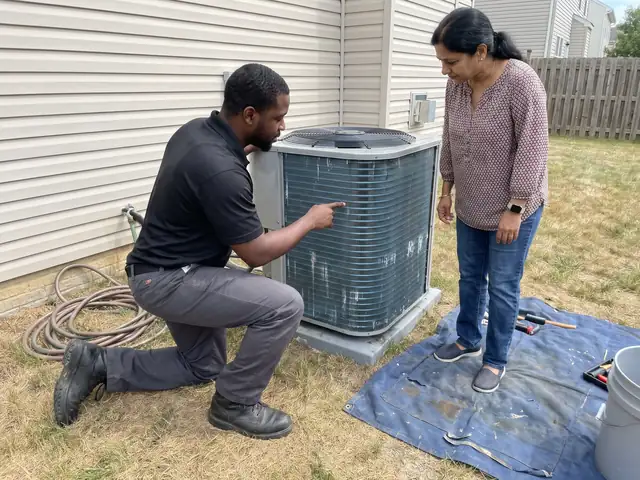
Plenty of systems run for years without a tune-up and nothing happens. What maintenance buys you is not immunity, it is timing, because the same fault costs less to find in April than it does on the first ninety-five-degree Saturday. What we will not do is add a duct cleaning to a maintenance visit because we happened to be in the basement already.
| A planned visit | Waiting for the fault | |
|---|---|---|
| When you find out | Spring, with the system off and the house comfortable | The first run of hot days, when it stops keeping up |
| What gets looked at | The whole system, including the parts that are still working | Whatever failed, and whatever the failure took with it |
| What you pay for | A fixed visit, booked for a week that suits you | A diagnostic, then the repair, at whatever the day carries |
| What it does for humidity | Airflow and drainage checked before the wet months arrive | Moisture problems usually surface as a smell or a stain first |
| Where it changes nothing | A system in its last season still ends up needing replacing | A capacitor on a young system is often just a part, and a spring visit would not have saved you the bill |
What a Nero's Heating & Air Maintenance Visit Covers
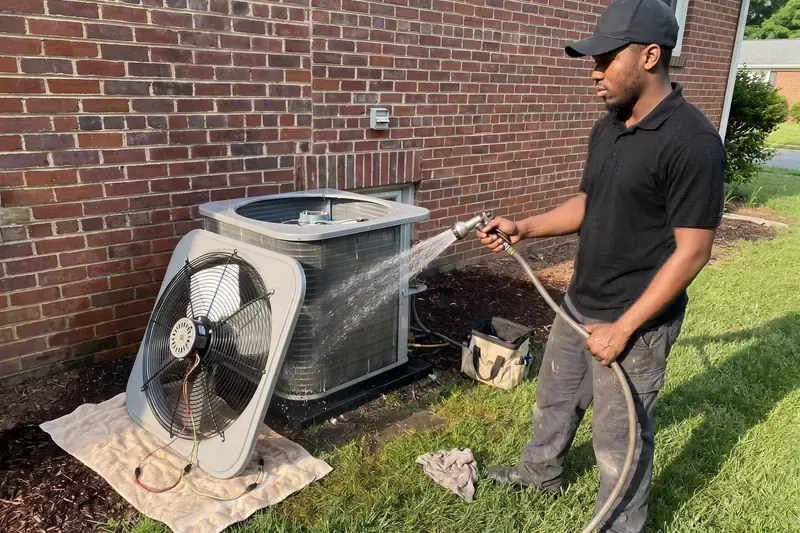
Every cooling visit covers eleven checks, and every heating visit covers ten, from the refrigerant charge and temperature split to the safety controls and condensate pan. You can read the list before you book and hold the visit to it afterward.
Nero's Heating & Air is licensed in Maryland under HVAC R 47671, and the point of the license is that the readings are taken properly, not that something has to be sold off the back of them. If your system measures well, that is the result.
We book your second visit around the change of season, so the heating side is checked before you need it, not in the first cold week. You get the same written technician notes from that visit as from the first.
Roughly when the system was serviced, what it has done since, and anything the house does badly in summer. That decides how long we allow for the visit.
The charge, the temperature split, the airflow, the electrical connections and the drain. Readings first, because a system cleaned before it is measured cannot be compared to the next visit.
Each check, what it read, and which ones are drifting. If something needs work, it is priced separately and nothing starts until you say so.
The unit runs a full cycle before we go, and the other season's visit is booked while we are still standing there.
Maintenance work spreads across the whole region rather than sitting near the shop, and it is the one visit that gets scheduled rather than squeezed in, so we can reach further with it than we can on a same-day call. If your town is not below, call and ask rather than assume we are out of range.
Tell us roughly when the system was last serviced and whether anything has been repaired since. Where a unit has been added or swapped out, mention that too. Those answers decide how much time we allow, and what we expect the readings to look like when we get there.
We will change the filter on the visit if you have one there. Check the size printed on the edge of the old one before we arrive, and a spare in the cabinet means the visit ends with a clean one in.
A first visit on a neglected system is closer to a catch-up than a tune-up. Expect it to run long, and expect to be told what has already worn rather than what merely needs adjusting.
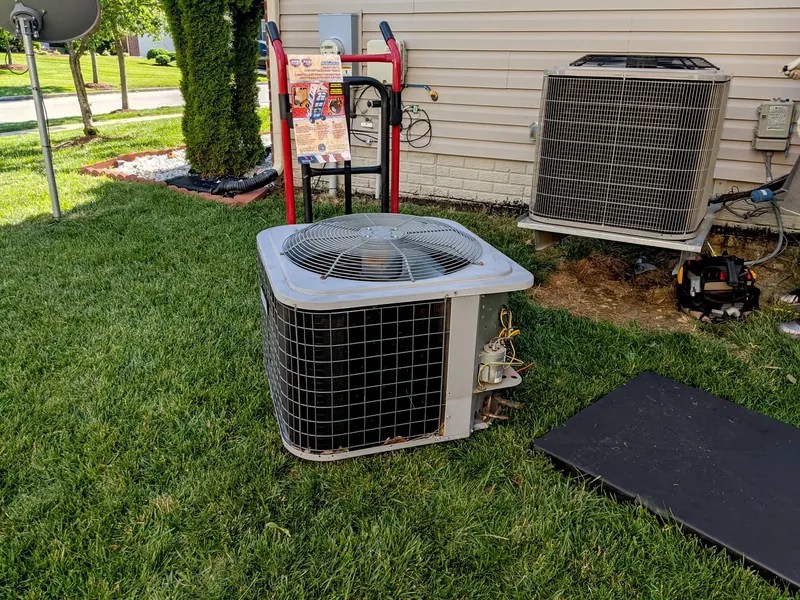
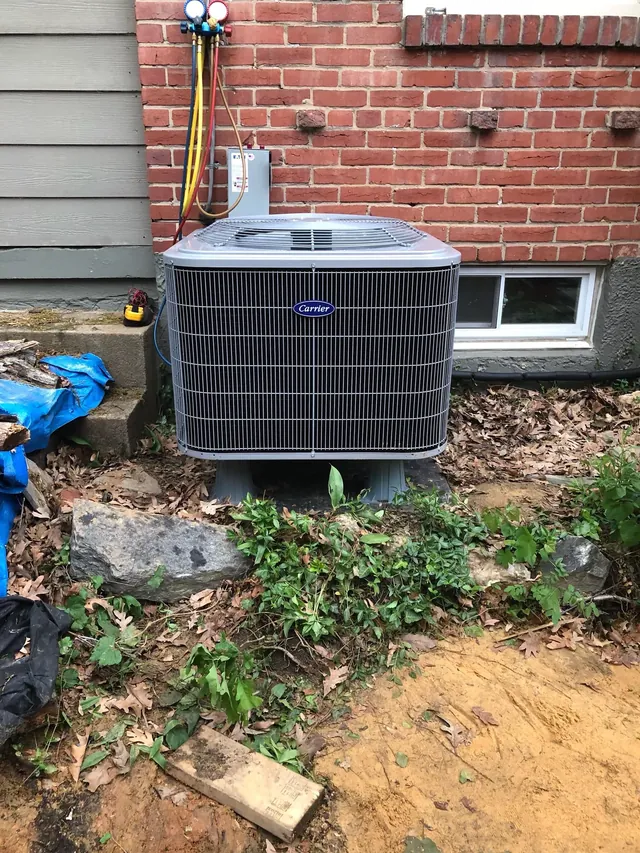
“[He] explained us why one of the older systems was not communicating well with our Nest thermostat and why instead of repairing and wasting our money we should consider a newer more efficient communicating system.”
 Rohit S.
Yes. Check the filter monthly, keep the area around the outdoor unit clear, and trim foliage back at least two feet. Everything involving refrigerant or electrical work needs a technician.
Most take forty-five minutes to two hours. Gauges need time on the ports before the pressures settle and can be read properly, which is the part that cannot be rushed.
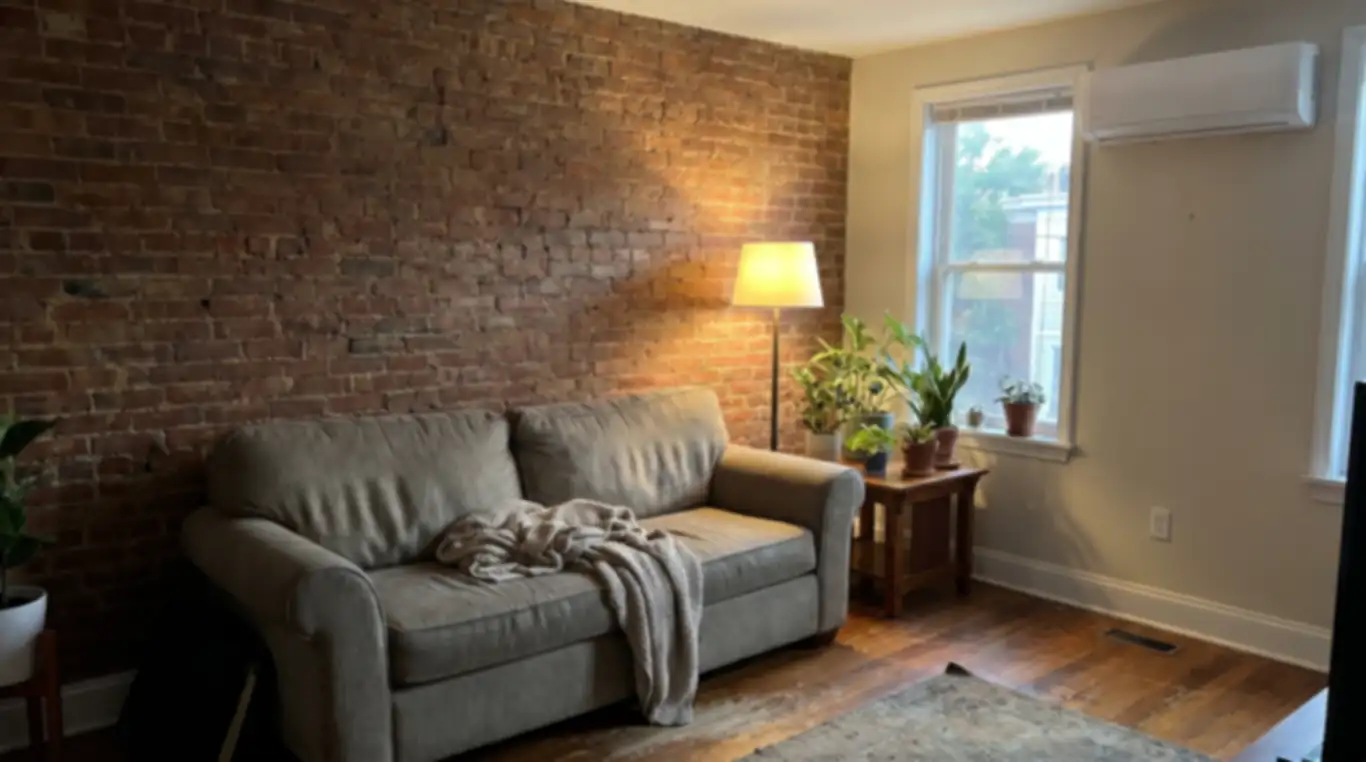
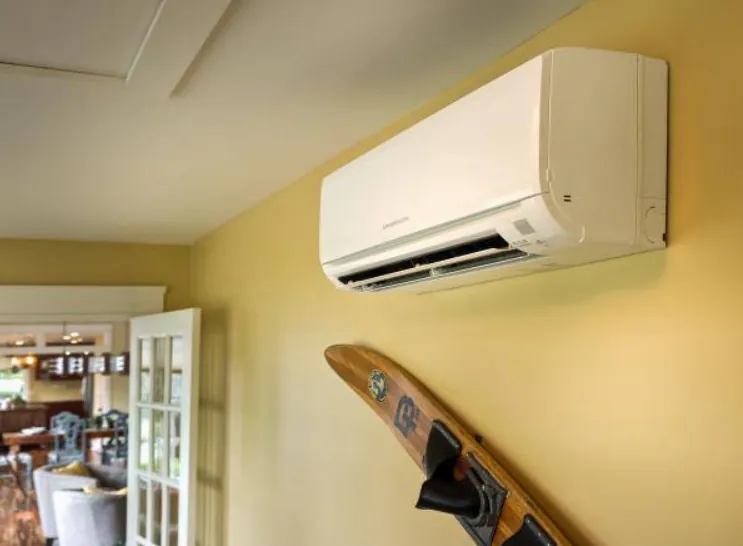
No. Mini split filters are washable and need cleaning every four to six weeks, and the indoor blower wheel needs pulling and cleaning yearly because growth builds on it.
The Department of Energy says at least annually. A heat pump both heats and cools, though, so it gathers hours in both seasons and is commonly checked before each one.
It matters more. Manufacturer parts warranties generally exclude failures caused by neglect, so a claim can be refused where no record of professional servicing exists. Keep the invoices with the equipment paperwork.