


Rooftop Packaged Units
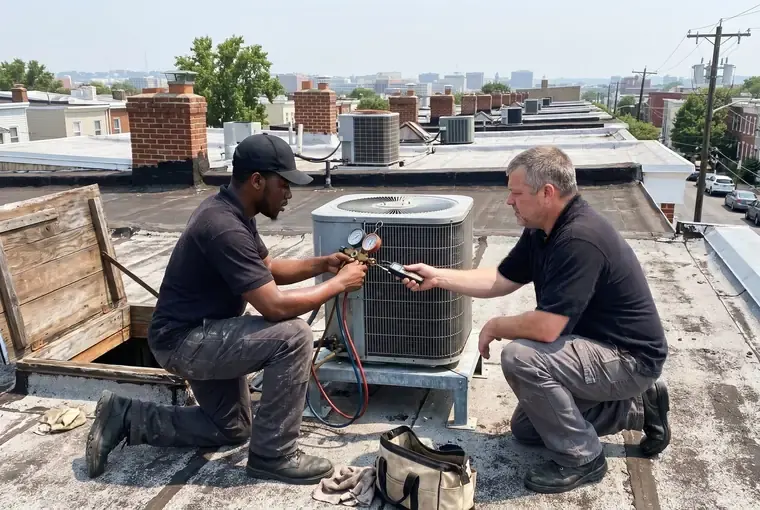
We service and repair packaged rooftop units that combine heating and cooling in a single cabinet. These systems are common on smaller commercial buildings and often require extra time simply because of roof access.

Serving Washington, DC, Prince George's County, Montgomery County & Northern Virginia, including Upper Marlboro, Hyattsville, District Heights and Silver Spring.
Nero's Heating & Air provides light commercial HVAC service for offices, shops and other smaller commercial spaces across DC and Maryland. We work on the same types of heating and cooling equipment we see every day in residential systems, along with rooftop packaged units, air handlers and split systems commonly used in light commercial buildings.
Our focus is straightforward: repair problems, keep equipment operating and help building owners understand what the system needs next. If your property needs routine service, troubleshooting or repair on a smaller commercial HVAC setup, our team can help without turning the job into something more complicated than it needs to be.
| Stat | What it means for your unit |
|---|---|
| Same components | A rooftop unit is familiar equipment in a much less convenient place. |
| $169 | The fee for rooftop, Sunday and after-hours visits, and it is not waived back. |
| 1 package unit | Heating and cooling in one cabinet, so one fault can take out both. |
| 2 access points | A roof hatch or a ladder, and which one you have changes the visit. |
Smaller commercial properties often use HVAC equipment that is familiar, accessible and serviceable without the complexity of a large facilities setup. Our light commercial work covers offices, shops, studios and similar spaces that need dependable heating and cooling service.
We service and repair packaged rooftop units that combine heating and cooling in a single cabinet. These systems are common on smaller commercial buildings and often require extra time simply because of roof access.
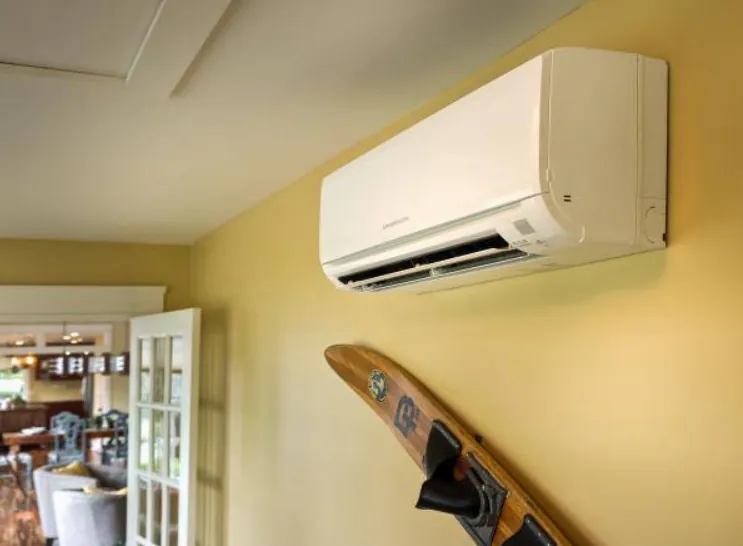
Smaller commercial spaces often use air handlers and split systems that operate much like residential HVAC equipment. We troubleshoot heating and cooling problems, replace failed components and help keep those systems operating properly.
If the system is not heating, cooling or running the way it should, we trace the fault and explain what needs attention. The goal is to restore operation without turning a straightforward repair into a larger project than necessary.
Regular maintenance helps catch worn parts, airflow problems and other issues before they become an interruption to the business. We service light commercial equipment that benefits from the same routine care as residential systems, with the added access and operating demands of a commercial property.
Our commercial work is centered on service, repair and maintenance for individual properties and smaller systems. Large multi-site service agreements, engineered HVAC design and portfolio-wide facilities contracts fall outside that scope.
A standard diagnostic visit is $75, and that amount is waived on the repair when you move forward with the work. Rooftop, Sunday and after-hours visits are $169, and that fee is not waived.
The rooftop rate accounts for the additional access involved in reaching and working on equipment above the building. We confirm which visit fee applies before dispatch, so you know the starting cost before a technician heads to the property.
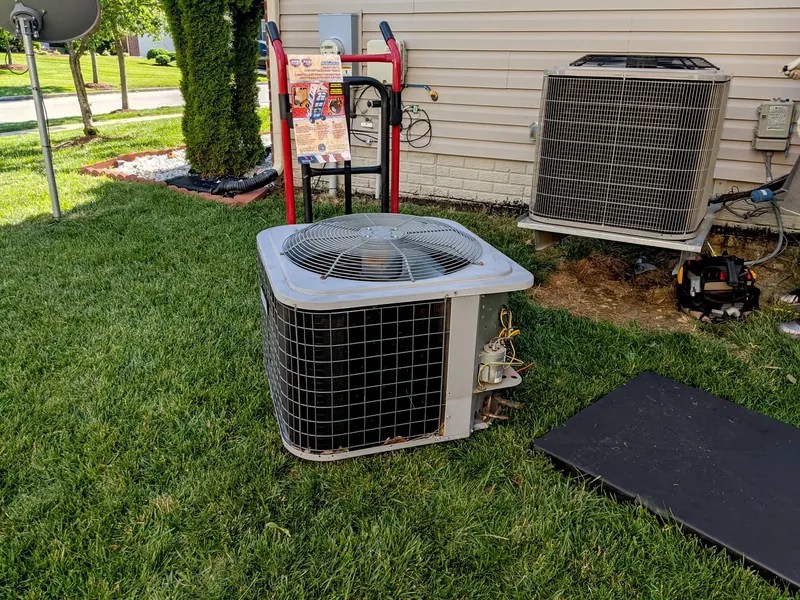
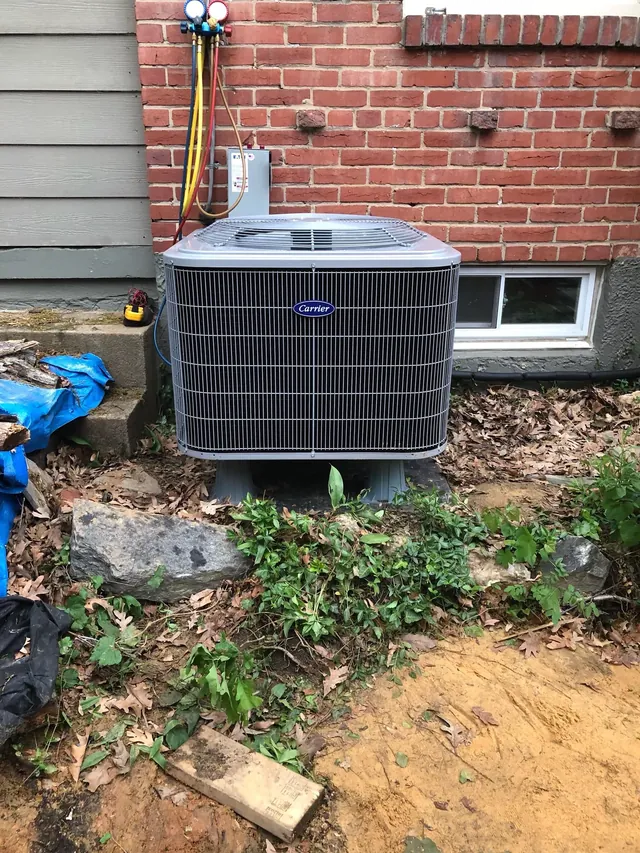
We are primarily a residential HVAC company, but many smaller commercial properties use familiar equipment: split systems, air handlers, and packaged rooftop units. That gives us a practical lane for offices, shops, studios and other smaller spaces that need repair or routine maintenance.
Our focus is on the equipment already serving the building. We troubleshoot failures, maintain systems and repair the components causing heating or cooling problems. Large engineered systems and portfolio-wide facilities contracts sit outside that lane.
| If this is happening at your property | What the visit focuses on | Typical service path |
|---|---|---|
| The system will not heat or cool | Controls, electrical components, airflow and the heating or cooling cycle | Diagnose the fault and price the repair |
| A rooftop unit has stopped working | Packaged-unit operation plus safe equipment access | Rooftop diagnostic and repair |
| The system runs but the space stays uncomfortable | Airflow, temperature performance and equipment operation | Troubleshooting before parts are recommended |
| You want routine upkeep | General system condition and maintenance needs | Schedule recurring maintenance visits |
| Several major commercial systems need managed coverage | Broader facilities and contractual requirements | A dedicated commercial facilities provider may be a better fit |
We Make Sure the Job Fits Before the Technician Arrives
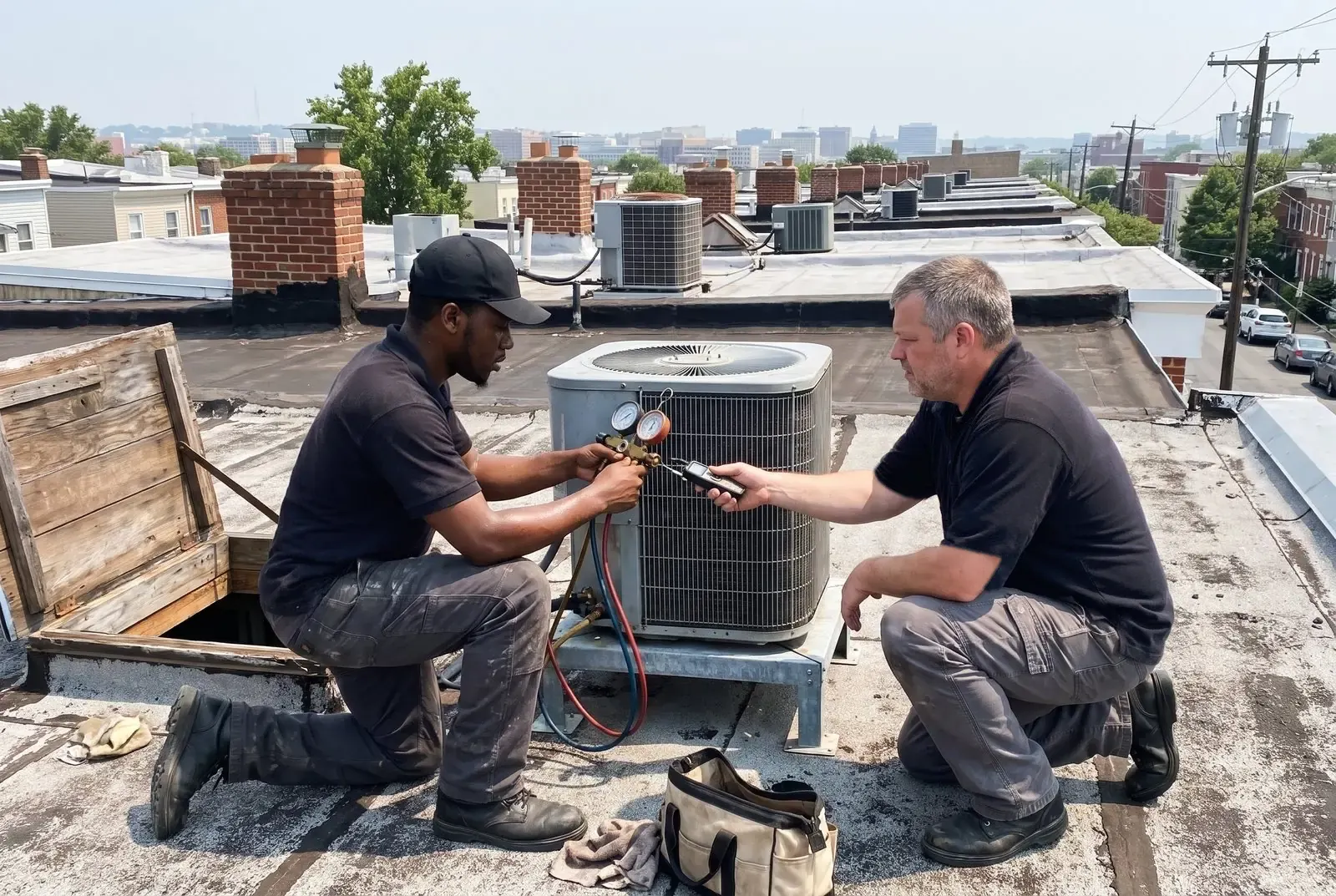
Our commercial work centers on rooftop packaged units, air handlers and split systems in smaller offices, shops and other business spaces. Tell us what is serving the property, and we can make sure the call falls within the kind of equipment our team works on.
A rooftop unit behind a locked hatch is a different service call from an air handler in an accessible mechanical room. Knowing where the equipment sits and how it is reached helps us arrive prepared instead of spending the first part of the visit figuring out how to get to it.
Commercial HVAC problems matter because people are trying to work inside the building. Repairs carry a 30-day labor warranty, and we follow up around six months later to see how the system is running and whether anything else has come up.
Before the visit, tell us whether you have a rooftop package, split system, air handler or something else you recognize. If the equipment is on the roof, we also ask how that area is accessed so the technician can arrive prepared.
We let you know whether the standard diagnostic or the rooftop, Sunday or after-hours rate applies before dispatch.
The technician checks the system based on the complaint you reported, whether that is no cooling, no heat, poor airflow, unusual operation or a unit that will not start.
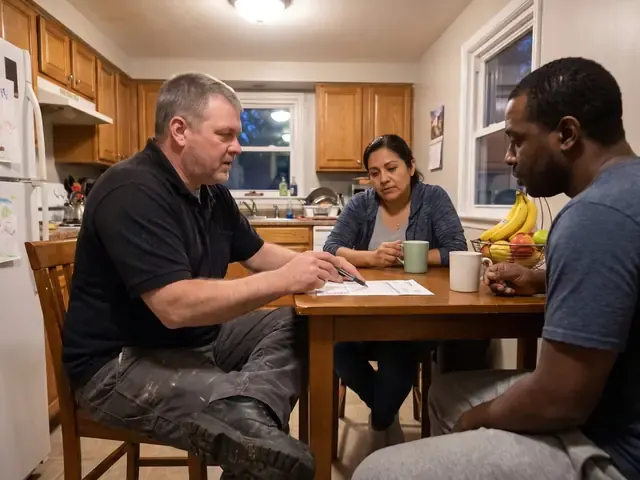
Once the fault has been identified, we explain what needs attention and what the repair will cost. Work moves forward after you have had a chance to review the recommendation.
Our technicians take light commercial HVAC calls throughout the same DC and Maryland communities we serve every day. The locations below represent common service areas rather than a hard boundary. If your property is not listed, call and ask whether we can come to your site.
You do not need to know the technical diagnosis before calling. Tell us what kind of property you manage, what the heating or cooling system is doing and whether the equipment is indoors, at ground level or on the roof. That gives us enough information to start matching the call to the right visit.
Let us know how the roof is accessed and whether someone will be available to provide entry when the technician arrives. That helps avoid losing time at the site before the equipment can even be reached.
Mention that when you contact us. We can discuss scheduled maintenance for light commercial HVAC equipment as well as one-time repair calls.
“[He] explained us why one of the older systems was not communicating well with our Nest thermostat and why instead of repairing and wasting our money we should consider a newer more efficient communicating system.”
 Rohit S.
Commonly fifteen to twenty years. A rooftop lives outdoors in full weather for its entire life, so exposure tends to decide the end of it more than running hours do.
Everything sits outside, including the parts a split system keeps indoors and dry. Sun, rain and roof heat all reach the blower, the control board and the heat exchanger alike.
More, and mostly because it runs far longer rather than because it is less efficient. Operating hours, not equipment design, are what put the figure where it lands.
Usually, yes. Longer running hours and constant weather exposure both push the interval shorter, and a failure during business hours costs a good deal more than one at home.
Often not safely. Ice, standing water or high wind on a roof all stop the work, which is one reason a failed rooftop sometimes has to wait for conditions to improve.