



You Can See Mold Inside the Ductwork
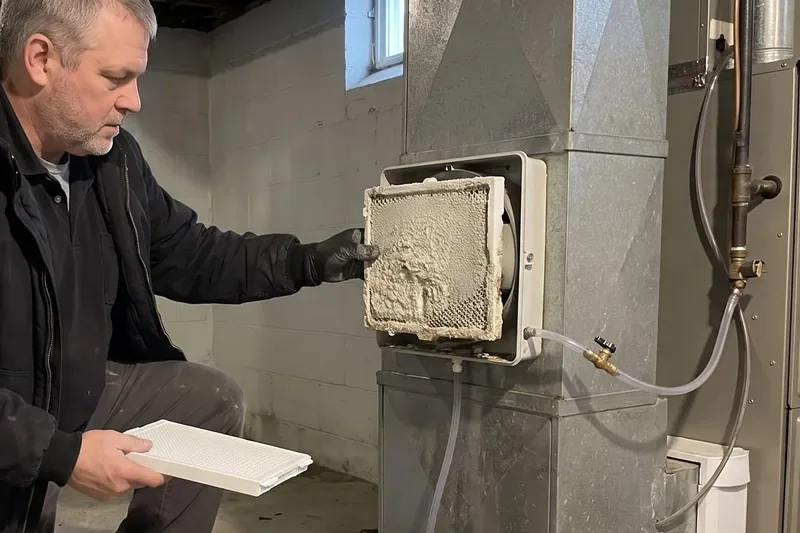
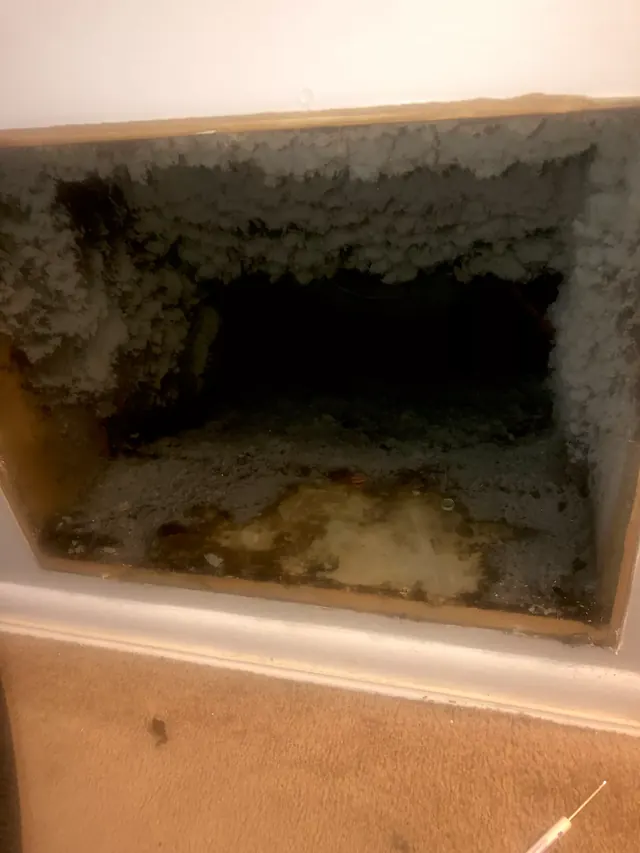
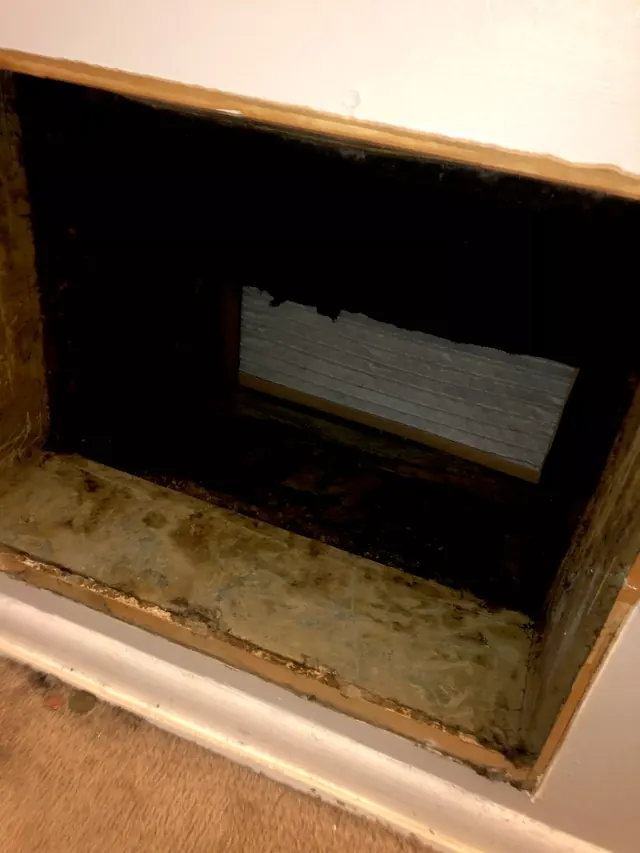
Visible growth on the inside of hard duct surfaces is different from simply noticing a musty smell. If mold is actually present, the source needs to be addressed along with the contaminated ductwork.

Serving Washington, DC, Prince George's County, Montgomery County & Northern Virginia, including Upper Marlboro, Hyattsville, District Heights and Silver Spring.
Duct cleaning is not something every home needs on a schedule. The EPA does not recommend routine cleaning simply because the ductwork is old or dusty. What matters is whether there is a specific problem inside the system that cleaning can actually solve.
Nero's Heating & Air looks for that reason first. If there is visible mold, pest contamination, or debris entering the rooms, cleaning may make sense. If none of those are present, we will tell you that too. The goal is to recommend duct cleaning only when it will actually make a difference in the home, not simply because the ducts have never been cleaned before.
| Stat | What it means for your ducts |
|---|---|
| 3 conditions | The EPA names three reasons to clean: visible mold, pests, or debris reaching rooms. |
| 20 to 30% | Conditioned air that can escape unsealed ducts before it ever reaches a room. |
| 1 cause | Correct the moisture or mold returns, whatever the ducts were cleaned with. |
| 60% | Indoor humidity above which mold becomes likely in ductwork and everywhere else. |
Duct cleaning makes the most sense when there is a clear reason for it. A little dust inside older ductwork is normal. What matters is whether there is visible contamination, pests, or debris actually making its way into the air moving through your home.
Visible growth on the inside of hard duct surfaces is different from simply noticing a musty smell. If mold is actually present, the source needs to be addressed along with the contaminated ductwork.
Growth around coils, drain areas or other parts of the air-handling system can spread into the ductwork if the moisture problem behind it continues. The moisture source matters just as much as the cleaning itself.
Droppings, nesting material or other signs of pests inside the duct system are a clear reason to have it inspected and cleaned once the infestation itself has been dealt with.
Dust sitting inside a duct is one thing. Debris visibly blowing into the room when the system starts is different and can point to buildup that needs attention.
If visible debris or contamination comes back shortly after cleaning around the registers, the problem may be deeper in the duct system rather than only on the surface.
Duct cleaning is quoted per system rather than per vent, because a house with one air handler and twelve registers is still one system. You get the full figure before anything is booked.
Our diagnostic is $75 and is waived on the work if a visit is needed. In many cases, a quick phone conversation about what you are seeing is enough for us to tell whether duct cleaning is the right next step.

If your complaint is dust, cleaning may help briefly. If your complaint is uneven rooms or a bill that will not come down, sealing is the work that matters and cleaning will not touch it. We would rather point you at the right one than take the booking that was easier to sell.
| Cleaning | Sealing | |
|---|---|---|
| What it addresses | Material already inside the ducts | Conditioned air escaping before it arrives |
| When it is the right call | Visible mold, pests, or debris coming out of registers | Rooms that never keep up, or operating costs that stay stubbornly high |
| What it changes | What is in the duct today, until the cause returns | How much of what you paid to heat or cool actually reaches you |
| How long it lasts | Until whatever caused it happens again | Years, since sealed joints stay sealed |
| Where it goes wrong | Cleaning ducts that were never the problem | Sealing a system that genuinely does have something living in it |
What Nero's Heating & Air Checks Before the Work Starts
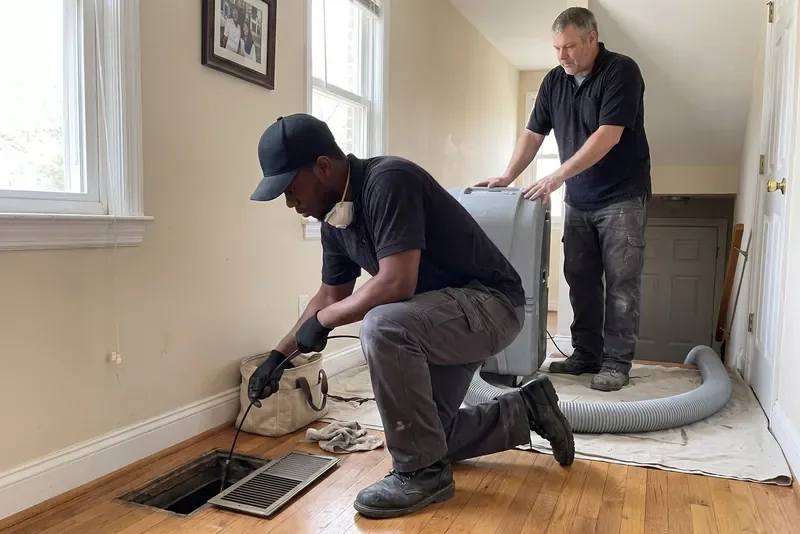
Dust, debris, moisture and pest contamination do not all call for the same response. We look at what is actually going on in the system first so the cleaning is focused on the issue you are trying to solve.
Cleaning the ducts is only part of the job if something else is feeding the problem. Moisture, damaged ductwork or contamination near the air handler can all bring the same issue back, so we look for anything around the system that may need attention too.
Before anything is booked, we explain what we expect the cleaning to address and what it will not change. That gives you a clearer idea of what the service is for and what kind of result to expect afterward.
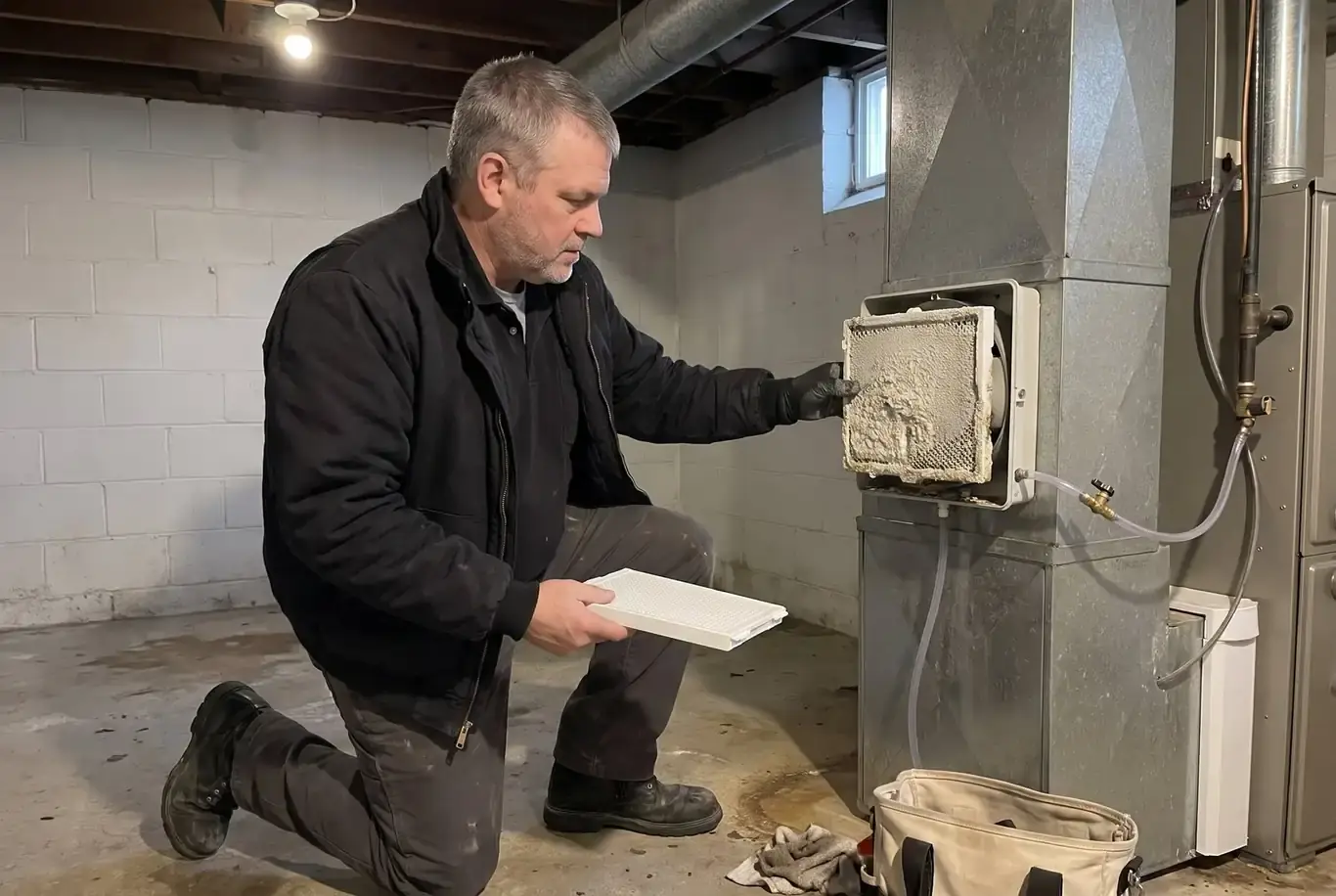
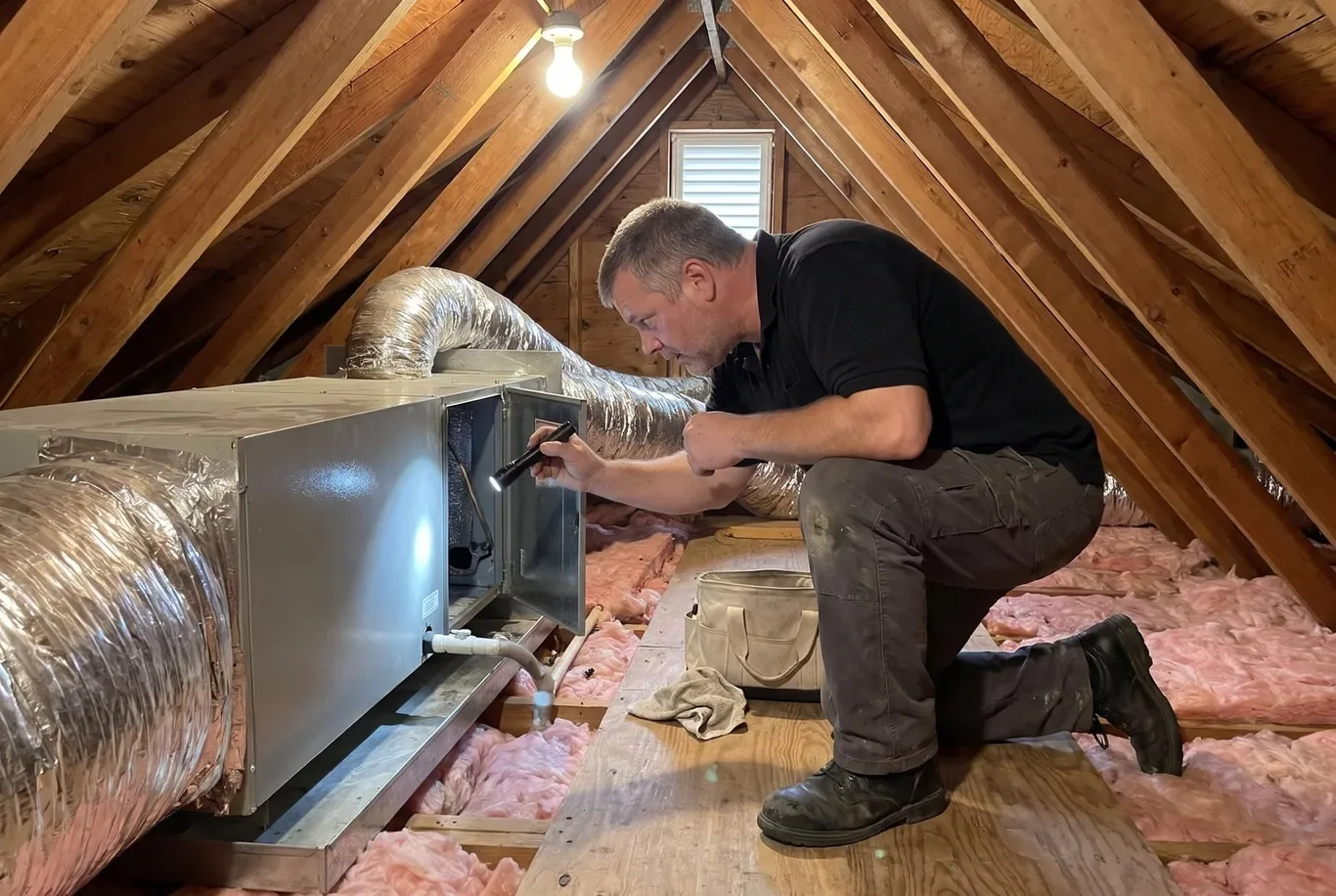
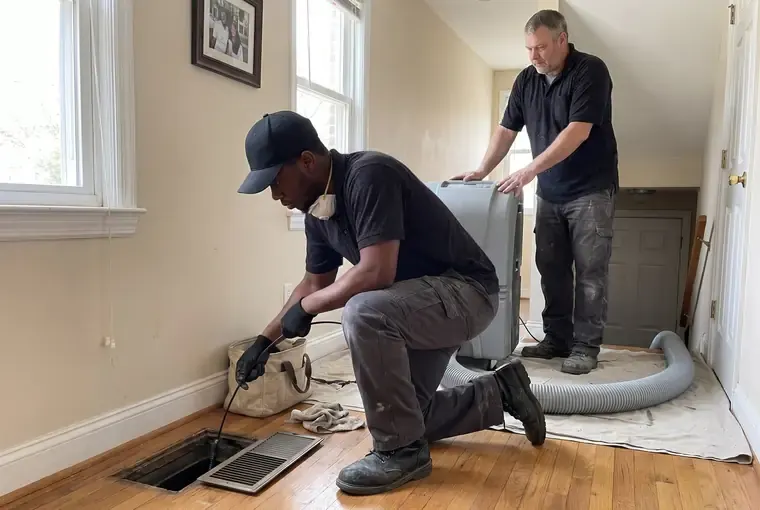
We start with the supply ducts, return side, and accessible HVAC equipment, so we know where the buildup is and how far it extends. That gives us a clear picture of what needs to be cleaned before the work begins.
Heavy dust, moisture and pest debris can all end up inside ductwork for different reasons. If something around the system is contributing to the buildup, we point it out so the same problem is less likely to come back after cleaning.
The visible vents are only the beginning. The service works through the duct system rather than stopping at the openings you can see from the room.
Once the cleaning is complete, we explain what came out, anything else we noticed and whether another part of the HVAC system needs attention. You leave knowing what was cleaned and what to keep an eye on afterward.
Our duct-cleaning calls take us throughout DC, Maryland and Northern Virginia, from older homes with long-standing systems to houses that have recently been renovated. The areas below are some of the places we serve most often, but they are not a hard boundary. If you do not see your town listed, give us a call and ask.
Maybe you are seeing dust from the vents, noticing an odor, dealing with debris after renovation work or simply cannot remember the last time the system was looked at. You do not need to know the cause before calling. Tell us what you have noticed and we will take it from there.
Mention it when you call or book. Those details give us useful context about what may have entered the duct system and where we should start looking.
If you can safely photograph what you are seeing around a register or accessible duct, it can be helpful. If not, no problem. We can inspect the system during the visit.
“[…] They actually took the time to look at my entire existing HVAC setup and figure out why I wasn’t getting the airflow I should have been getting. They found several issues, corrected them, opened up the system, improved the ductwork, made my returns larger, and massively improved the airflow in my home. […]”
 Kwame East
There is no schedule worth following. It is driven by what has happened to the house rather than by time, which is why a calendar answer comes from whoever is selling.
The evidence is limited and the EPA says so plainly. Controlling humidity and dealing with the source of the dust tend to do more than cleaning the ducts does.
Only the first foot or so behind each register, which is the part you can reach. That is worth doing occasionally and it is not the same as a system clean.
Yes, and more urgently in most houses. A blocked dryer vent is a genuine fire risk, which is a different and more serious issue than dusty supply ducts.
Sometimes briefly, though a smell usually comes from moisture rather than dust. If it returns within weeks, the cleaning treated a symptom and the moisture is still there.