



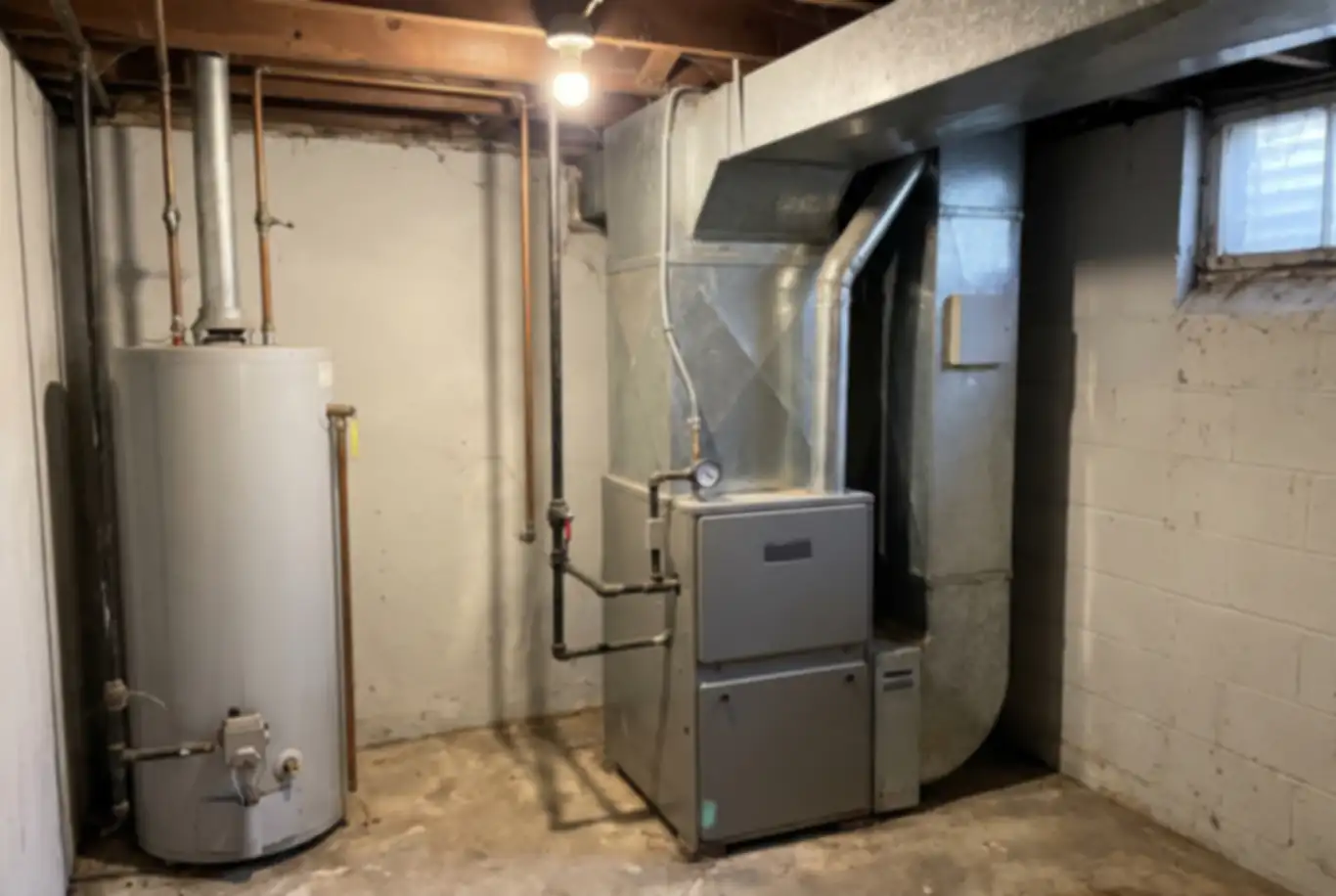
You Smell Gas Near the Furnace
Do not troubleshoot the furnace or touch switches. Leave the house and call 911 and the gas utility from a safe location. A suspected gas leak must be resolved before an HVAC repair begins.
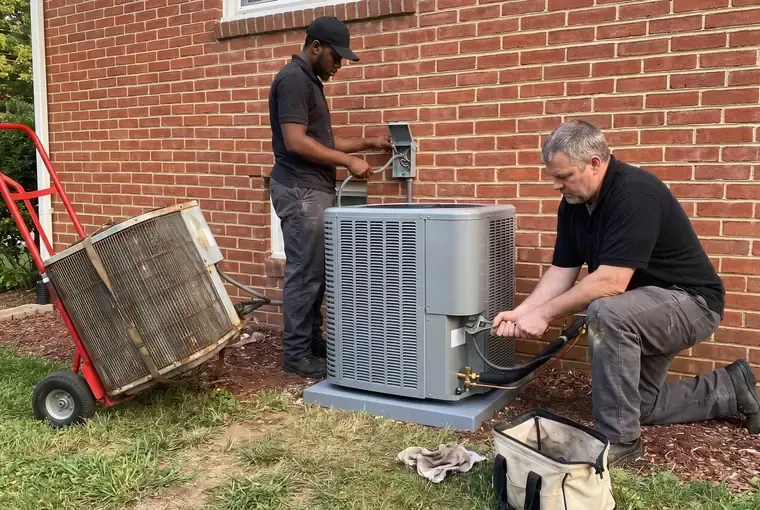
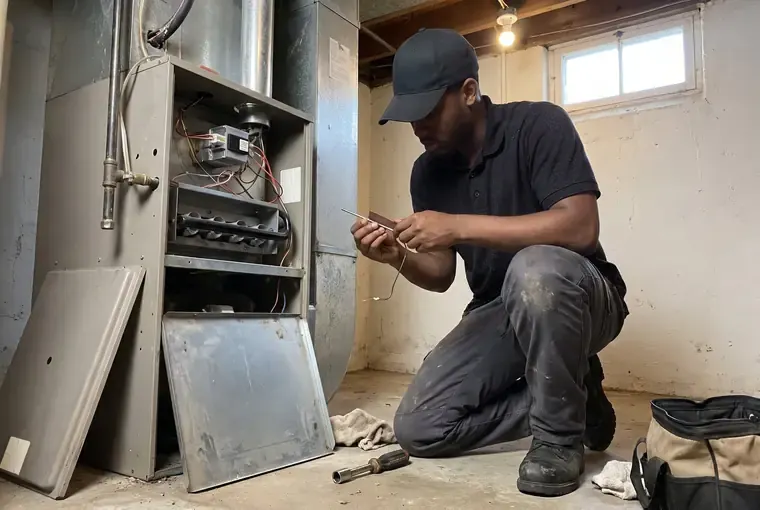
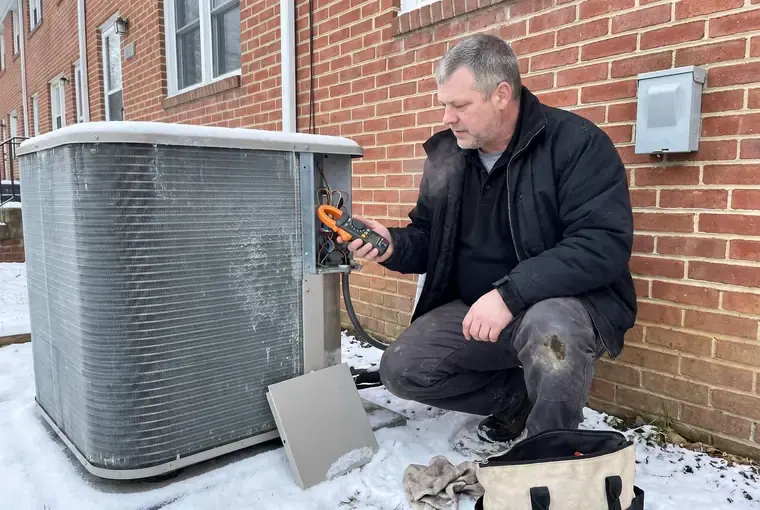

Serving Washington, DC, Prince George's County, Montgomery County & Northern Virginia, including Upper Marlboro, Hyattsville, District Heights and Silver Spring.
A furnace stopping on a February night is alarming, but it does not always mean someone needs to come out immediately. What matters is if anything in the house has become unsafe, or if someone there cannot safely tolerate the cold.
At Nero's Heating & Air, we help you figure that out without rushing you or making the situation feel worse than it is. Tell us what the system is doing and what you have already tried, and we will explain what can stay on, what should be shut off, and if an after-hours visit is truly needed. If it needs attention tonight, we will say so. If waiting until morning is safe, we will tell you that too, instead of selling you a visit you do not need.
| Stat | What it means tonight |
|---|---|
| 3 attempts | How many failed lights most control boards allow before they stop trying on purpose. |
| 30 seconds | How long the power stays off to clear a soft lockout, where clearing it is safe at all. |
| 1,500 watts | What a plug-in space heater draws, which is why two on one circuit trips the breaker. |
| 60 seconds | The chirp interval of a carbon monoxide alarm with a dead battery, as against a continuous alarm. |
If you are noticing any of the signs below, call right away and do not wait until morning. Gas odor, a CO alarm, burning electrical smells, repeated ignition failure or a house losing heat quickly can all point to a problem that needs faster attention.
Do not troubleshoot the furnace or touch switches. Leave the house and call 911 and the gas utility from a safe location. A suspected gas leak must be resolved before an HVAC repair begins.
A CO alarm typically uses a repeating alarm pattern rather than one uninterrupted sound. If the alarm is signaling carbon monoxide, get everyone outside and call 911. Do not wait for an HVAC technician to arrive before leaving the house.
An electrical or burning-plastic smell near the furnace is different from the dusty smell you may notice the first time heat runs for the season. If something smells overheated, shut the system down if you can do so safely and call. If you see smoke or fire, leave and call 911.
Modern furnaces can shut themselves down after repeated failed ignition attempts. If it keeps locking out, do not keep cycling the power trying to force another start. The shutdown is a safety response, and the cause needs to be diagnosed.
Infants, older adults and anyone unwell set the timing rather than the thermostat does. If somebody in the house cannot safely sit out a cold night, say so when you call, because that changes the answer regardless of what the equipment is doing.
If the heat goes out after hours, you should know the visit fee before the van moves. The standard diagnostic is $75 and is waived on the repair. Sunday, after-hours and rooftop visits are $169 and are not waived.
Calling to explain the problem costs nothing. Once a technician gets there, the repair price depends on what failed and whether the part needed is available that night.
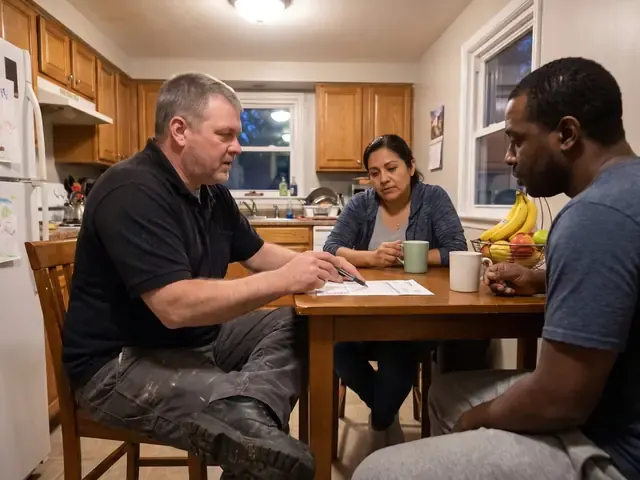
Here is the honest version. If the house is holding its temperature, there are no safety warnings, and everyone inside can stay warm enough overnight, waiting until morning may be the better call. We will tell you that plainly instead of turning every no-heat night into an emergency visit.
| Safe to leave running | Shut it down now | |
|---|---|---|
| What you're seeing | It runs but cannot keep up, or it has quietly stopped | Burning smell, a sounding CO alarm, or a board you have reset repeatedly |
| What is happening | A comfort failure. The system is not making things worse | A safety failure, where time makes the situation worse rather than colder |
| What to do tonight | Close off unused rooms, one heater per circuit, book the morning | Kill the power at the breaker, ventilate if anything smells, then call |
| What waiting costs | A cold night, and the standard rate instead of the emergency fee | Nothing worth the risk |
| Where it goes wrong | A vulnerable household treated as a comfort problem | Calling us before the gas utility when an alarm is in full alarm |
What Nero's Heating & Air Does Before Dispatching Anyone
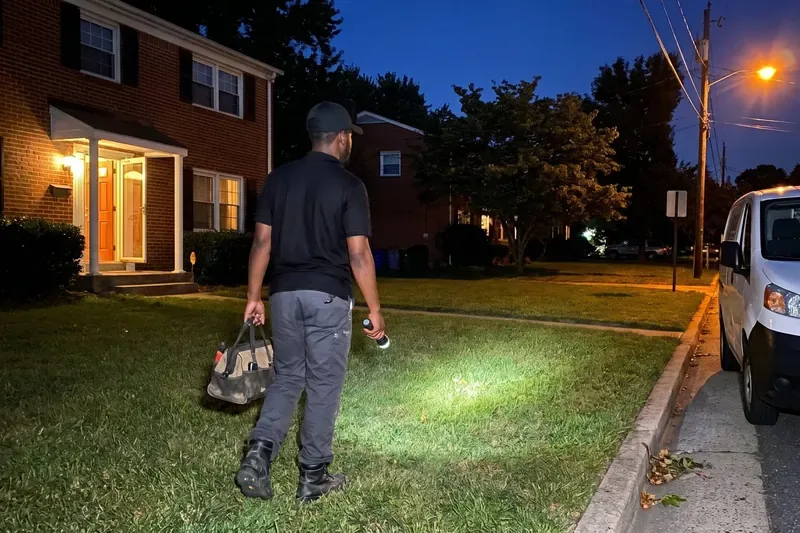
After-hours heating problems are not all the same. The person taking the call listens for the details that change the situation, from ignition trouble and fault codes to unusual smells or repeated shutdowns, so the next step is based on the equipment rather than a script.
Emergency coverage depends on where the technicians are already working and what the night looks like across the service area. We check the route first, then give you a realistic answer instead of promising an arrival time we cannot keep.
A winter-night call sometimes needs immediate attention and sometimes needs a technician at the next available opening. That decision is made around the actual symptoms and safety concerns, not around creating urgency for the sake of a service call.
Any noise it makes, anything you can smell, the number on the thermostat against how the rooms actually feel, and whatever you have already tried. That last one matters more than people expect.
Before anything about scheduling. If something needs switching off at the breaker you hear that in the first minute of the call.
What the emergency visit costs, what the standard visit costs, and our honest read on whether the difference is worth paying tonight.
Ignition and safety faults are usually finished on the visit. A part that has to come from a supplier waits for morning, and you are told that before you agree to anything.
A cold snap does not arrive in one town at a time, so a hard freeze fills the night across the whole region at once. The towns below are where these calls come from most often, and coverage at the edges moves with how the night is running. If yours is not on the list, it is still worth the call.
Have a rough idea of the system's age, what happened in the minutes before it stopped and anything that changed recently. A power outage, new filter, thermostat change or recent HVAC work can all provide useful context.
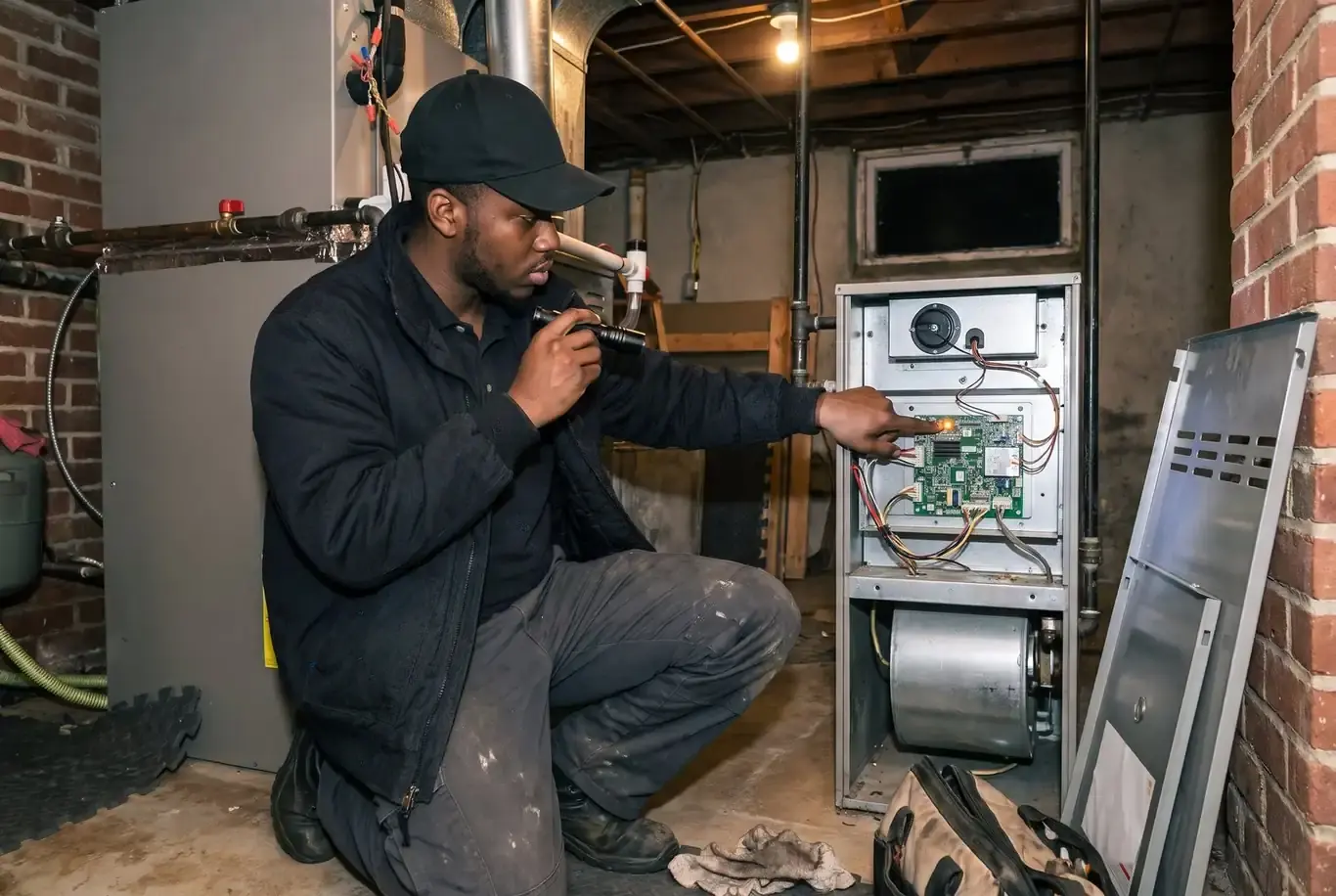
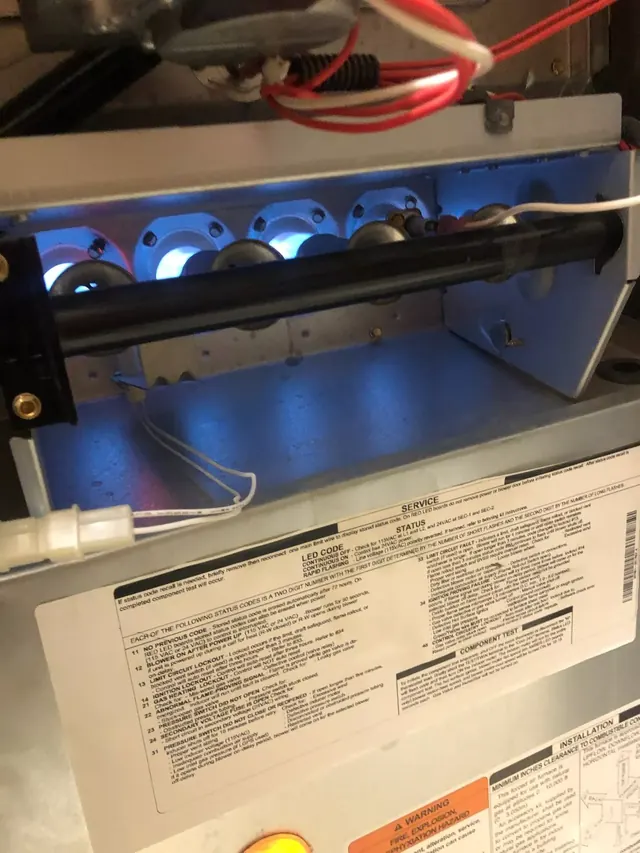
Do not start taking panels apart. If there is a visible light flashing on the furnace, tell us the pattern or number of flashes when you call. That can give the technician useful information before arriving.
Leave it off, especially if it shuts down after a burning smell, electrical issue, or repeated lockout. What happened immediately beforehand is more useful than trying to make it start again.
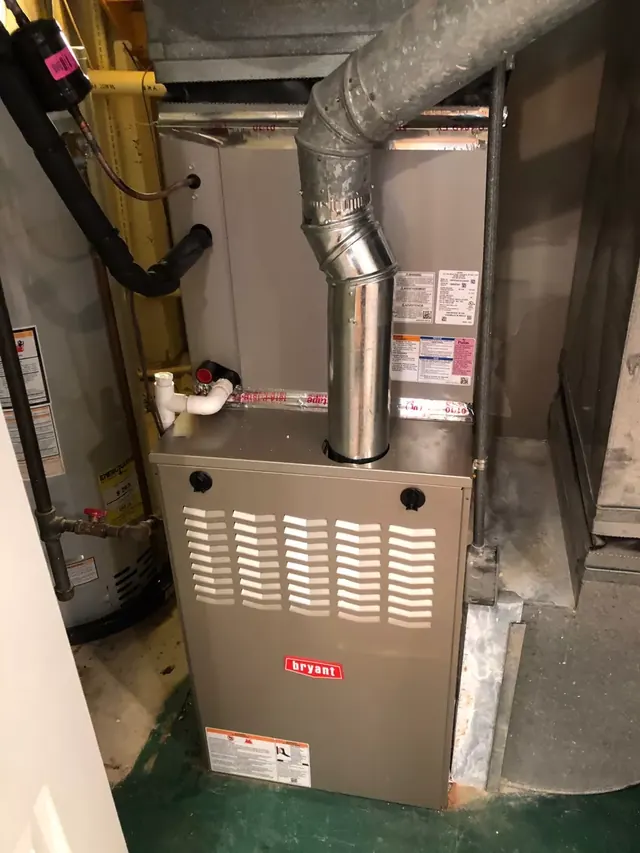
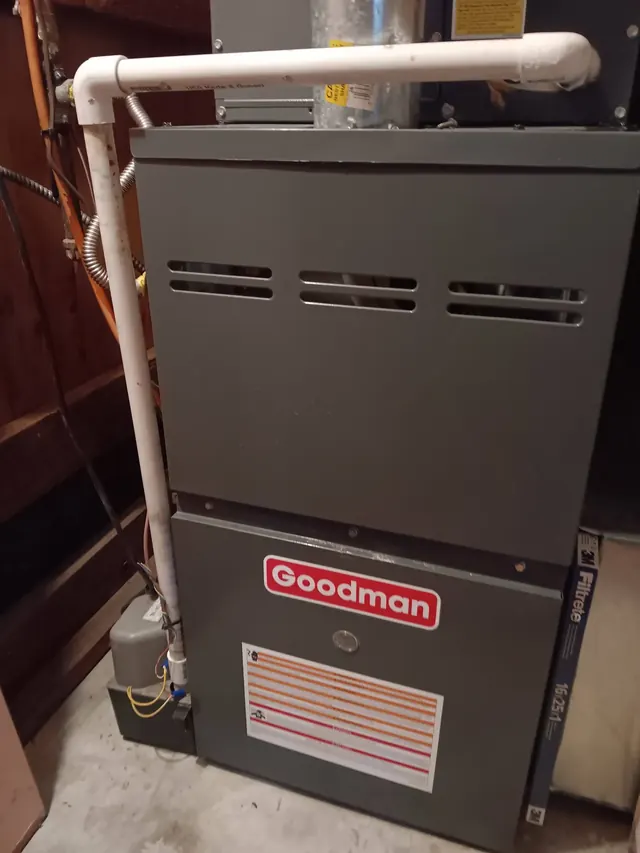
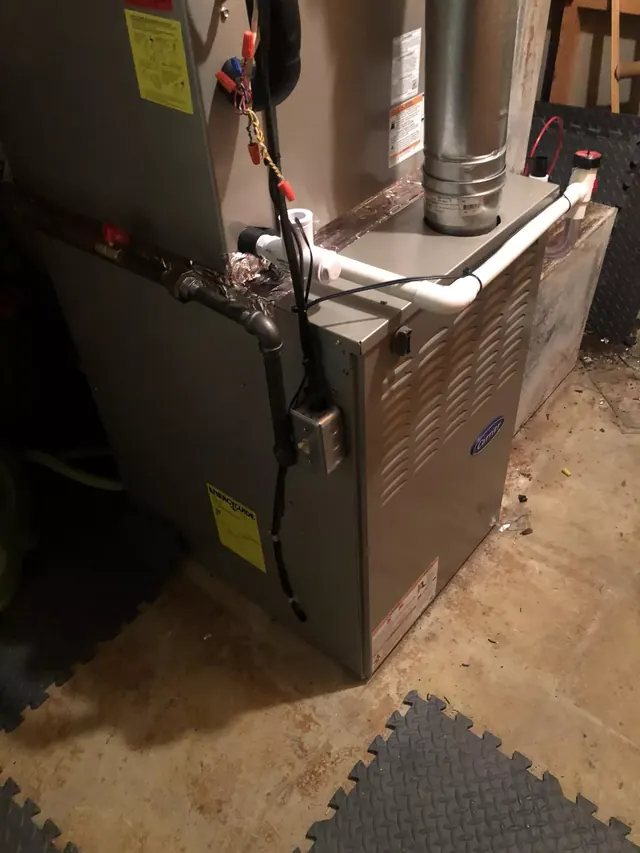
“Nero’s Heating & Air saved me in a pinch. I called and within an hour Julian was at my door and fixed my heat within 5 minutes. Unbelievable customer service. Very grateful for the quick response. Highly recommend to others.”
 Caleb Hart
Once. If it locks out again, something is stopping it proving flame, and repeated resets push unburned gas into the chamber each time. That is the point at which to call.
Below about 55°F starts to matter, and sooner than that for infants, older adults and anyone unwell. Plumbing running through exterior walls is the other thing that decides it.
On pipes running through exterior walls or an unheated crawlspace, yes. A slow trickle keeps water moving, and moving water is considerably harder to freeze than standing water.
No. A furnace makes heat at one rate whatever the setting reads, so a higher number only means it keeps running past the point the house would have reached anyway.
Not the furnace itself, as a rule. It may cover the resulting damage such as burst pipes, which is one reason a cold house with old plumbing is worth taking seriously.