



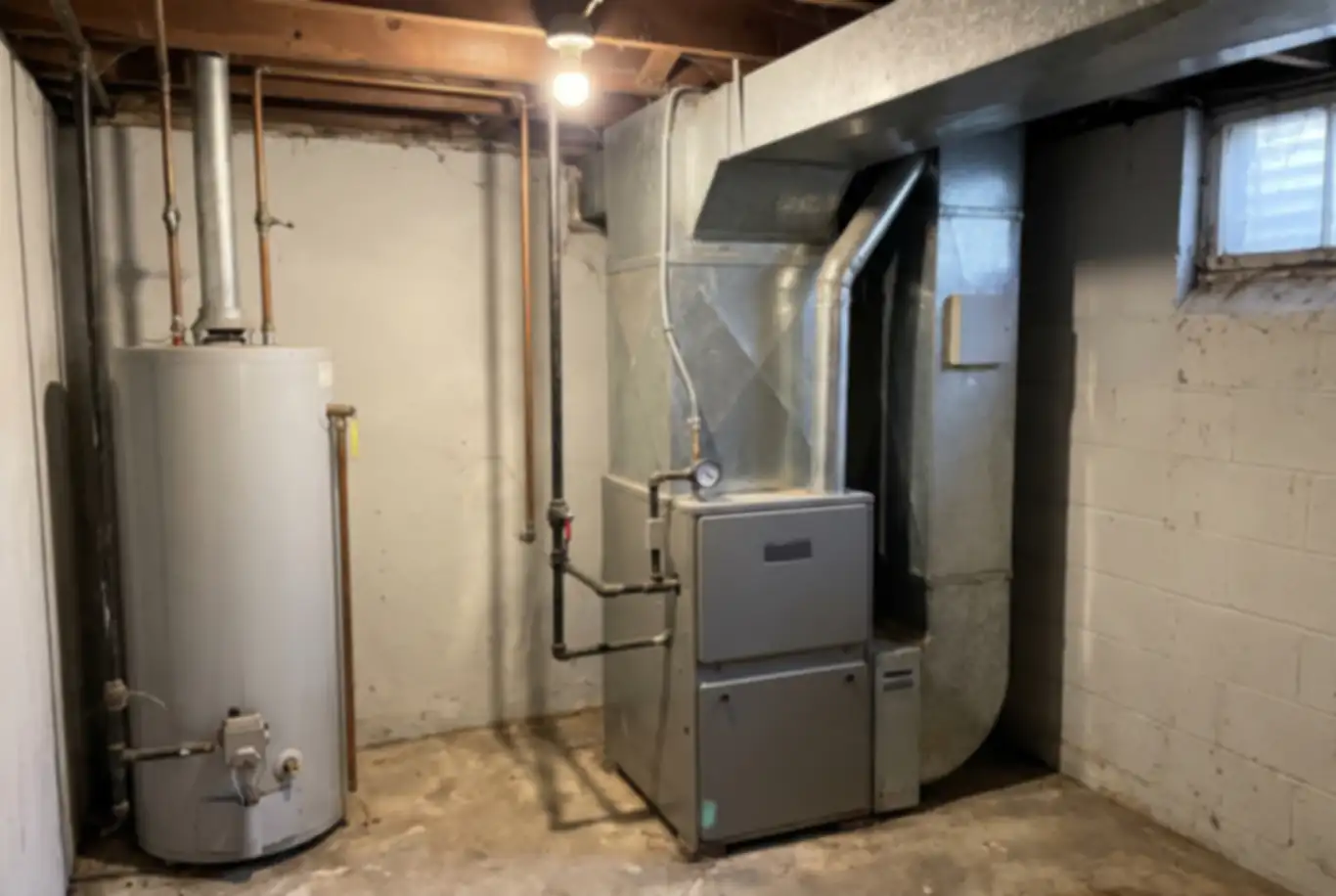
The Chimney
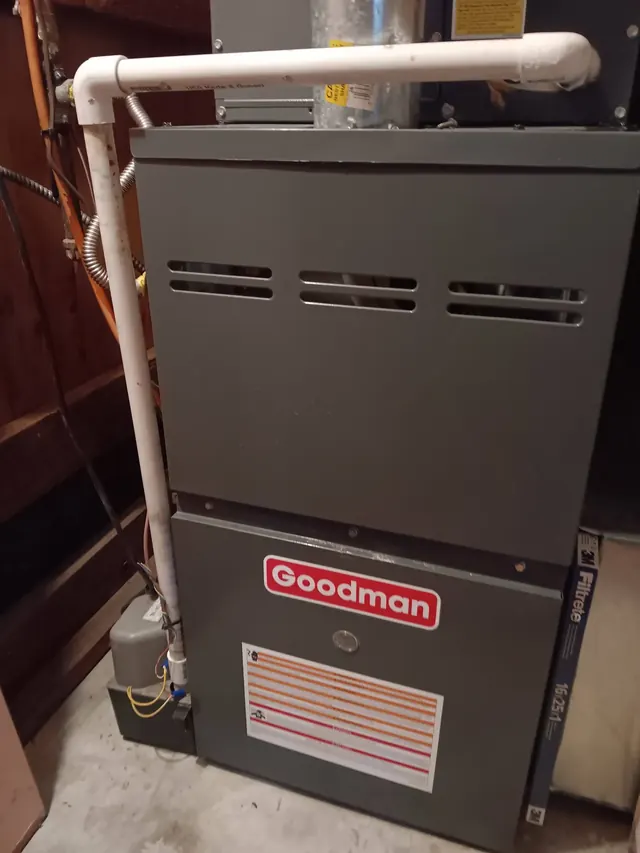
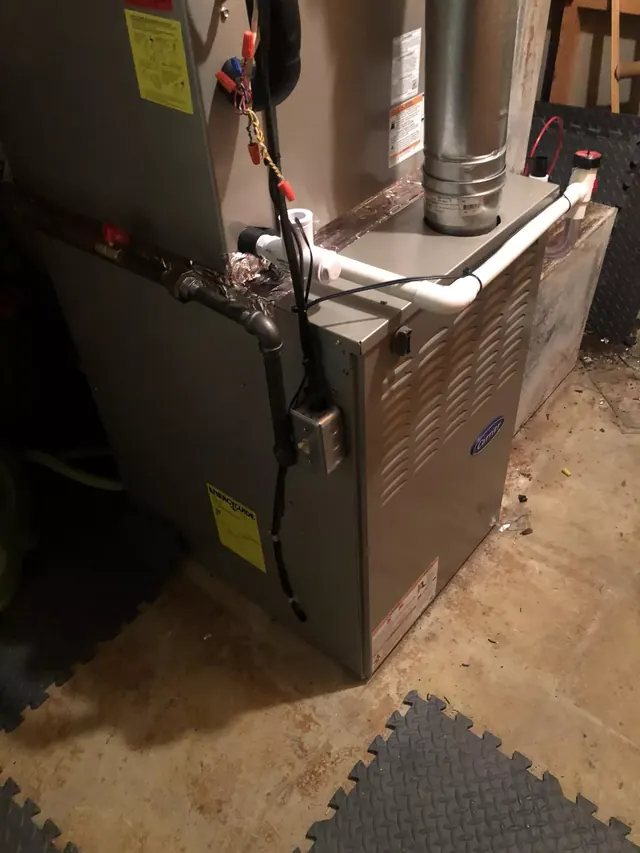
Is there a masonry chimney behind your furnace? A condensing one doesn't use it. The exhaust leaves through PVC at the sidewall instead, which is usually simpler than relining and changes what your basement looks like afterward.
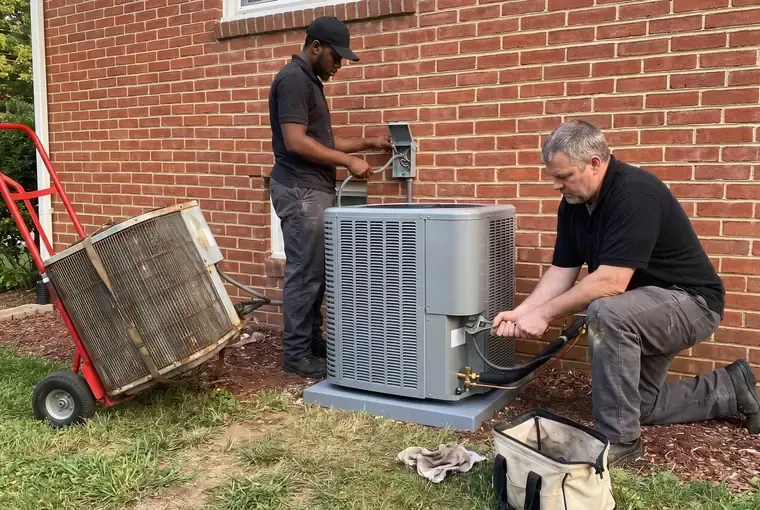
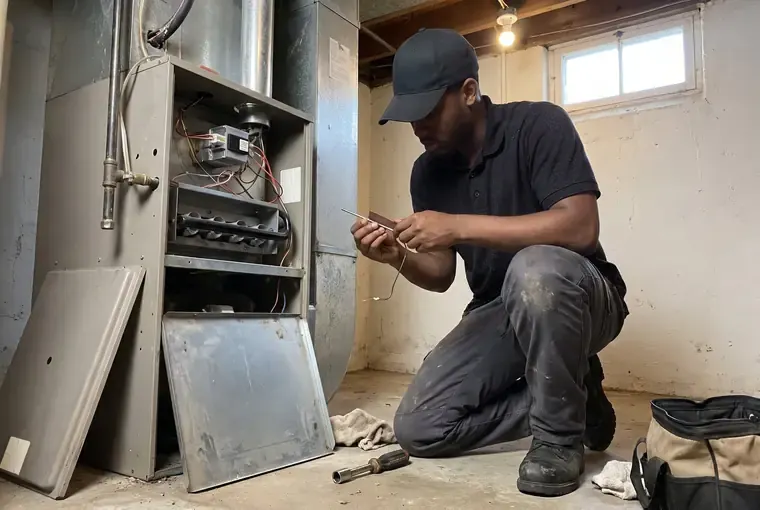
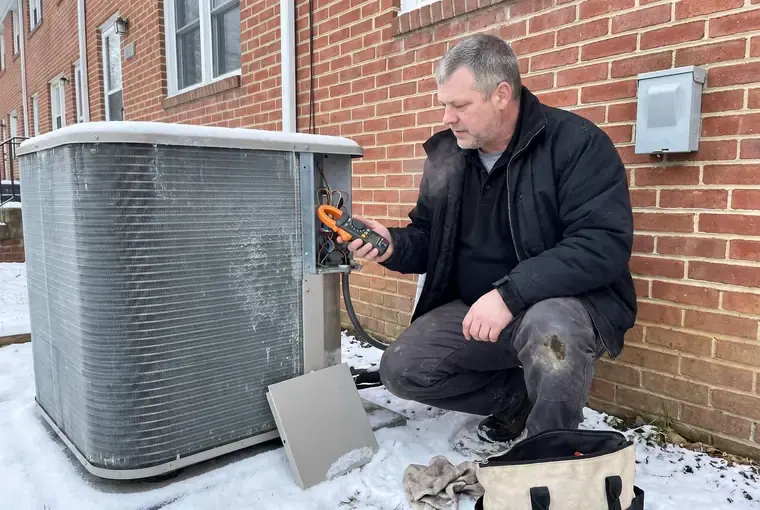

Serving Washington, DC, Prince George's County, Montgomery County & Northern Virginia, including Upper Marlboro, Hyattsville, District Heights and Silver Spring.
Most furnaces in Hyattsville, District Heights and the older parts of DC went in when an eighty percent furnace and a gas water heater shared one masonry chimney. That arrangement worked for decades. It's also the thing that most often decides what a replacement costs, well before anyone gets to the furnace itself.
At Nero's Heating & Air we size the new furnace to your house, your ducts and your venting, not to the label on the old one. Whether the furnace has finally quit or somebody has told you the heat exchanger is cracked, the visit starts with measurements. By the end, you'll know what fits, what the venting work involves, and what the whole thing costs, written down before anything is ordered.
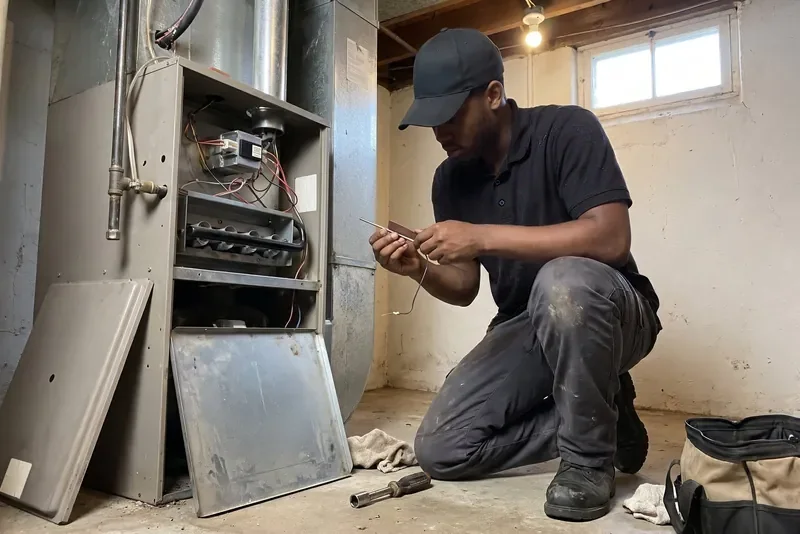
| Stat | What it means for your house |
|---|---|
| 80% vs 95% | The share of fuel an older furnace turns into heat, against a condensing one. |
| 15 to 20 years | Typical service life of a gas furnace before replacing beats repairing. |
| 2 pipes | A condensing furnace vents through PVC, intake and exhaust, so the chimney stops carrying it. |
| 40,000 to 100,000 BTU | The output range most DMV houses need, set by the house rather than the label. |
The furnace itself is the predictable part of a quote. What moves the number is everything around it: where the exhaust goes, whether the ducts can carry what the new unit moves, and what the change leaves behind in the basement. These are the five we check on the estimate visit.
Is there a masonry chimney behind your furnace? A condensing one doesn't use it. The exhaust leaves through PVC at the sidewall instead, which is usually simpler than relining and changes what your basement looks like afterward.
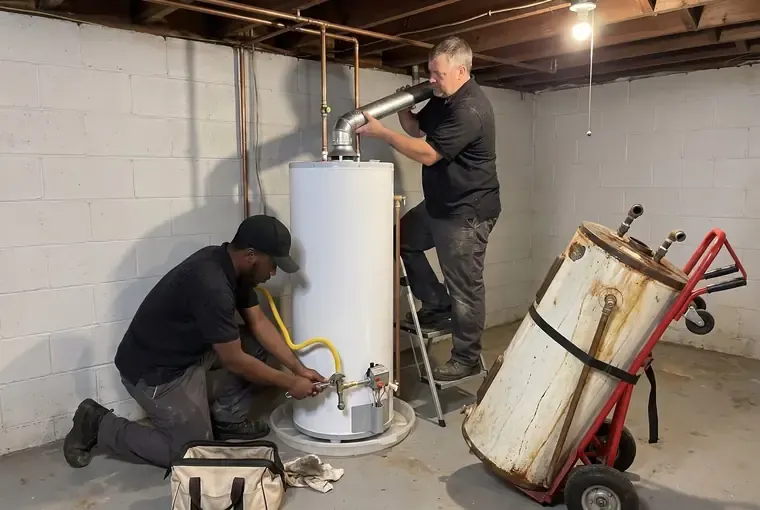
Does your gas water heater share that chimney? It's about to be alone in a flue built for two, so the exhaust stalls instead of leaving. It needs a resized liner, the line most often missing from a quote.
Does one room never keep up? A bigger furnace won't fix that on its own. Duct runs added later, traveling through space nobody heats, are usually the cause, and the answer is the ductwork rather than more capacity.
A new furnace often draws differently from the one it replaces, so pipe size and meter capacity get checked before anything is ordered. It's a short check that stops an expensive surprise on install day.
Furnace in a closet, a crawlspace or a tight basement corner? A condensing unit needs a condensate drain and a route for two pipes, so the room around it decides which models will physically go in.
A furnace replacement estimate is free. The $75 diagnostic applies when we are still figuring out why the system is failing, and that fee is waived on the work if you move forward.
Once replacement becomes the conversation, the price depends on the furnace, the venting, and any changes the existing setup needs, including shared flue work around the water heater. We put the full replacement quote in writing before anything is ordered, so you can see exactly what the job includes before you sign.

Both can work well, but the venting changes the job. An 80% furnace can often keep using the existing chimney if the liner is in good condition, while a 90%+ system vents differently and may leave the water heater alone on that flue. That extra venting work should be part of the quote from the start.
A lower furnace quote is not necessarily a better one if necessary venting work has been left out. We want the estimate to show the whole installation, so you are comparing the same job before deciding which system makes sense.
| Standard Efficiency, Around 80% | High Efficiency, 90%+ | |
|---|---|---|
| How it uses fuel | About 80% becomes usable heat, with the rest leaving through the flue | More of the fuel becomes usable heat |
| How it vents | Through the existing chimney if the liner is suitable | Through dedicated PVC venting |
| What installation may involve | Furnace replacement plus existing connections and chimney evaluation | Furnace replacement, new vent route and condensate drainage |
| What happens to the water heater | It can continue sharing the existing flue | It may become the only appliance using the chimney, which can require the liner to be resized |
| Operating cost | Uses more fuel to produce the same amount of heat | Uses less fuel, with a higher-efficiency system |
| Main consideration | The existing chimney and liner still need to be suitable | More installation work is required upfront |
What Nero's Heating & Air Puts in Writing
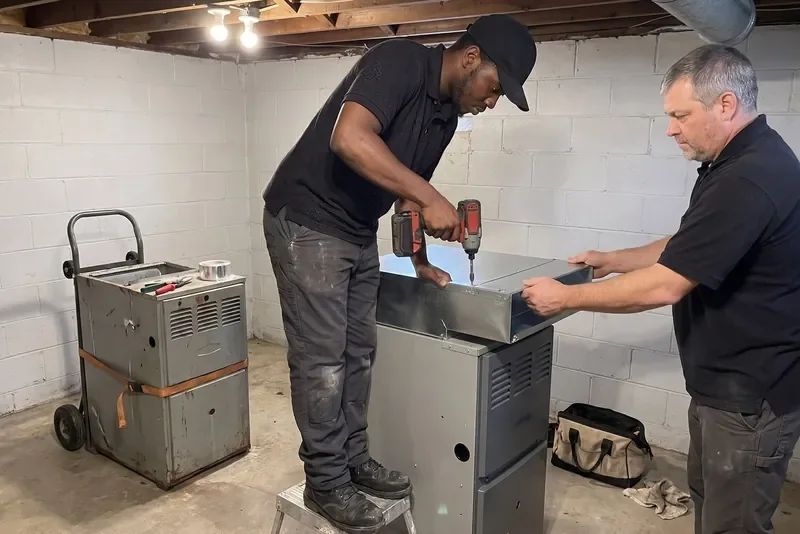
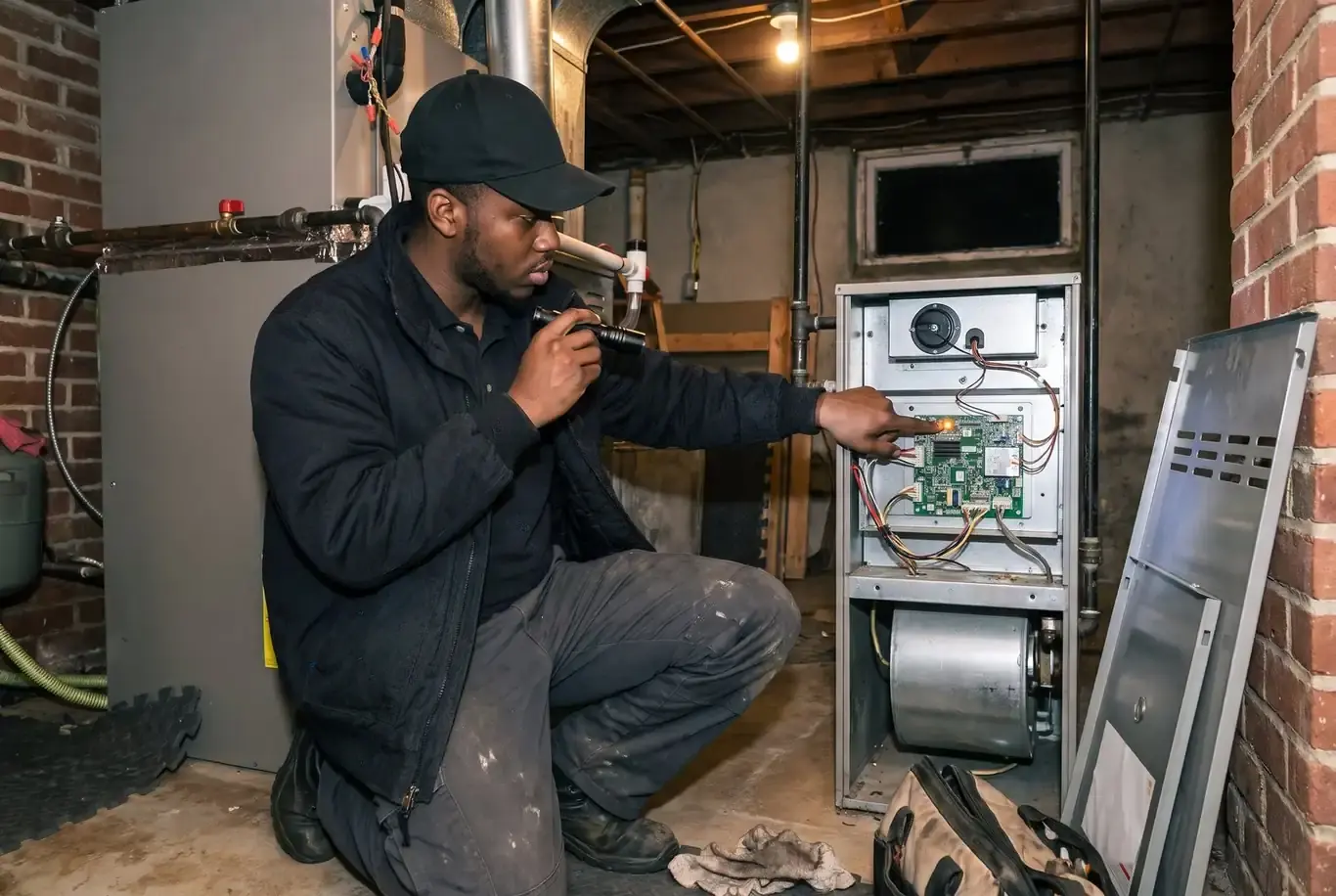
Somebody telling you the heat exchanger is cracked should be able to show you it. We test the furnace before we price a replacement, and where it turns out to have good seasons left in it, that is what you hear instead of a quote.
We hold Maryland HVAC/R license HVAC R 47671, a Master HVAC license and EPA 608 certification, and we carry general liability and workers' compensation. Gas appliance replacement is permitted, inspected work here, so a quote that leaves the permit out is worth questioning.
Every new system gets a written estimate, and once you sign it the number is binding. Installations carry a one year labor warranty and repairs thirty days, and we check back at six months, which is when a sizing mistake surfaces.
We look at the furnace, the flue, the returns and the space around it, then explain which parts of the job are the furnace and which are the venting. Nothing is priced from a photo.
The estimate covers equipment, the vent route, the condensate drain, any liner work and the permit. It's binding once signed, so the figure you approve is the figure you pay.
The old unit is disconnected and removed, the new one is set and connected, and the vent is run and pressure-tested before the gas goes back on.
We fire it through a full cycle, check the temperature rise against the label on the new unit, prove the safeties, and leave the paperwork and the registration details with you.
Replacement work gets scheduled rather than squeezed into a day, which means it reaches further than a same-day repair call does. The towns below are where installs land most often. If yours isn't listed, call and ask instead of assuming we're out of range.
Tell us roughly how old the furnace is, what it's doing now, and whether anything about the house has changed since it went in. An addition, new windows or a finished basement all move the sizing. If you can, say what the furnace and the water heater vent into, because that answer shapes more of the quote than the furnace model does.
Bring it with you. The useful comparison isn't the two bottom lines, it's whether both quotes cover the same work: the vent route, the liner, the condensate drain and the permit. We price that same scope so you can read them side by side.
A house with no heat is a repair visit first. Call us right away and we'll get it running, then talk about replacing it once you're warm, rather than leaving you cold while a quote gets written.
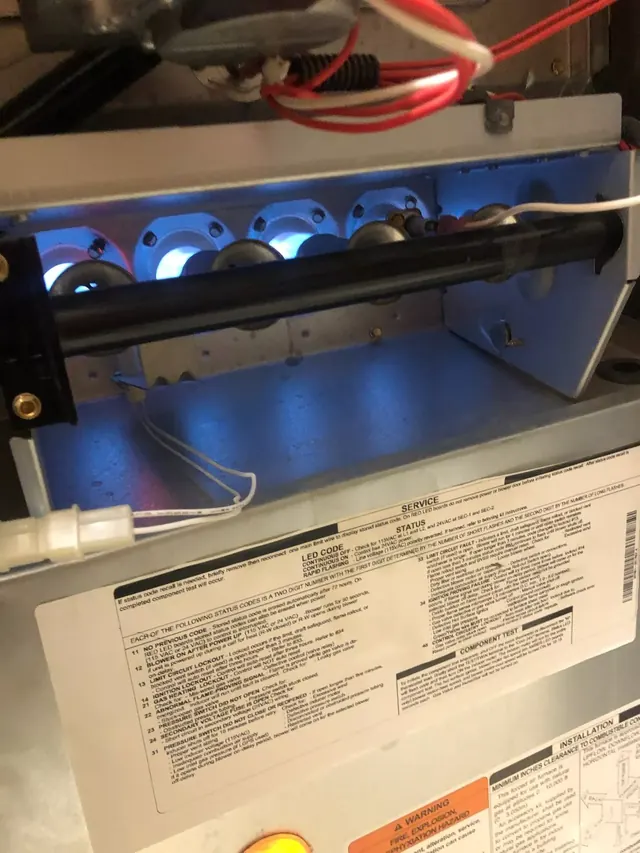
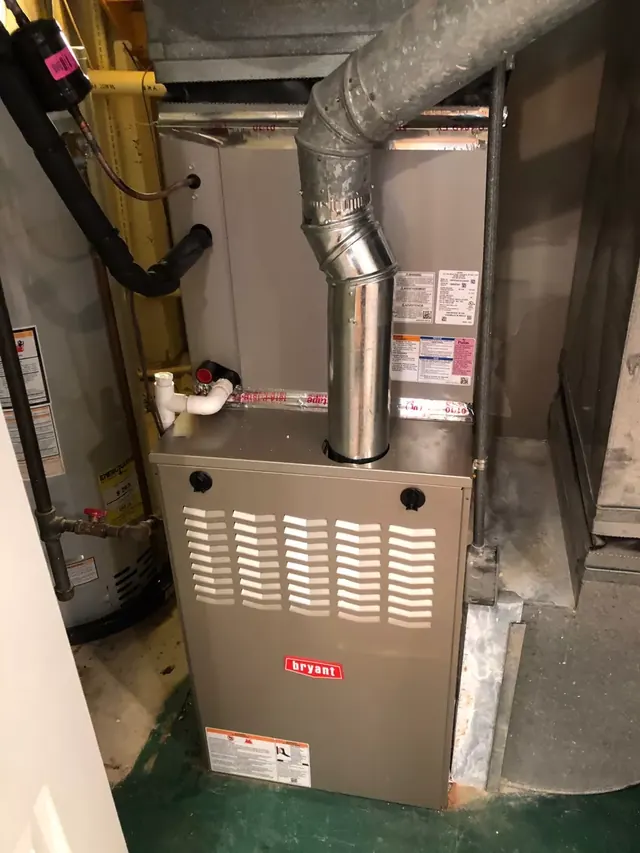
“Nero’s Heating & Air saved me in a pinch. I called and within an hour Julian was at my door and fixed my heat within 5 minutes. Unbelievable customer service. Very grateful for the quick response. Highly recommend to others.”
 Caleb Hart
Often it will, though a two-stage or variable-speed furnace needs a thermostat that can call for both stages. An older single-stage one runs it, but never above first stage.
Usually yes. The indoor coil sits directly above the furnace though, so its age and its match get checked first, because a new blower changes how that coil performs.
Typically one business day for a like-for-like swap. Where the exhaust route changes and a liner is added, allow for two, and ask which one your quote assumes.
A condensing furnace pulls so much heat out of its exhaust that water forms inside it. That water is mildly acidic, so it gets drained away rather than left sitting.
A sealed unit brings its own air in from outdoors, so it never competes with your rooms. An older open-burner type takes that air from the space around it.