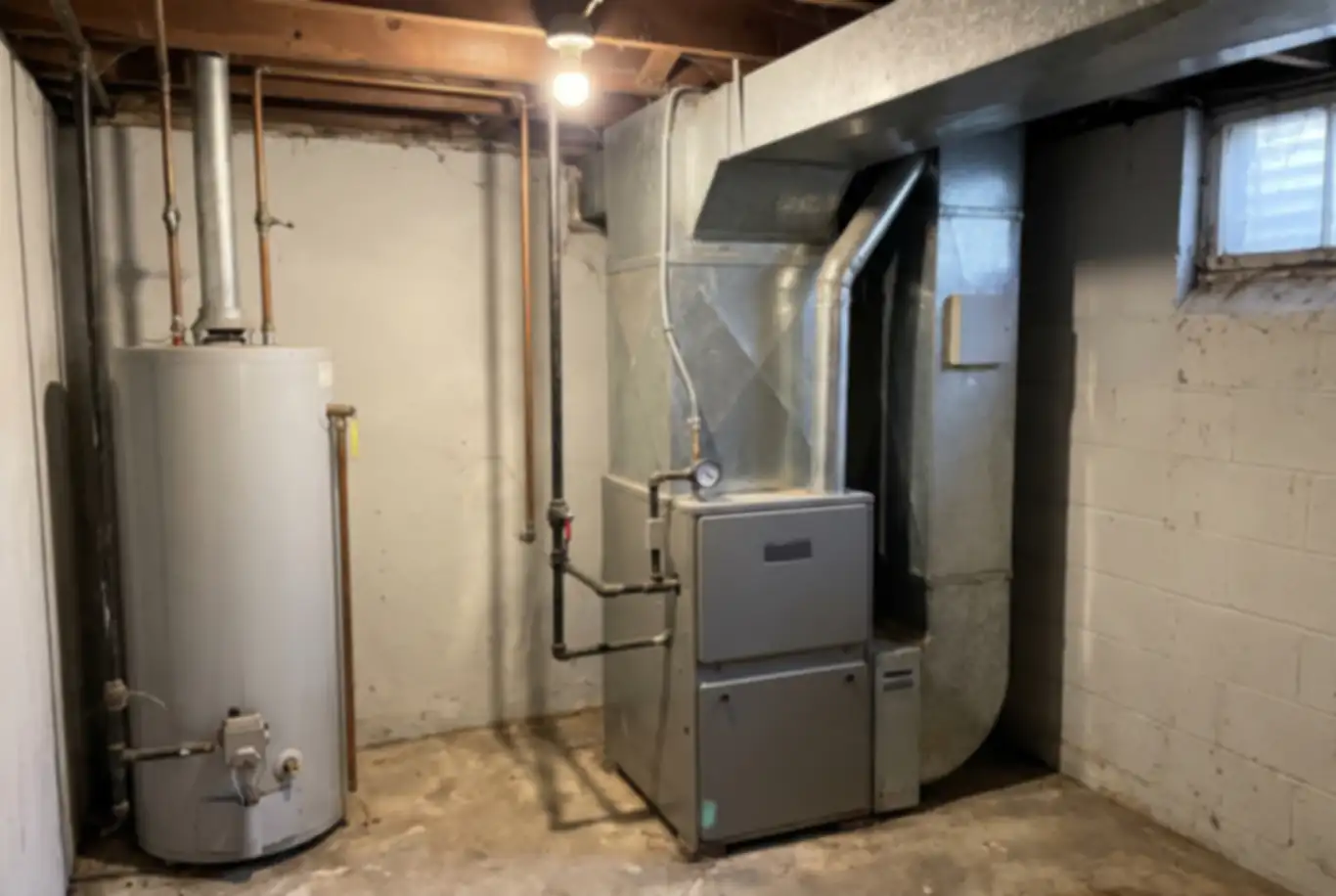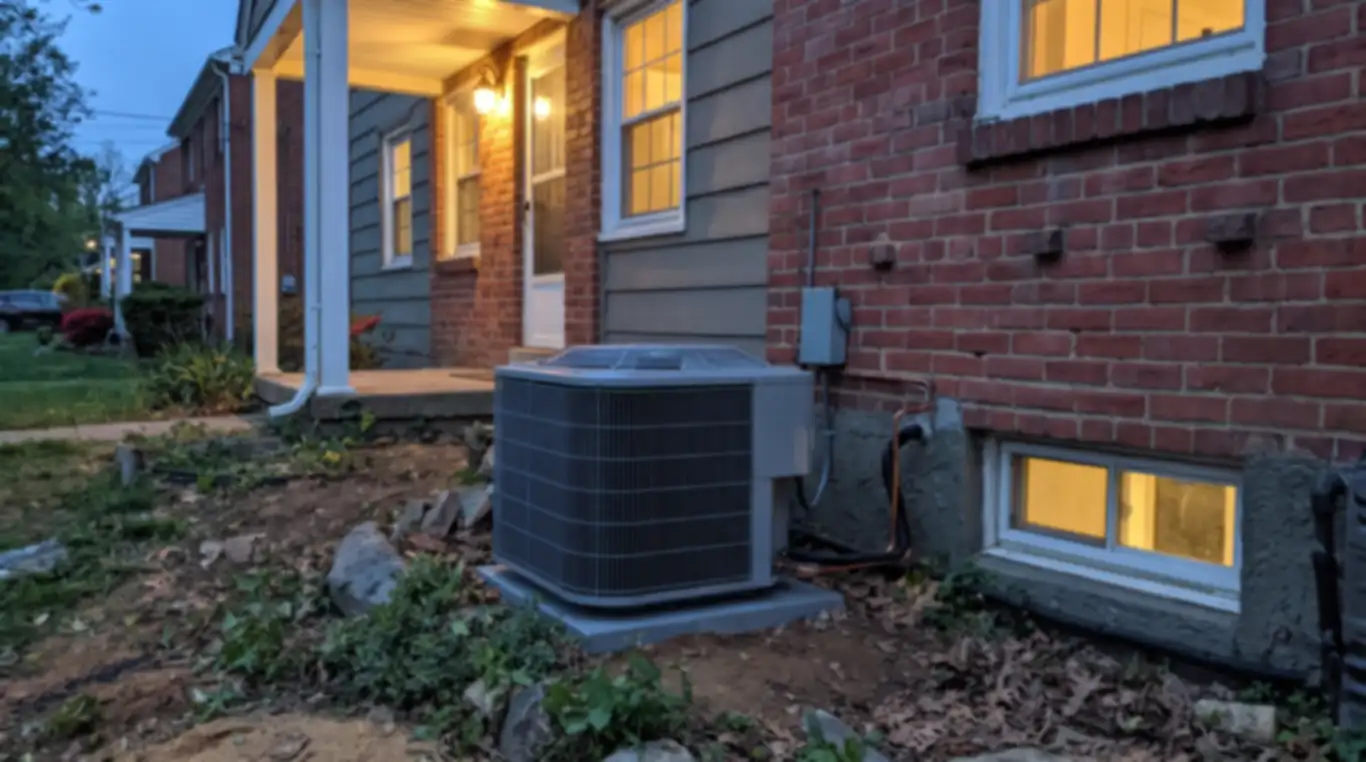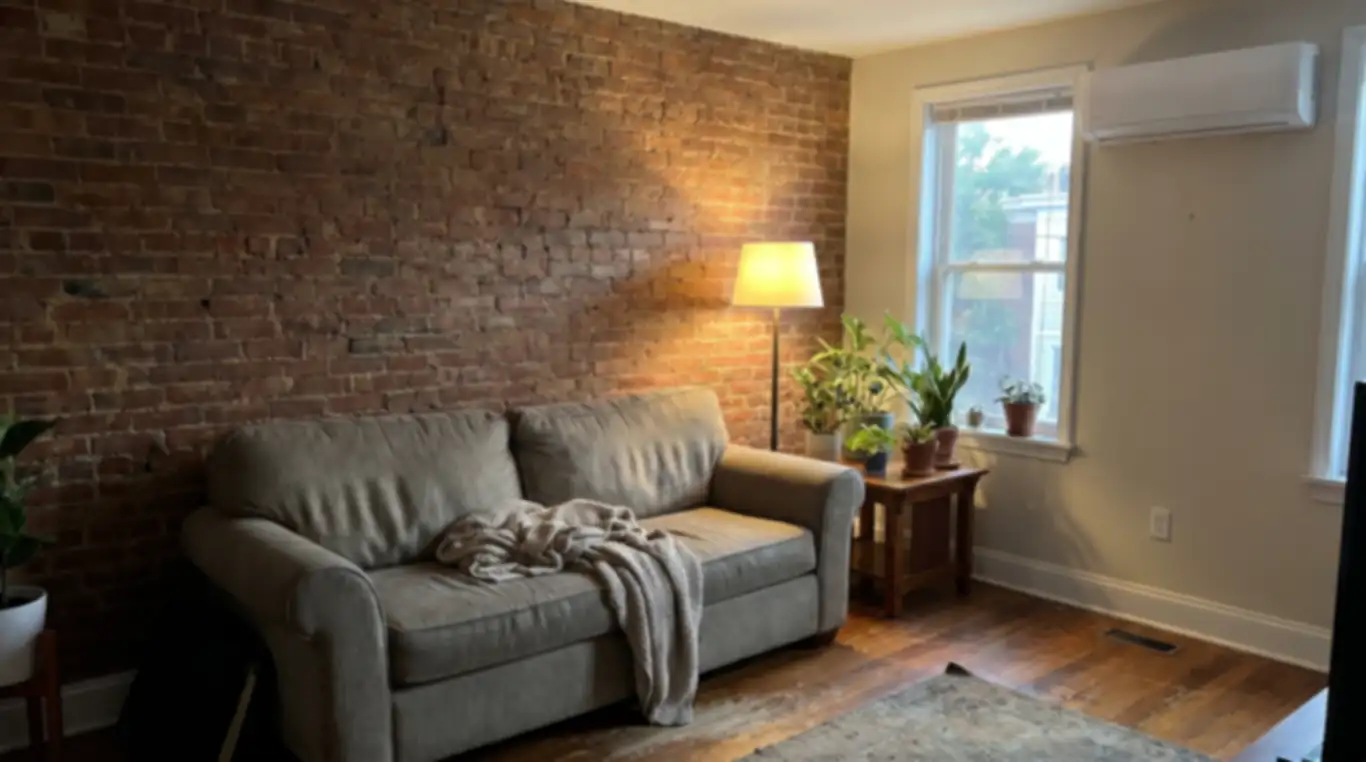



The equipment, named by model and not only by brand.
A tonnage and a badge can be filled with several different units on the day.

Serving Washington, DC, Prince George's County, Montgomery County & Northern Virginia, including Upper Marlboro, Hyattsville, District Heights and Silver Spring.
A cooling season here runs from May into September, so a system in its final years has put in far more hours than its age suggests. In Hyattsville, District Heights, and across Washington, DC, the end rarely arrives as a breakdown. The system just runs longer and longer, so it ends up taking longer to reach a result it used to reach by lunchtime.
At Nero's Heating & Air, most of our installs are replacements for systems that still run. If you are pricing a new AC unit, comparing replacement quotes or trying to figure out what size you need, we start at the house rather than the catalog. You end up knowing what your home can take, what each option changes, and what the whole job costs in writing.
| Stat | What it means for your replacement |
|---|---|
| 4 to 8 hours | A straightforward changeout is usually finished inside one working day. |
| 60 to 90 days | The window to register new equipment. Miss it and parts coverage can halve. |
| 40% | Reported cut in cooling costs moving from a 10 SEER system to a 16 SEER one. |
| 115% | The most a cooling system should exceed the home's calculated load, under ACCA Manual S. |
Two quotes for the same house can differ by thousands without either one being wrong, because they are not always quoting the same work. Some of what follows is the equipment, some is the connections around it, and some is the paperwork. It is worth finding each one somewhere on the page before you compare the totals.
A tonnage and a badge can be filled with several different units on the day.
A new outdoor unit paired with the existing coil is a different job at a different price.
Reusing it is often fine, though its age, size and condition decide whether it can stay.
New equipment may need a different breaker, a disconnect or a whip, and those are easy to leave off a total.
The switch shuts the system down on a blockage before water finds the ceiling underneath.
Removal and disposal is real work with a real cost, so it belongs on the quote rather than on the invoice.
If a few of those details are missing, ask what is included before comparing one total against another. And if you are still gathering numbers, our installation team offers free replacement estimates. We can walk through the equipment, the work around it and the final price with you, so you know exactly what you are comparing before you sign.
A replacement is priced per house rather than per model, which is why a number given over the phone is a guess. Capacity moves it. So does how many stages the equipment runs at, whether the indoor coil and the line set can stay, and what the electrical needs are before it will carry the new unit.
What does not change is the way you get the figure. Our estimate is written, it names the equipment and describes the work, and once you sign it, the price is fixed. Labor is covered for a year, and financing is available to eligible customers.

Single-stage systems run at full output or not at all. Two-stage equipment adds a lower setting, while variable-speed systems adjust more gradually for steadier cooling and humidity control. The better fit depends on the home too, so we match the equipment to the ductwork, airflow and sizing rather than selling extra stages the house cannot use.
| Single stage | Two stage | Variable speed | |
|---|---|---|---|
| How it runs | Full output or nothing at all | A low gear most of the day, full output on the worst afternoons | Ranges continuously, adjusting output rather than switching it |
| What you notice in a humid August | Cools quickly, then stops before much moisture has been pulled out | Longer cycles, so the air coming out of the vents is drier | The steadiest temperature and the most moisture removed |
| What it asks of your ducts | Least. It is the most forgiving of an older duct run | More, because the low stage moves air for far longer | Most. A restricted return shows itself quickly at low speed |
| What it costs you | Lowest to buy, and the simplest to get parts for | More to buy, and the controls are more involved | Highest to buy, and repairs need parts specific to the model |
| Where it earns its money | Homes that already cool well, replacing like for like | Homes that feel clammy at the right temperature | Large or open homes, long run times, someone home through the day |
What Nero’s Heating & Air Does Differently
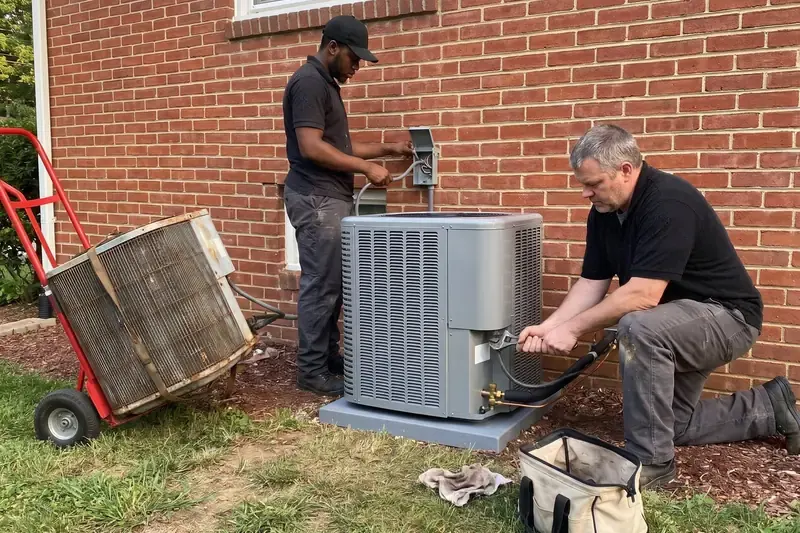
Nero’s Heating & Air provides new-system estimates in writing, with the equipment and work laid out before you sign. We would rather catch the details upfront than introduce another cost once the old system is already out.
An AC replacement is one of the biggest HVAC jobs inside your home, and Nero’s Heating & Air does not treat it like a handoff. The owner stays involved in the work and in the decisions around the system going in.
Around six months later, Nero’s Heating & Air follows up to ask how the system is running and whether anything needs attention. A good installation should still feel right after a full season, not only the week it went in.
Which rooms never cool, how long the system runs, and what you want different next summer. That shapes the options more than the model number on the old unit does.
The equipment, the space it sits in, the duct runs feeding it and the electrical behind it. What the house can take is what decides the quote.
It names the equipment and describes the work, and it is yours to keep and compare. Signing it fixes the price, and nothing is ordered before that.
Most changeouts are finished in a day. The system runs a full cycle before we go, and the labor on it is covered for a year.
Our installation work spans the entire region rather than clustering near the shop. Two crews run the installs, and where they are in a given week determines how far out we can reach. The towns below are where the work takes us most often, though the edges move. If yours is not on the list, that is worth a call rather than an assumption.
An estimate visit runs longer than a service call, because most of it is looking rather than fixing. Tell us roughly when the system was installed, what the house does poorly in summer, and whether anyone has already quoted you. That last one saves everybody a repeat conversation.
We need to reach the indoor and outdoor units and read the label on each. If the condenser is fenced in or grown over, some working room around it means nothing gets guessed at.
Financing is available for customers who qualify. Raise it at the estimate visit rather than after, and what is available comes to you alongside the written quote instead of following it.
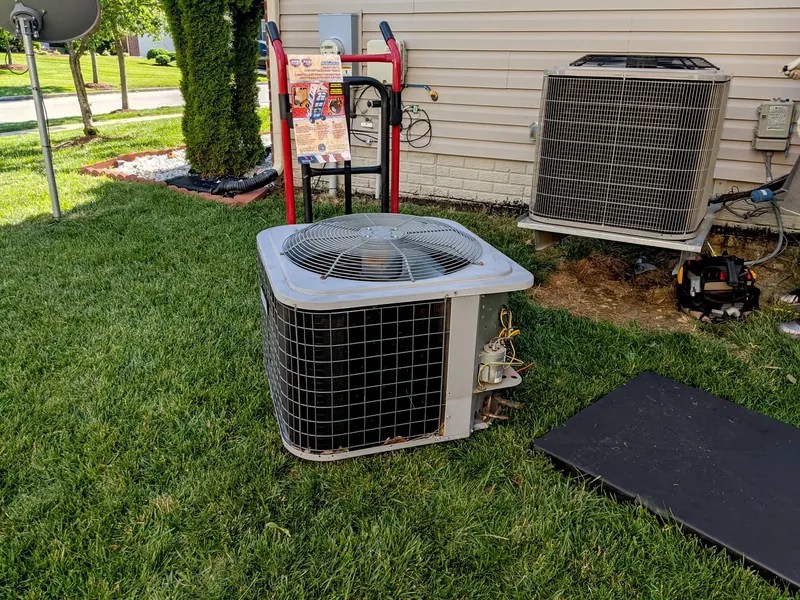
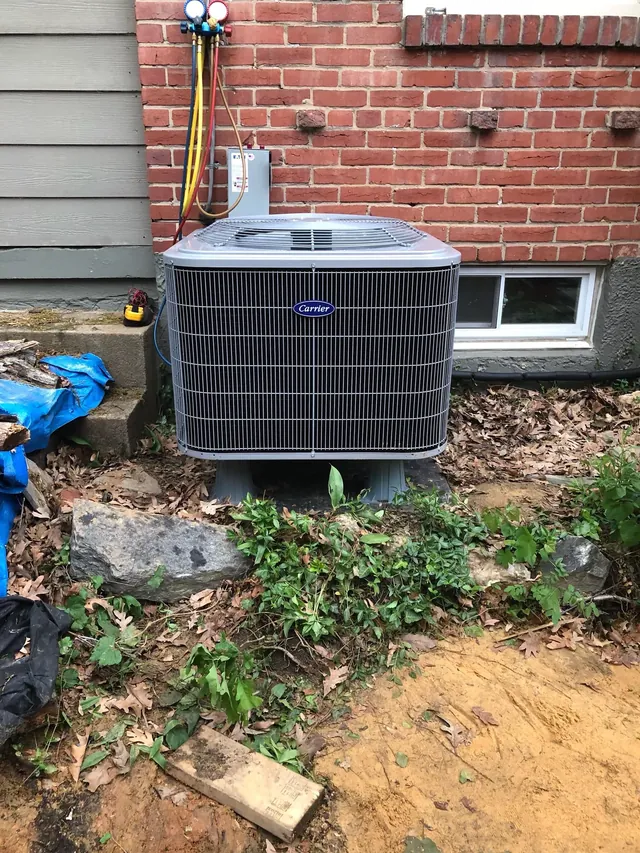
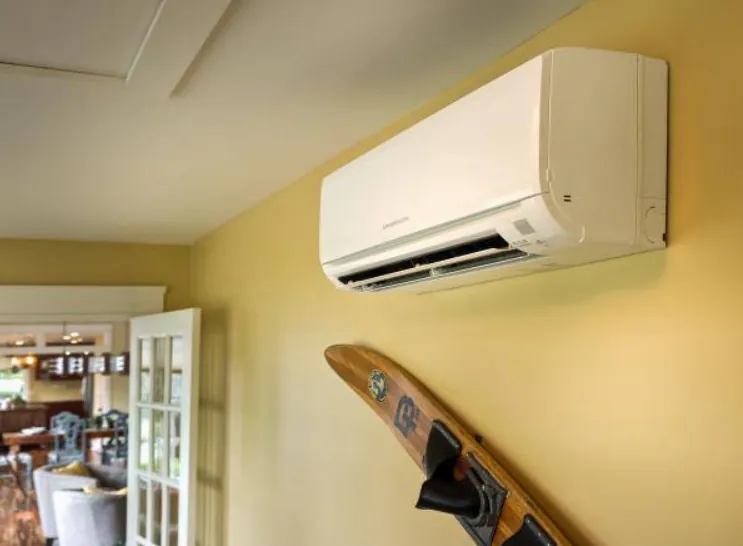
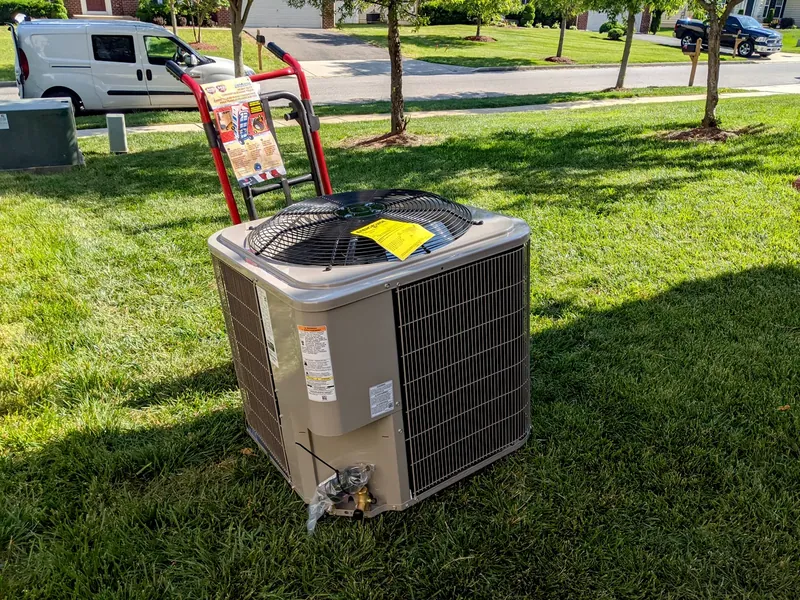
“[He] explained us why one of the older systems was not communicating well with our Nest thermostat and why instead of repairing and wasting our money we should consider a newer more efficient communicating system.”
 Rohit S.
Often yes. Your furnace holds the blower that drives cooled air through the vents, so its age and how much volume it can push decide whether the pairing works.
Either party can, though the record ends up mattering to you. Ask at handoff whether it has been filed, note the serial, and check a confirmation actually arrives.
Usually, and the gap widens the older the outgoing unit. Trading a 10 SEER machine for a 16 SEER one is commonly reported to cut summer bills near 40 percent.
Its refrigerant must be drawn off first by an EPA-certified technician, which is federal law rather than courtesy. Only after that may the metal legally be scrapped or recycled.
Usually no. Ductwork tends to stay put during a changeout. Where a branch is crushed, undersized or dumping cool air into an attic or crawlspace, expect to be told.