



Steam Rising Off the Outdoor Unit
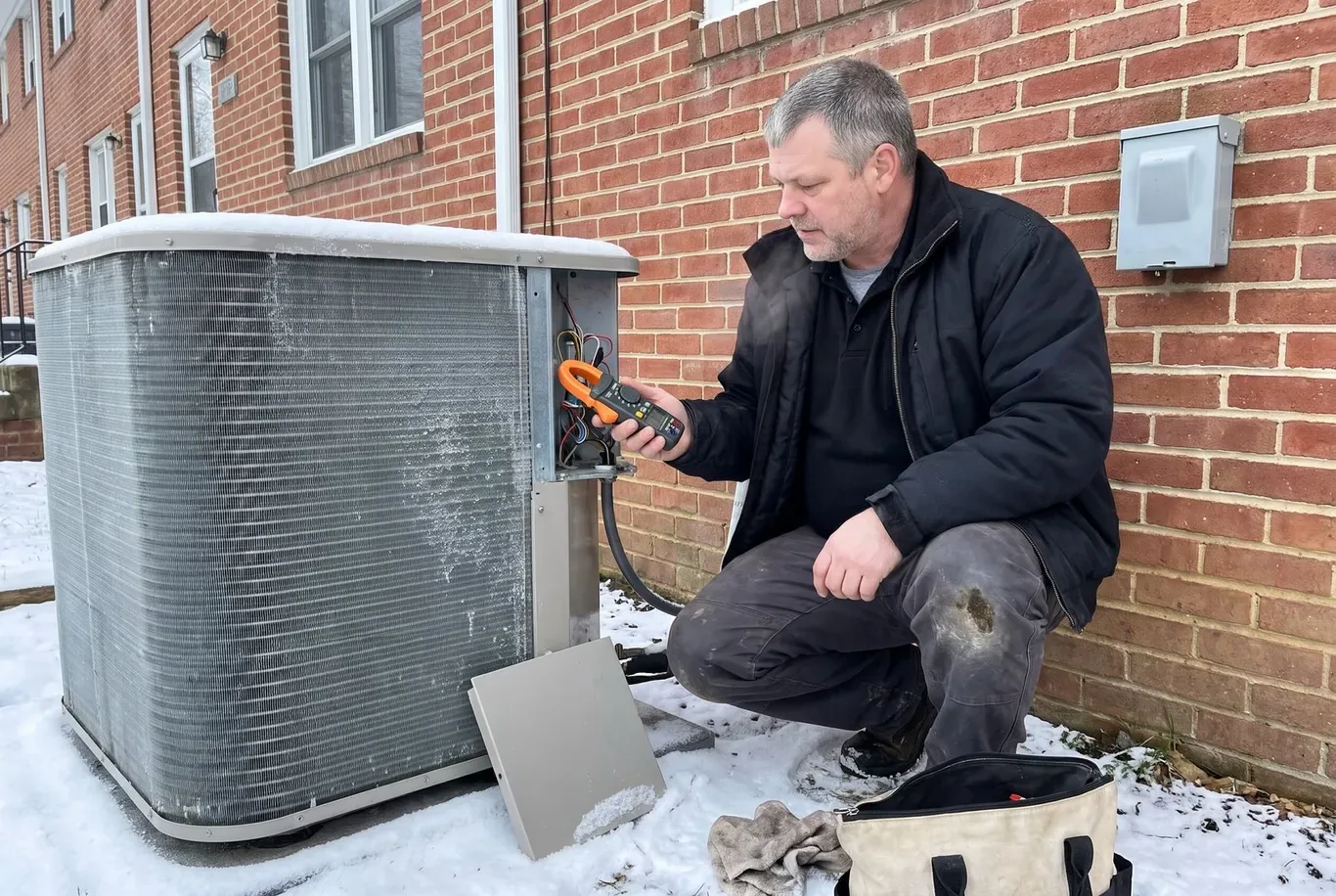
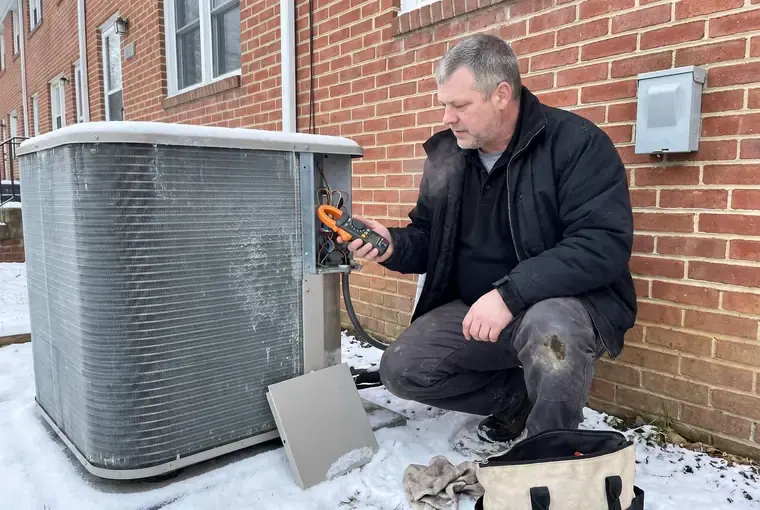
Not smoke, and not a fault. The system has reversed itself briefly to melt frost off the outdoor coil, which is what the steam is. It should clear inside fifteen minutes.
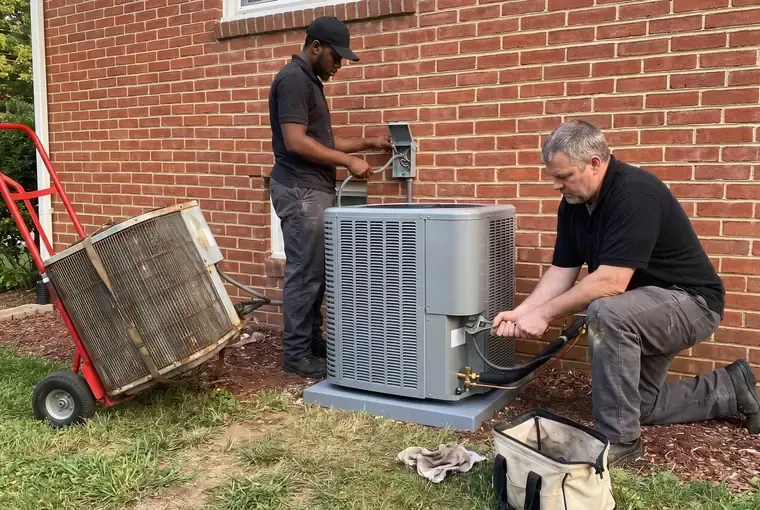

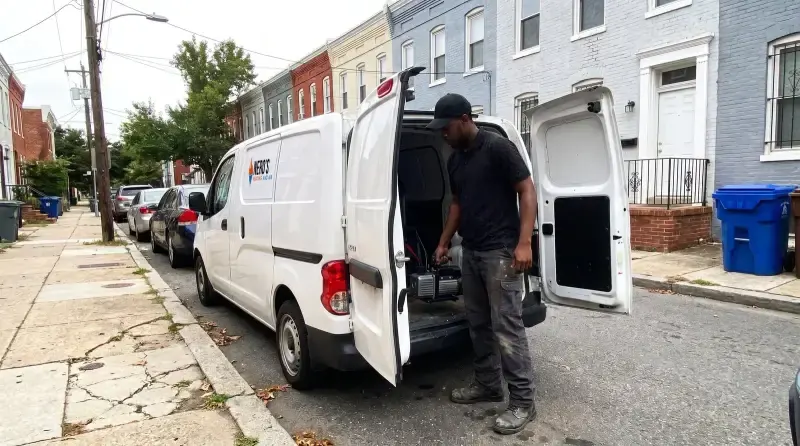
Serving Washington, DC, Prince George's County, Montgomery County & Northern Virginia, including Upper Marlboro, Hyattsville, District Heights and Silver Spring.
Heat pumps behave differently from furnaces, especially in winter. They may run for long stretches, blow air that feels cooler than furnace heat, or release steam during a defrost cycle. Those things can look like problems even when the system is working normally.
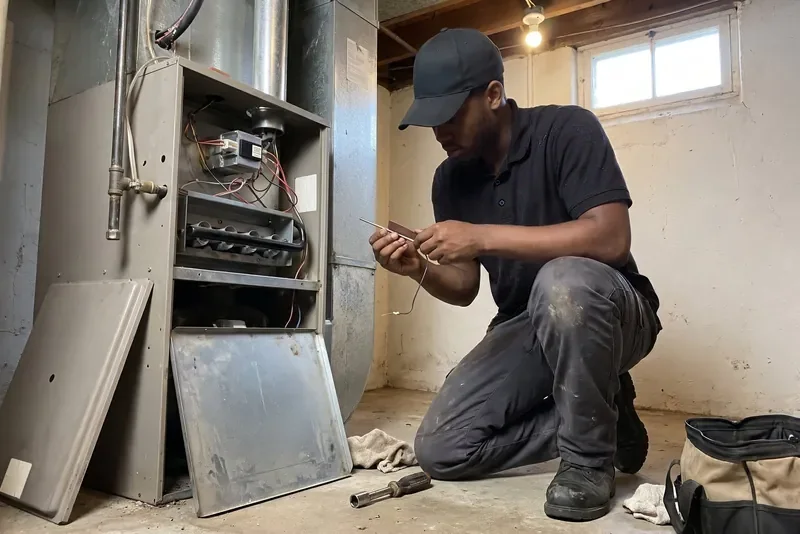
Nero's Heating & Air starts by separating normal heat pump behavior from an actual fault. If something is wrong, we trace it to the part causing it, whether that is the defrost system, backup heat, reversing valve or another component. You get a clear answer on what is normal, what is not and what needs to be repaired.
| Stat | What it means for your system |
|---|---|
| 5 to 15 minutes | How long a normal defrost cycle runs. Much longer, or back to back, is a fault. |
| 30 to 90 minutes | How often a heat pump checks its outdoor coil for frost while it is heating. |
| 35°F | Where auxiliary heat lockout is commonly set, so the strips stay off above it. |
| 10 kW | A common backup strip size, drawing around 40 amps whenever it runs. |
Put a heat pump next to a furnace and almost everything about it looks like a symptom. These five come up most, and the first two are usually nothing at all, while the last three are worth a visit.
Not smoke, and not a fault. The system has reversed itself briefly to melt frost off the outdoor coil, which is what the steam is. It should clear inside fifteen minutes.
A heat pump delivers a lot of gently warm air rather than a little very hot air. It reads cool on a hand at body temperature while still heating the room perfectly well.
Is it defrosting every twenty minutes on a mild, damp day? It should barely defrost at all in that weather. Repeated cycles in weather that does not warrant them point at a sensor or a control board rather than the weather.
Backup heat is meant to assist and then stop. A light that has been lit for days usually means the lockout is set wrong or the compressor has stopped carrying its share.
Has the ice been there since yesterday? Frost that appears and clears is the system doing its job. A solid block of ice that survives several hours means defrost is not completing, and running it regardless will cost you a compressor.
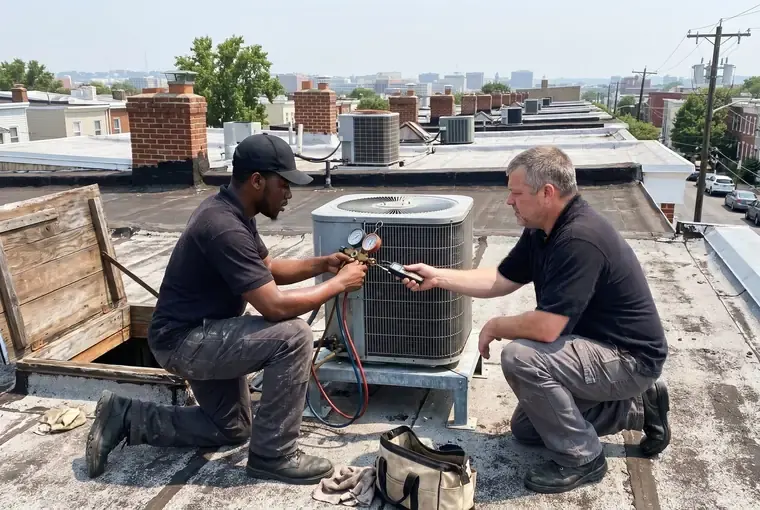
Heat pump repair starts with a $75 diagnostic fee, which is waived on the repair if you move forward. Sunday, after-hours and rooftop visits are $169 and are not waived.
Once we know what is actually wrong, the repair price depends on the part involved. A sensor or control setting is usually a simpler fix than a defrost board, reversing valve or sealed-system problem. We explain the fault, provide a price, and wait for your approval before any repair begins. Completed repairs carry a 30-day labor warranty.

Finding what failed tells us what the repair costs. Deciding whether that repair is worth making means looking at the rest of the system too, including its age, condition, repair history and what major components may be nearing the end of their life.
| Repair May Make More Sense | Replacement May Be Worth Comparing | |
|---|---|---|
| System age | The heat pump still has useful life ahead of it | The system is older and repairs are becoming more frequent |
| What failed | A sensor, control or other isolated component | A major component such as the compressor or sealed system |
| Repair history | This is the first significant problem | You have already paid for several repairs |
| Overall condition | The rest of the equipment is operating well | Multiple parts are showing wear at the same time |
| What happens next | Fix the fault and keep the system running | Price the repair and replacement so you can compare both |
What Nero's Heating & Air Checks That a Guess Cannot
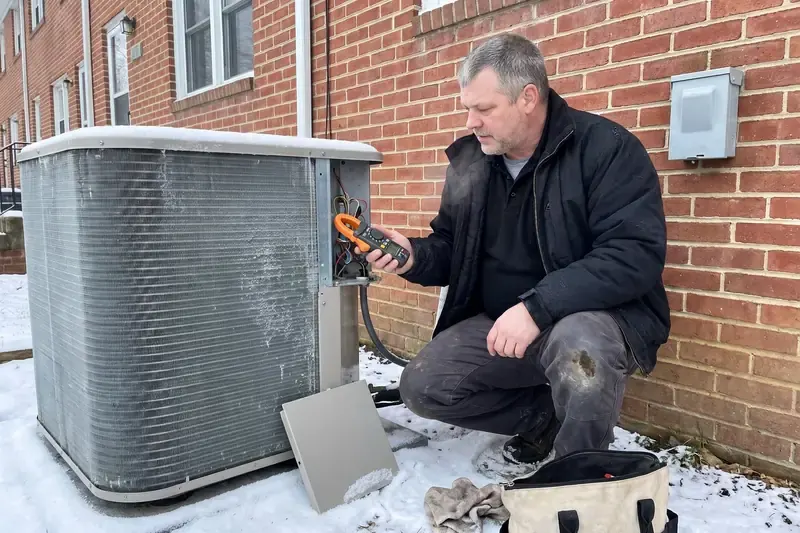
Auxiliary lockout, compressor lockout and the thermostat's staging between them decide when backup heat is allowed to run. A system using electric backup through a mild January may simply have the wrong settings, and correcting those settings can solve the problem without replacing a part.
The only way to know a defrost cycle completes is to be there while it runs and time it. We put the system through one and watch the coil clear rather than reading a fault code and guessing at the rest.
It heats and cools through the same components running in opposite directions, so a fault can show itself in one mode and hide completely in the other. Both modes get tested here, which is why the visit runs longer than a straightforward cooling call does.
Whether it started with the cold snap, whether the AUX light is on, and whether ice appears and clears or simply stays. Those three answers narrow it considerably.
Lockout temperatures, staging and how the backup is wired. This is the cheapest thing to get wrong and the cheapest thing to put right.
The system is forced through defrost while we watch the outdoor coil, because a cycle that starts and never finishes looks identical to one that works until you time it.
What failed, what it costs, and whether it is worth doing on a system of that age. Nothing starts until you have agreed to the number.
Heat pumps are common right across the newer parts of the region and are turning up steadily in older houses as systems get replaced. The towns below are where these calls come from most, though the list is a guide rather than a fence. If yours is missing, the call is still worth making.
If something feels off with the heat pump, you do not need to figure out the cause before getting in touch. Tell us what changed, and we will make sure you are booked for the right kind of visit.
Call us directly. We schedule around the day’s route and availability, so speaking with the team is the quickest way to find out when we can get someone to you.
Send the basics through the form and we will take it from there. You do not need model numbers, fault codes or a diagnosis to get started.
“Nero’s Heating & Air saved me in a pinch. I called and within an hour Julian was at my door and fixed my heat within 5 minutes. Unbelievable customer service. Very grateful for the quick response. Highly recommend to others.”
 Caleb Hart
Commonly twelve to fifteen years in this climate, a little less than a furnace manages, because the same equipment carries both seasons instead of resting through one of them.
Usually dust burning off the backup strips on their first run of the season. If it persists past the first few cycles, or smells electrical, it is worth having checked.
Warm water, never hot, and never while it is running. Better to switch it off and let defrost or a technician deal with it, since thermal shock cracks coils.
Yes. Output does fall as the outdoor air cools, which is precisely what the backup heat exists to cover, and modern units still pull usable heat from air well below freezing.
Generally no. Recovering from a setback tends to bring the expensive backup strips on, which cancels out most or all of whatever the lower overnight setting had saved you.