Skip to content


The water heater in your Cheverly home may be working normally, yet still leave the third shower of the morning cold. If the water starts hot but runs out during back-to-back showers, laundry, or dishwashing, the issue may be that the heater cannot recover hot water as quickly as your household uses it.
This becomes more noticeable during colder months, when incoming water is colder and the heater has to work harder to bring it back to the desired temperature. Understanding your household’s peak hot-water demand, the heater’s capacity and recovery rate, and the condition of the unit can help determine whether you need maintenance, a larger tank, a higher-recovery system, or a different water-heating setup.
Why Do You Keep Running Out of Hot Water When the Heater Works?

There is a difference between a heater that fails and one that simply cannot keep up. A failing unit shows leaks, rust in the hot water, no heat at all, or a pilot that will not stay lit. What you are describing is different: the water heats fine, it just runs out. That is a supply-and-demand problem, and the equipment is doing its job within its limits.
Two things set that limit. The first is usable capacity, which is less than the number on the tank because you do not drain it to the last cold gallon before the shower turns tepid. The second is recovery, how fast the burner reheats incoming cold water once the tank draws down. When your household outpaces both, you run cold mid-shower even though nothing has broken.
One caution before you settle on a capacity problem: a few failures look exactly like it. A cracked or broken dip tube lets incoming cold water mix into the top of the tank, so hot water runs out fast even though the burner works. On an electric tank, a failed lower heating element or thermostat leaves only the top of the tank heating, which sharply cuts usable hot water. Both call for water heater repair, not a bigger tank.
How Much Hot Water Should Your Household Have?
The number that matters most is first-hour rating, or FHR, which combines stored capacity with how fast the unit reheats during heavy use. A tank’s gallon figure alone can mislead you, because a slow-recovery unit and a fast one of the same size deliver very different amounts over a busy morning. Match FHR to your peak hour of demand, not to how many people live in the house on paper.
Much of the older housing in this part of Prince George’s County predates today’s larger fixtures and larger households, so a heater sized for the home’s original occupancy is often undersized now. The demand grew; the tank did not. Use the table below as a starting point, then adjust upward if showers overlap or a soaking tub is involved. These figures are typical, not precise, and simultaneous use changes them fast.
| Household size | Suggested first-hour rating | Why this figure |
|---|---|---|
| 1 to 2 people | 30 to 40 gallons | Covers back-to-back showers with a small margin |
| 3 to 4 people | 50 to 70 gallons | Handles staggered morning use and a dishwasher |
| 5 or more | 70 to 90 gallons | Absorbs overlapping showers and laundry |
| Any size with a soaking tub | Add 20 to 40 gallons | A large tub can empty a small tank alone |
What Is Recovery Time and Why Do You Run Out Faster in Winter?
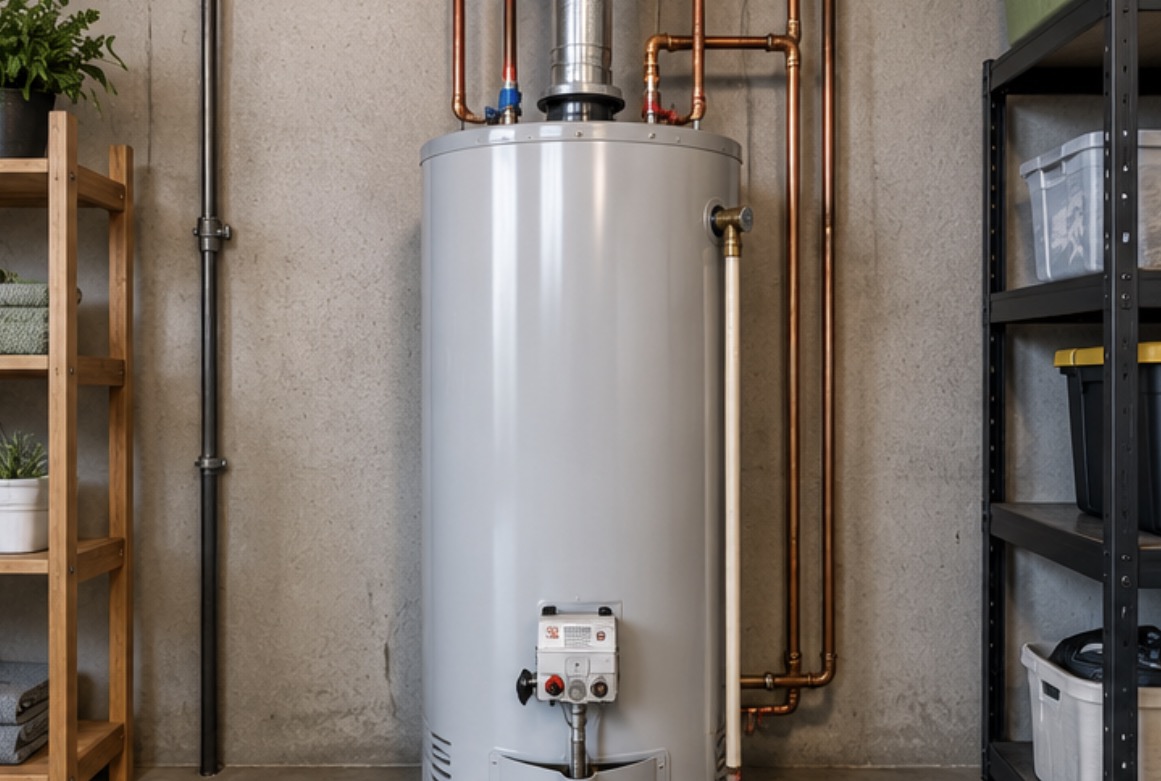
Recovery time is how long the heater takes to bring a tank of fresh cold water back to setpoint. It depends heavily on fuel: a typical gas burner recovers roughly 40 gallons per hour, so reheating a fully drawn 50 gallon tank takes about an hour, while a standard electric tank recovers closer to 20 gallons per hour and can take two hours or more. Exact figures vary with burner or element size and inlet water temperature. That difference explains why an electric tank the same size as a neighbor’s gas unit seems to run out sooner during a busy stretch.
Winter is where this bites. The water supply feeding the heater gets much colder in a DC-area winter, so incoming water is at its coldest from roughly December through February. Several things follow from that:
- A larger temperature climb from inlet to setpoint, which lengthens every recovery cycle
- Slower catch-up between the first shower and the next
- The same tank falling behind in January that coped fine in July
- Longer wait times before laundry or a dishwasher runs hot
- A false sense that the heater suddenly got worse when only the season changed
Should You Upsize, Switch to Tankless, or Replace Like-for-Like?
Once you know the shortfall is capacity and recovery, the question becomes which path fits your demand pattern. Getting the sizing right during water heater installation in Cheverly, MD is what separates a lasting fix from repeating the problem in a smaller way. Here is how the four common paths sort out.
When a Bigger Tank Solves It
If your trouble is a predictable morning rush of overlapping showers, a larger tank with a higher first-hour rating is usually the simplest answer. Moving from a 40 to a 50 or 66 gallon unit adds stored buffer and often a faster burner. It fits homes with peak-time overlap but modest total use, and it costs less to install than most alternatives. Space and venting have to allow the larger footprint.
When Tankless Makes Sense
A tankless unit heats water on demand and never empties, so it suits households with long or back-to-back showers spread across the day. The tradeoff is flow rate: a single unit delivers a set number of gallons per minute, and two high-flow uses at once, a shower plus a filling tub, can outrun it. In colder months the same inlet-water climb reduces its rated output, so size it for winter, not summer.
When Two Units or a Recirculation Setup Fits
Larger homes with fixtures far from the heater sometimes need more than one unit, or a recirculation loop that keeps hot water primed at distant taps. This addresses the long cold-water wait more than raw capacity, so it fits the complaint of hot water that arrives slowly rather than running out. It adds cost and controls, so it earns its place only when distance is the real issue.
When Replacing the Same Size Is the Right Call
If a heater is simply old, 8 to 12 years for most tanks, and coped fine until it started failing, a like-for-like replacement is reasonable. The catch is confirming demand has not outgrown the unit. Replacing an undersized tank with another undersized tank guarantees the same cold showers, just with newer parts.
The right replacement is not necessarily the largest or newest water heater. Matching capacity and recovery to the home’s actual peak demand helps address recurring cold showers while avoiding unnecessary equipment, installation complexity, or operating costs.
What Can You Check Before Calling Anyone?
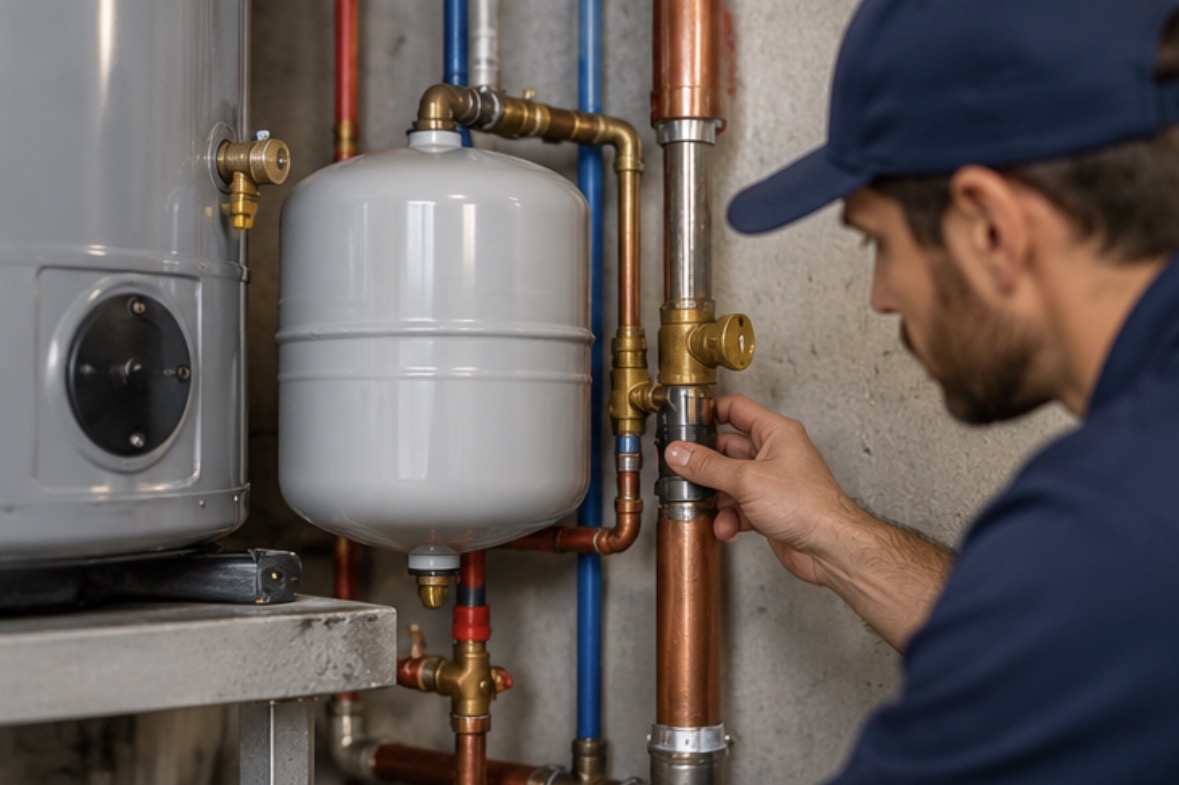
Some of this you can rule out yourself, safely, before deciding you need new equipment. The line is simple: settings, timing, and looking are fine; the burner, the gas connection, and the pressure relief valve are not homeowner territory. Start with the checks below and note what you find, because it tells whoever you eventually call whether the problem is demand, sediment, or the unit itself.
Here is what is safe and worth checking first:
- The setpoint dial, which is often left low from summer or a previous owner (about 120°F is the usual recommendation, and higher settings raise scald risk)
- Whether showers, laundry, and the dishwasher overlap in one hour
- Rumbling or popping sounds during heating, a common sign of sediment
- Rusty or cloudy hot water that clears at the cold tap
- The age on the manufacturer label against the 8 to 12 year range
Sediment matters because it settles at the tank bottom, displaces water volume, and insulates the burner, quietly stealing capacity and slowing recovery. Annual inspection and basic maintenance can catch and flush that buildup before you assume the tank is undersized. A flush sometimes restores enough performance to end the cold showers without any new unit at all.
Frequently Asked Questions
How many gallons does a family of four need?
A family of four with staggered showers is usually served by a 50 gallon gas tank or a 66 to 80 gallon electric one. The higher electric figure accounts for slower recovery. Long showers, a soaking tub, or simultaneous use can push the requirement higher regardless of family size, so match the unit to your busiest hour rather than headcount alone.
Does turning up the water heater temperature give me more hot water?
Raising the setpoint toward 130 degrees does stretch usable hot water, because you blend in more cold at the tap to reach a comfortable temperature. The catch is scald risk: water above 120 to 125 degrees at the fixture can burn quickly, especially for children. If a tank stores hotter, a thermostatic mixing valve should temper it back down at the taps.
Is tankless always better than a tank?
No. Tankless delivers endless hot water but only up to a fixed flow rate, so it handles back-to-back demand well and can struggle with two high-flow uses at once. For a household whose problem is overlapping morning showers, a larger tank is often simpler and less expensive. The right choice depends on whether demand is spread out or bunched together.
Why do we only run out of hot water in winter?
Incoming water in the DC area can drop into the 40s during winter, so the heater faces a larger temperature climb and recovers more slowly. The same tank that kept up all summer falls behind when inlet water is that cold. Nothing has broken; the season simply widened the gap between household demand and the unit’s recovery speed.
Can sediment cause us to run out of hot water?
Yes. Sediment settling at the bottom of a tank displaces water volume and insulates the burner from the water above it, which reduces usable capacity and slows reheating. You may hear popping or rumbling as it heats. Flushing the tank, part of routine maintenance, can restore some of that lost performance before you consider replacing the unit.
Why Choose Nero’s Heating & Air for Water Heater Service in Cheverly, MD
If your water heater works but cannot keep up with your household’s hot-water demand, the right solution starts with finding the cause. Nero’s Heating & Air can evaluate your usage, recovery needs, and existing system to determine whether maintenance, repair, or a different water heater size makes sense for your Cheverly home.
When replacement is the better option, our water heater installation service focuses on matching the equipment to your household’s actual hot-water demand. Proper sizing helps prevent replacing an undersized system with another unit that leaves you facing the same cold-water problem.
If you are tired of running out of hot water during showers, laundry, or other daily use, call Nero’s Heating & Air at (202) 750-9543 to schedule an evaluation and discuss the right solution for your home.