Skip to content


A heat pump can cool your Cheverly home in summer and heat it in winter using the same refrigeration cycle. Instead of creating heat through combustion, it moves heat between your home and the outdoors, with a reversing valve changing the direction of refrigerant flow when the system switches modes.
That two-way operation can seem unusual if you are used to a separate furnace and air conditioner. Understanding what happens in each mode also helps you recognize normal behavior, such as longer heating cycles or an outdoor unit releasing steam during defrost, versus symptoms that warrant professional service.
How Does One System Both Heat and Cool Your Home?
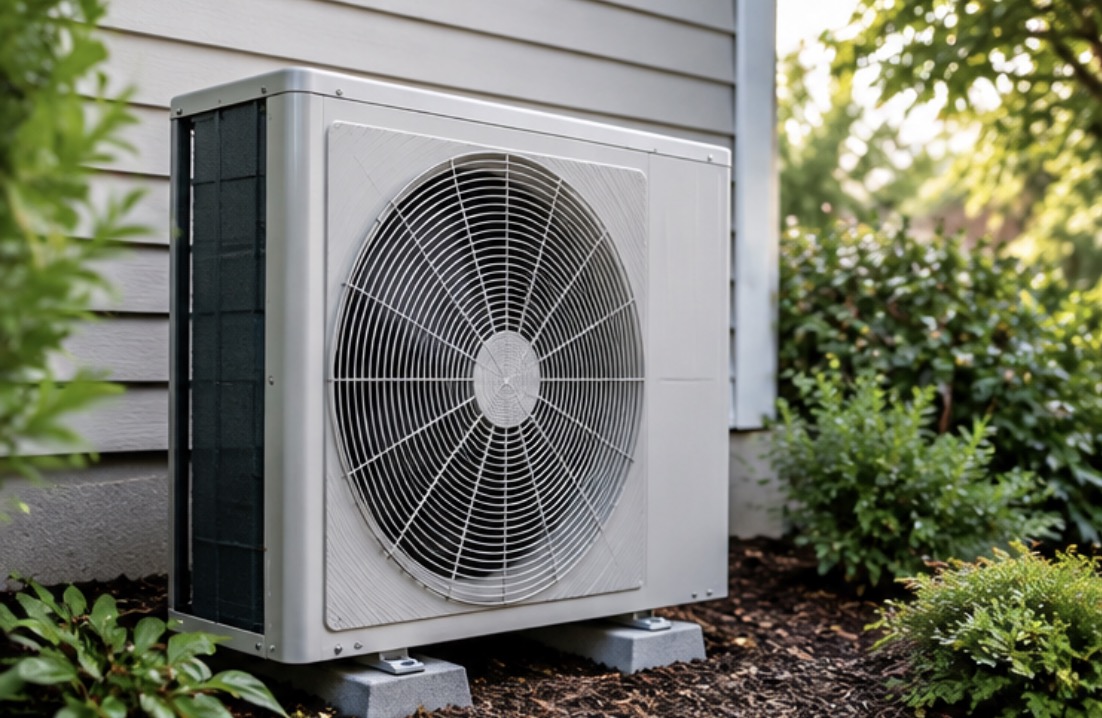
The basic principle is heat transfer. In cooling mode, refrigerant absorbs heat from indoor air at the indoor coil and carries that heat outside, where it is released through the outdoor coil. The process is similar to how a conventional air conditioner removes heat from your home.
When the thermostat calls for heat, the reversing valve changes refrigerant direction. The outdoor coil becomes the evaporator and extracts available heat from outdoor air, while the indoor coil releases that heat into your home. The compressor raises the refrigerant’s pressure and temperature so the captured heat can be delivered indoors.
What Changes Between Cooling and Heating?
| Heat Pump Mode | Where Heat Is Collected | Where Heat Goes |
|---|---|---|
| Cooling | Indoor air | Outdoors |
| Heating | Outdoor air | Indoors |
| Defrost | Indoor system heat | Outdoor coil |
The outdoor temperature does not need to be warm for the system to extract heat. Even cold outdoor air contains thermal energy. As temperatures fall, however, the heat pump has to work harder to collect and transfer enough heat, which affects its capacity and operating time.
How Does a Heat Pump Make Heat When It Is Cold Outside?
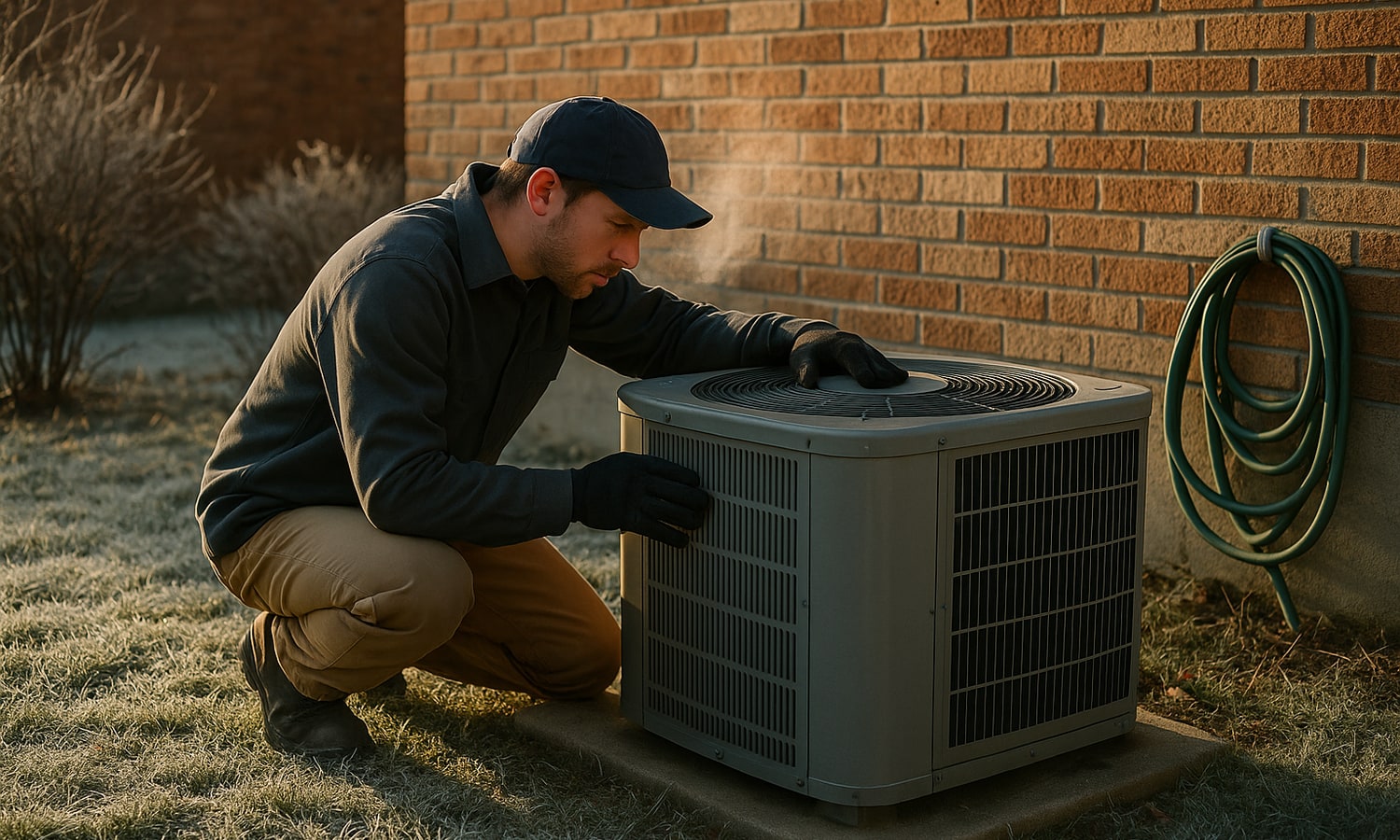
A heat pump can still extract usable heat from outdoor air even when temperatures feel cold. The refrigerant circulating through the outdoor coil reaches a temperature low enough to absorb available heat, then the compressor increases its pressure and temperature before that heat is transferred indoors.
Unlike a gas furnace, a heat pump does not create heat through combustion. It moves thermal energy from one place to another, which is why heating capacity and efficiency gradually change as outdoor temperatures fall rather than stopping simply because the weather is cold.
Why Heat Pump Air Feels Cooler Than Furnace Air
A heat pump typically delivers supply air around 90°F to 110°F, while a conventional furnace can produce considerably hotter air. As a result, the airflow from a heat pump may feel less intense even when the system is heating the home properly.
Longer, steadier heating cycles are normal for heat pumps. If your home reaches and maintains the thermostat setting, cooler-feeling supply air does not necessarily indicate a performance problem.
What Happens During a Heat Pump Defrost Cycle
During winter operation, moisture can freeze on the outdoor coil and restrict heat transfer. The system periodically enters a defrost cycle, temporarily reversing its operation to warm the outdoor coil and melt accumulated frost.
During this process, homeowners may hear a change in operating sound, see water draining from the outdoor unit, or notice what looks like steam rising around the coil. These can all be normal parts of the defrost process, particularly during damp, near-freezing weather.
Heavy ice that remains on the outdoor coil, repeated defrosting, or continued difficulty maintaining indoor temperature is different. Those symptoms can indicate an airflow restriction, refrigerant issue, sensor problem, drainage concern, or another equipment fault that requires professional diagnosis. Do not chip ice off the coil or pour hot water on it, since both can damage the fins and refrigerant tubing. If the house is getting cold, switch to emergency heat and schedule service.
How Outdoor Temperature Affects Performance
Heat pumps do not have one fixed heating capacity at every outdoor temperature. As outdoor temperatures decrease, the amount of heat available for extraction decreases, and the compressor may need to operate longer to maintain indoor comfort.
Modern cold-climate heat pumps can continue producing useful heat at temperatures well below freezing, but the exact performance depends on the equipment model, system design, and installation. The manufacturer’s published capacity data is more useful than assuming every heat pump performs identically.
For Cheverly homeowners, proper equipment selection matters because Maryland winters include both moderate days and colder periods. A system should be selected based on the home’s heating load and the equipment’s rated performance, rather than choosing a unit simply because it has a high nominal capacity.
What Is Auxiliary Heat and When Does It Come On?
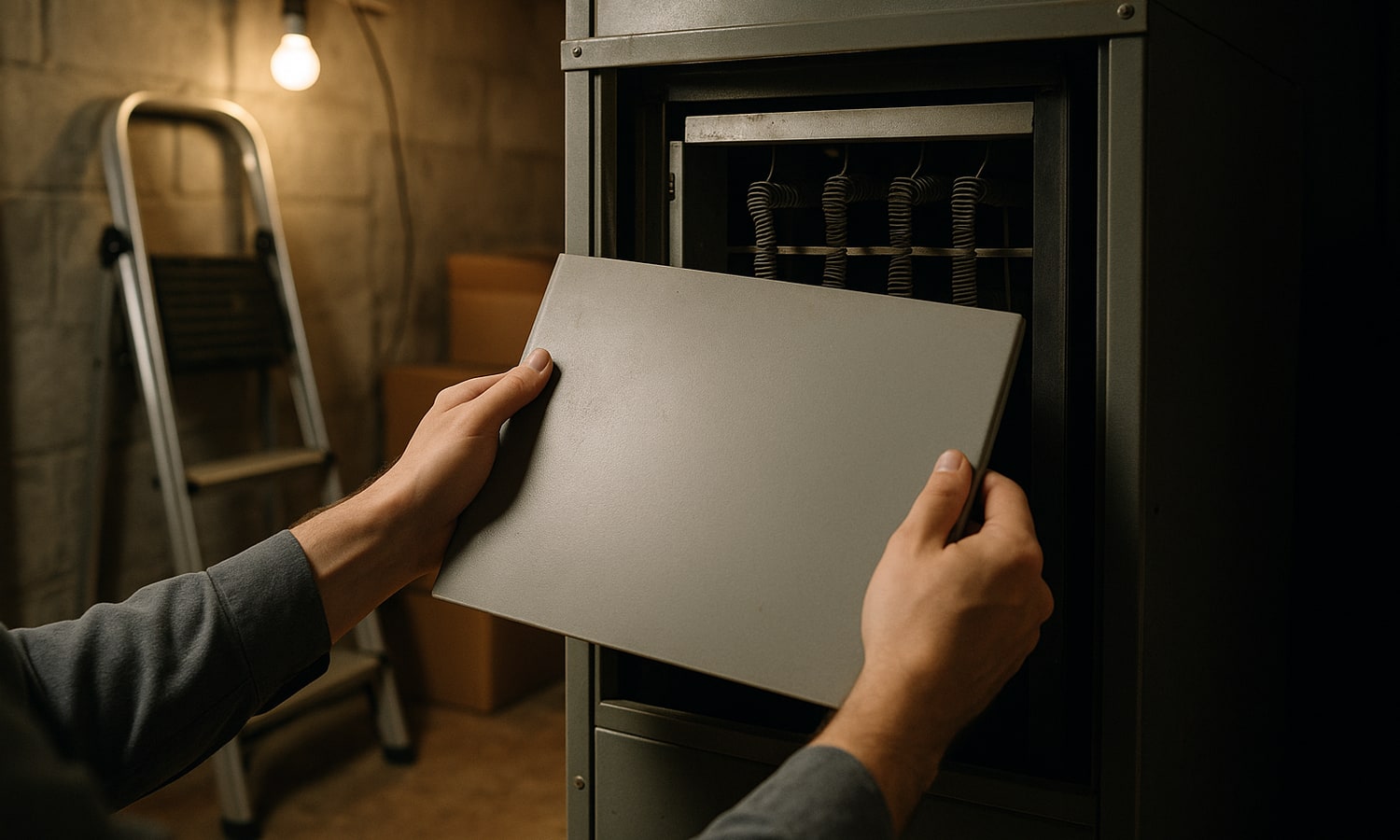
Auxiliary heat provides additional heating when the heat pump needs help maintaining the thermostat setting. In many electric heat-pump systems, auxiliary heat comes from electric resistance heating elements located in the indoor air handler.
Auxiliary heat may operate during colder outdoor conditions, recovery from a significant thermostat setback, or periods when the heat pump cannot satisfy the heating demand quickly enough. The exact temperature or conditions that activate it depend on the thermostat, equipment, and system controls.
Seeing “AUX HEAT” occasionally on your thermostat does not automatically mean something is wrong. However, if auxiliary heat operates almost continuously during ordinary winter weather, the system should be evaluated for sizing, airflow, controls, refrigerant, insulation, or other issues.
Auxiliary Heat vs. Emergency Heat
These two thermostat settings are not the same. Auxiliary heat works with the heat pump when additional capacity is needed, while emergency heat is a manual setting designed to provide heat when the heat pump’s compressor cannot operate.
| Thermostat Display | What It Means | Homeowner Response |
|---|---|---|
| AUX HEAT | Supplemental heat is assisting the heat pump | Usually normal when needed |
| EM HEAT | Backup heat is operating without the compressor | Use only when the heat pump has failed, then schedule service |
| HEAT | Heat pump is providing normal heating | Normal operating mode |
Emergency heat generally uses electric resistance heat, which can consume substantially more electricity than normal heat-pump operation. If your system remains in emergency heat or you need to activate it repeatedly, have the heat pump diagnosed rather than treating emergency heat as the normal winter setting.
How Can Older Cheverly Homes Affect Heat Pump Performance?
The heat pump is only one part of the heating system. In an older Cheverly home, insulation levels, windows, ductwork, air leakage, and the home’s heating load can affect how well the equipment maintains temperature.
Leaky or undersized ducts can reduce the amount of conditioned air reaching living spaces. Poor insulation can also increase the heating demand, forcing the heat pump to run longer and potentially rely on auxiliary heat more often.
That is why a proper heat pump installation for an older Cheverly home should consider the home’s existing ductwork and insulation rather than selecting equipment based only on the size of the previous system.
How Should You Maintain a Heat Pump That Runs All Year?
Because a heat pump provides both cooling and heating, it operates during most of the year rather than sitting idle through one season. That makes routine maintenance useful for catching airflow, electrical, refrigerant, drainage, and control problems before they affect comfort.
For Cheverly homeowners, scheduling heat pump maintenance in spring and fall gives the system a check before the two main operating seasons. A technician can evaluate cooling operation before summer and heating operation before colder weather, when problems are more disruptive.
Homeowners should also keep up with basic maintenance between professional visits:
- Check the filter regularly: A restricted filter can reduce airflow and make the system work harder.
- Keep the outdoor unit clear: Leaves, grass, and other debris can restrict airflow through the coil.
- Keep snow off the unit in winter: Clear drifting snow from around the base so defrost water can drain away.
What Should Cheverly Homeowners Expect From a Heat Pump Throughout the Year?
A heat pump changes operating modes as the seasons change, but homeowners should not need to manually manage the equipment every few months. In normal operation, the thermostat determines whether the system needs to cool or heat the home.
| Season | Typical Heat Pump Operation | What Homeowners May Notice |
|---|---|---|
| Spring | Cooling begins as temperatures rise | Longer cooling cycles on warmer days |
| Summer | Regular cooling and dehumidification | Outdoor unit runs frequently |
| Fall | Heating operation returns | Longer heating cycles as temperatures fall |
| Winter | Heating with occasional defrost | Cooler supply air and occasional steam outside |
The exact timing varies with weather and thermostat settings. A heat pump may switch between heating and cooling during mild spring or fall weather, particularly when outdoor temperatures fluctuate significantly between daytime and nighttime.
If the system maintains the indoor temperature without unusual cycling, persistent ice, weak airflow, or excessive auxiliary heat, these seasonal changes are generally part of normal operation. Problems become more important when a behavior is frequent, prolonged, or noticeably different from the system’s usual operation.
When Should a Cheverly Heat Pump Be Professionally Checked?
Some changes in operation are worth having a technician investigate rather than assuming they are normal heat-pump behavior. Persistent performance problems can increase operating costs and may place additional strain on components if the underlying issue is left unresolved.
Schedule professional service if you notice:
- The heat pump cannot maintain the thermostat setting.
- AUX HEAT operates for unusually long periods.
- The outdoor coil stays heavily covered in ice.
- Airflow becomes noticeably weaker.
- The system repeatedly starts and stops within short periods.
- Energy use changes significantly without an obvious explanation.
- New electrical, grinding, buzzing, or refrigerant-related symptoms appear.
During heat pump repair, a technician can test the system in the mode where the problem occurs and compare operating conditions with the equipment’s specifications. That is more useful than replacing parts based solely on a symptom.
Frequently Asked Questions
Why is my heat pump blowing cool air in heating mode?
Heat pump supply air is warm but milder than furnace air, so it can feel cool to the hand even while the system is heating properly. If the house holds the thermostat setting, that is normal. If rooms keep getting colder or the air is truly cold, the unit may be stuck in defrost, low on refrigerant, or not switching into heating.
Is steam coming from my outdoor unit normal?
Usually, yes. During a defrost cycle, the system briefly warms the outdoor coil to melt frost, and that melting ice can release visible vapor on cold, damp days. It should stop within several minutes. Smoke, a burning smell, or heavy ice that never clears is not normal and needs service.
When should I switch the thermostat to emergency heat?
Only when the heat pump itself has stopped working, such as a failed compressor or an outdoor unit that stays encased in ice. Emergency heat runs on electric resistance heat, which costs considerably more to operate, so treat it as a short-term backup and schedule service rather than leaving it on.
Do heat pumps work during Maryland winters?
Yes. Modern heat pumps keep producing useful heat well below freezing, and cold-climate models are rated for even lower temperatures. On the coldest nights, auxiliary heat may help the heat pump keep up. Correct sizing and sound ductwork make the biggest difference in how often that backup is needed.
How often should a heat pump be serviced?
Because a heat pump heats and cools, it builds up operating hours in both seasons. Many homeowners schedule a visit in spring before cooling season and in fall before heating season. At minimum, have it checked once a year, and change or clean the filter regularly in between.
Why Choose Nero’s Heating & Air for Heat Pump Services in Cheverly?
A heat pump should provide dependable heating and cooling without leaving homeowners guessing about what the system is doing. Nero’s Heating & Air can evaluate heat-pump operation, including airflow, controls, heating and cooling performance, and the components that affect reliable year-round operation in Cheverly.
If you are considering a new system, proper equipment selection is especially important for homes with older insulation or ductwork. Our heat pump installation and replacement service can help determine what equipment and installation approach fit the home.
If your heat pump is not maintaining temperature, frequently uses auxiliary heat, or is showing other unusual behavior, call Nero’s Heating & Air at (202) 750-9543 to schedule an evaluation before a minor issue becomes a larger heating or cooling problem.