



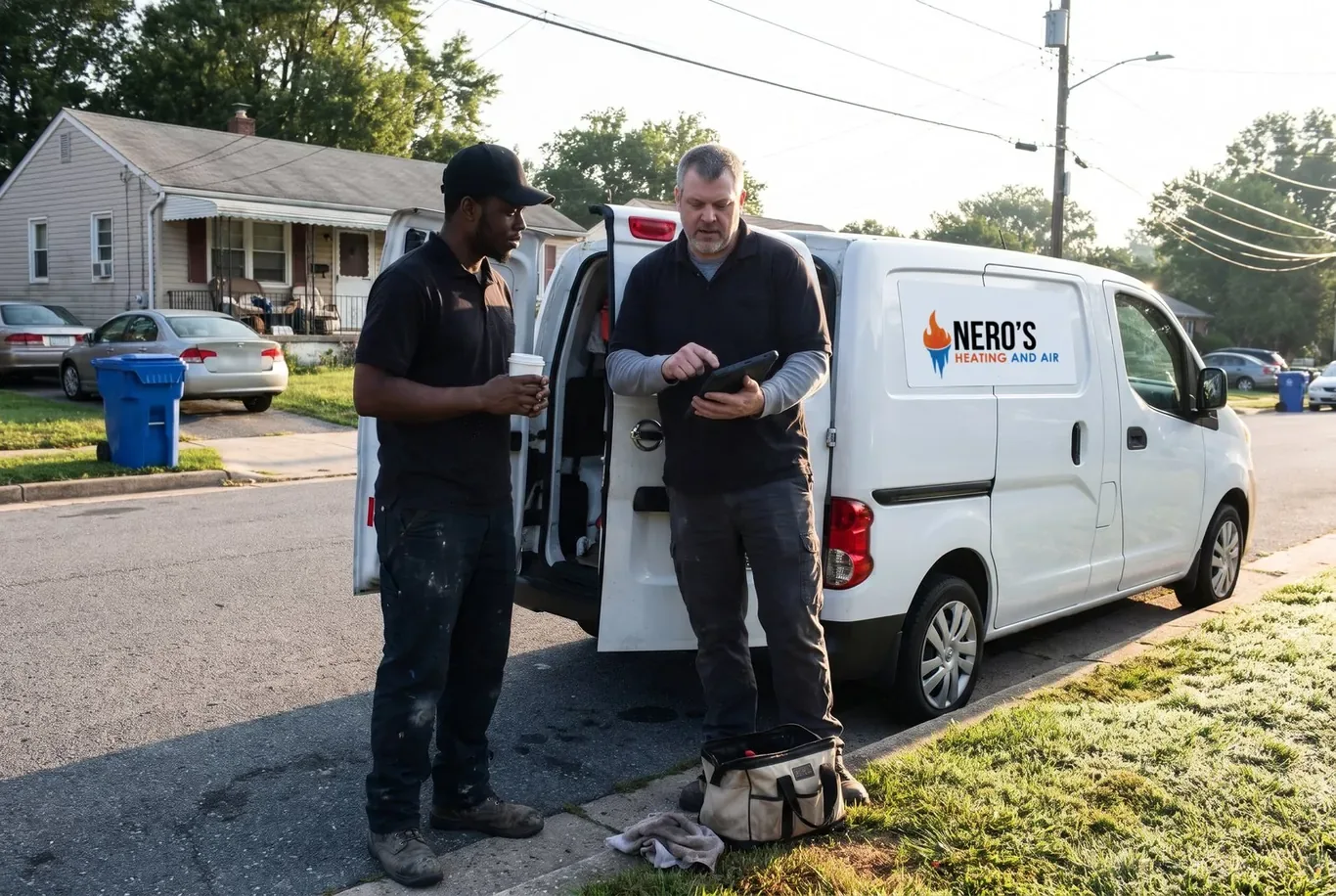
Failed Part
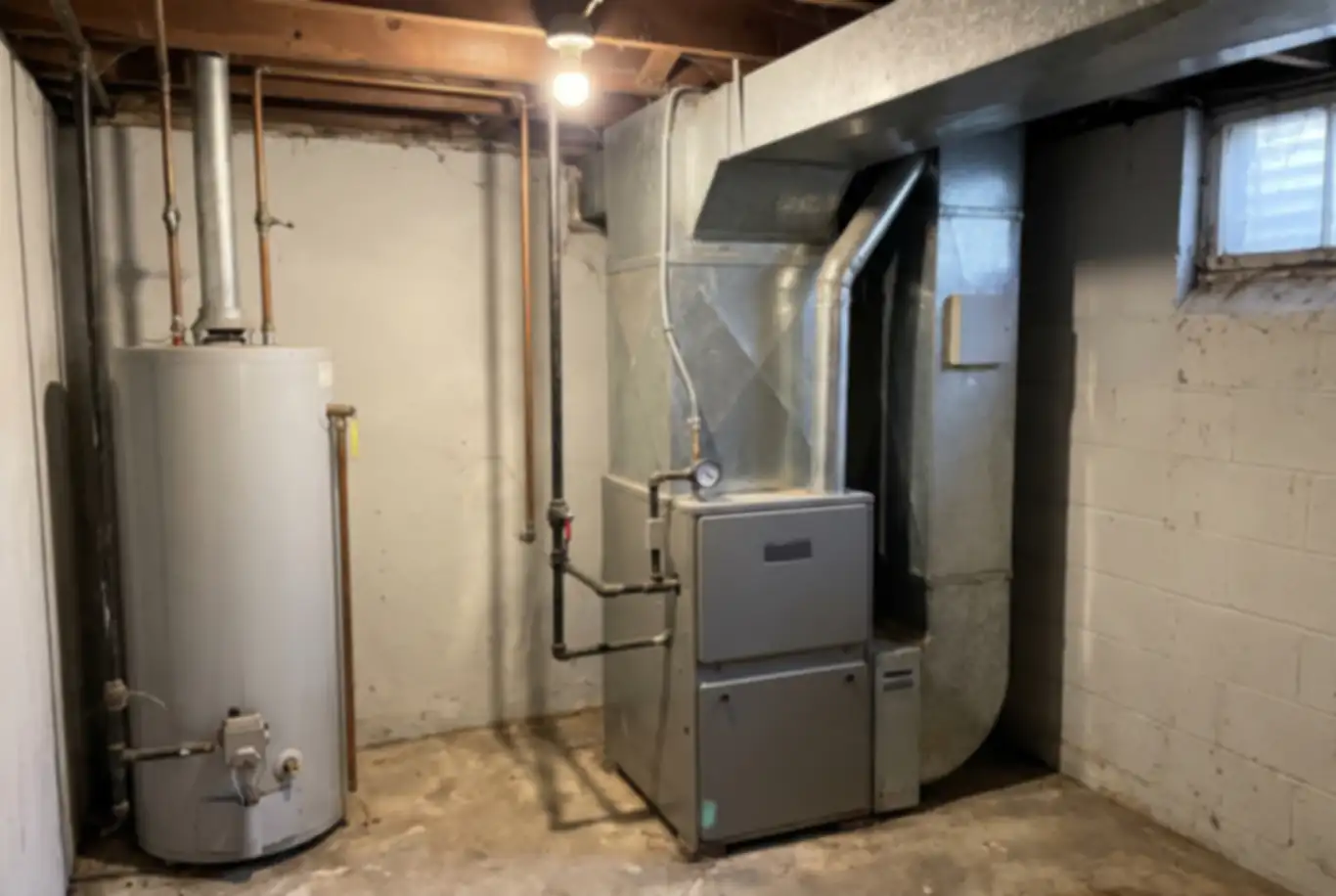
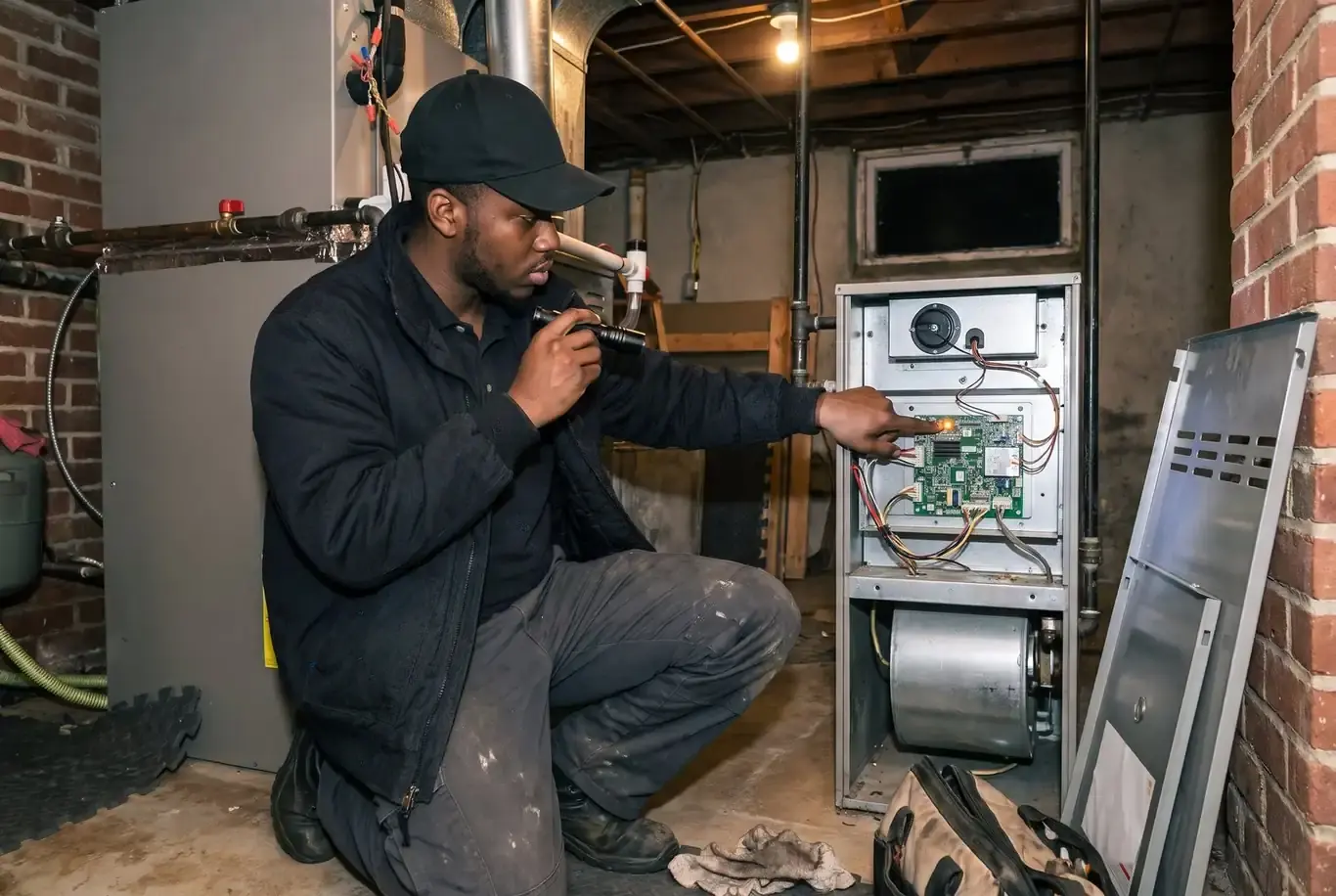
Sensors, ignitors and switches are small parts with short repair times. An inducer motor, blower motor or gas valve takes longer to reach and replace, and a heat exchanger means opening up most of the cabinet.
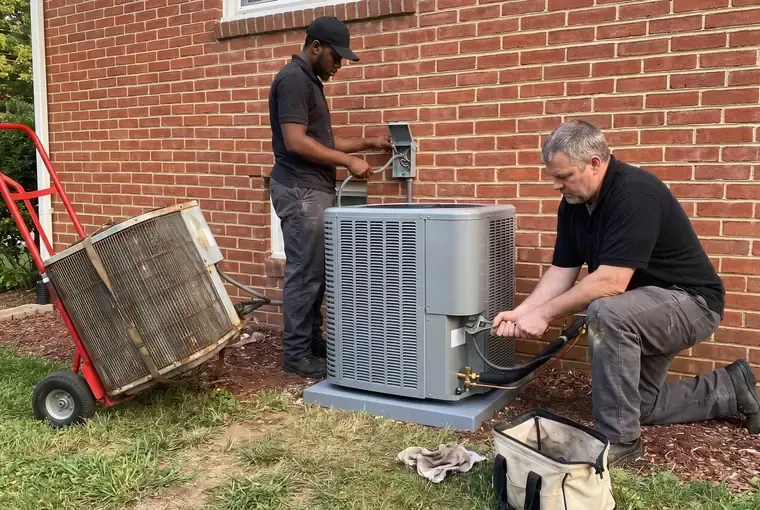
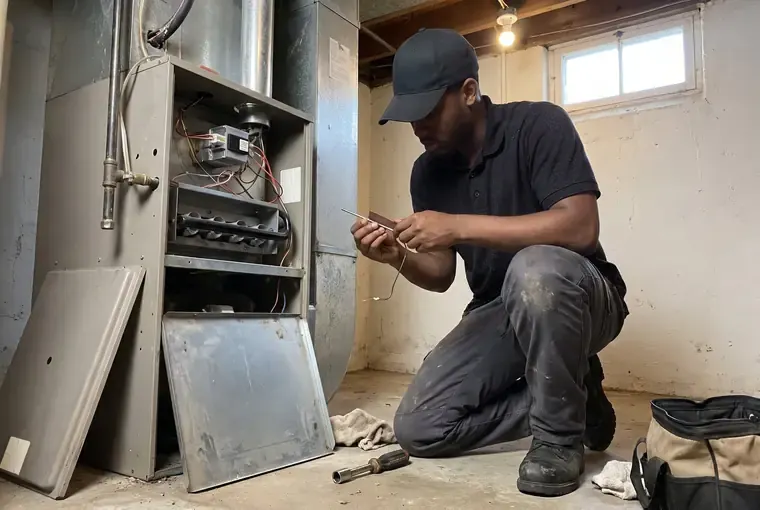
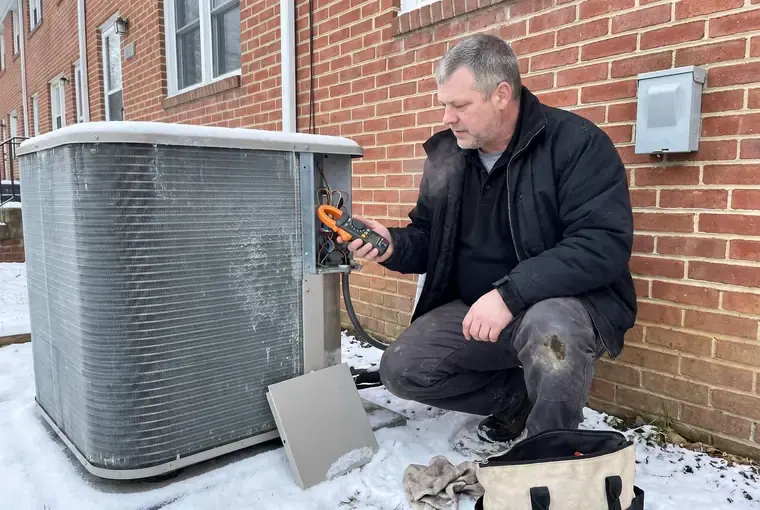
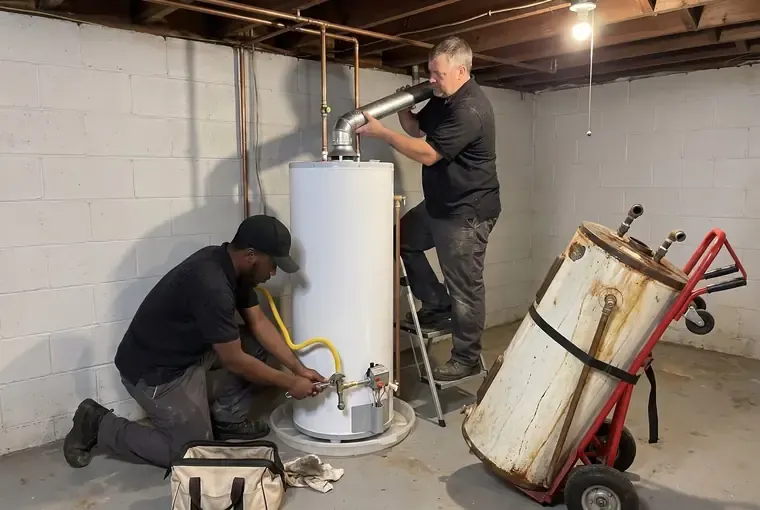
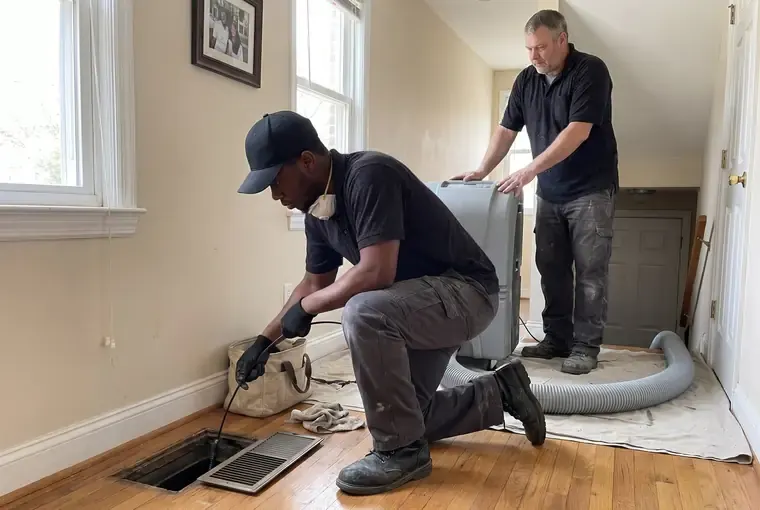
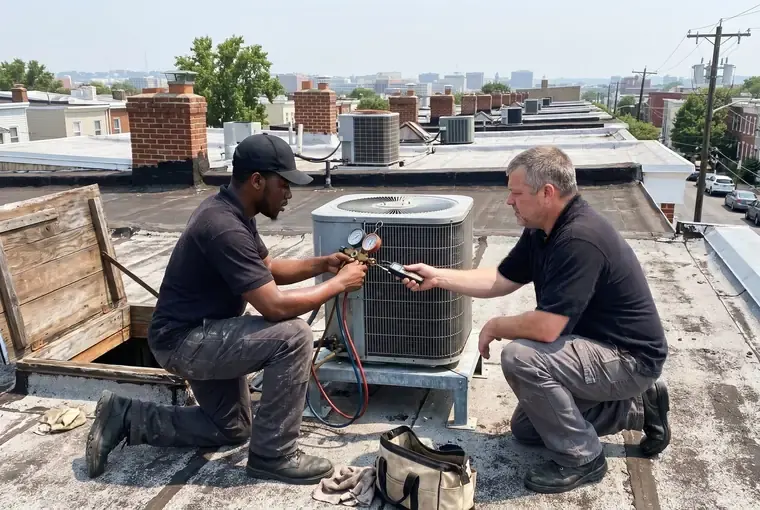

Furnace repair pricing for DC, Maryland and Northern Virginia homes
Most DMV furnaces burn natural gas and sit quiet from May to October. Then the first week of 30-degree nights arrives, and they’re called on hard. That restart is when sensors, ignitors and switches tend to give out. Your total depends on the failed part, how easy the furnace is to reach and whether it’s still worth fixing. Here’s what common repairs cost, and what Nero’s Heating & Air charges to find the problem.
Most furnace repairs in Washington, DC, Maryland and Northern Virginia cost $150 to $650, while a cracked heat exchanger runs about $1,700 to $3,200. At Nero’s Heating & Air, the $75 diagnostic is waived when you go ahead with the repair.
The diagnostic finds the fault. The repair price comes next, and you’ll hear it before a single part is swapped. Every other Nero’s Heating & Air fee, from duct cleaning to maintenance plans, is listed together.
| Item | Price |
|---|---|
| Diagnostic visit | $75 |
| Sunday, after-hours or rooftop visit | $169 |
| Common furnace repairs | $150–$650 |
| Motors and gas valves | $350–$1,200 |
| Heat exchanger | $1,700–$3,200 |
| Labor warranty on repairs | 30 days |
Clicking but no flame? Heat that quits after a minute? Cold air from the vents? Each one points to a different part. Your technician asks what the furnace has been doing, then tests until the culprit turns up. You hear what’s wrong, what the fix involves and what it costs.
Nothing gets replaced until you say yes. Want it in writing? Just ask. Go ahead with the repair and the diagnostic comes off your bill. If the furnace isn’t safe to run, that’s the first thing you’ll hear.
Sensors, ignitors and switches are small parts with short repair times. An inducer motor, blower motor or gas valve takes longer to reach and replace, and a heat exchanger means opening up most of the cabinet.
High-efficiency furnaces vent through PVC pipe and drain water through a condensate line. When that line clogs, a pressure switch shuts the burners down, a common fix that costs little. Their extra parts can also push bigger repairs higher.
Parts for a furnace past fifteen years get harder to source and slower to arrive. Older units also tend to fail one part after another.
A basement furnace with open space around it is the quickest job. A unit wedged into a townhouse closet, an attic or a crawl space takes more labor for the same repair.
Sometimes one failure takes another part with it, like a weak capacitor that burns out a blower motor. Two parts cost more than one, which is why the diagnostic checks the whole chain.
A weekday call uses the standard diagnostic. Sundays, nights and rooftop units carry the $169 fee instead of the diagnostic, not on top of it.
| Repair | Typical cost in the DMV |
|---|---|
| Flame sensor, cleaned or replaced | $120–$300 |
| Hot surface ignitor | $150–$400 |
| Condensate drain or pump | $100–$350 |
| Limit switch | $100–$375 |
| Pressure switch | $150–$350 |
| Blower capacitor | $120–$350 |
| Thermostat | $100–$350 |
| Control board | $300–$800 |
| Gas valve | $350–$900 |
| Blower motor | $350–$1,200 |
| Draft inducer motor | $400–$1,200 |
| Heat exchanger | $1,700–$3,200 |
Market estimates for the DC, Maryland and Northern Virginia area. Your exact price comes once the diagnostic pinpoints the failed part.
For most furnace faults, repair wins easily. A cracked heat exchanger changes that. It can let combustion gases into your airflow, so we always quote a new furnace next to the repair.
Not sure which side you’re on? Ask three questions:
One yes means it’s worth seeing both prices. Two or more, and a new furnace usually comes out ahead.
When a new furnace makes more sense, the estimate for furnace replacement is free and binding once you sign it.
Repairs are usually paid at the visit. If yours turns into a replacement, GreenSky financing lets you pay for the new furnace in monthly installments. Qualified customers can get promotional rates, and your final rate depends on your application and approval.
First, check that the thermostat fan is set to auto, not on. If it is, a failed ignitor, a dirty flame sensor or a tripped safety switch is the usual cause. Those fixes run about $100 to $400.
Often, yes, if the house is holding its temperature and there’s no gas smell. Many callers choose a weekday visit to skip the $169 after-hours fee. If you need help tonight, call and our team will work to get someone out quickly. If you smell gas, leave the house and call your gas utility first.
A dusty smell for the first few minutes of the season is normal. It’s dust burning off the heat exchanger. A smell that lingers, or smells electrical, means turn the furnace off and call. An overheating blower motor is a common cause, at about $350 to $1,200.
A dirty flame sensor or a clogged condensate line tripping the pressure switch are the usual causes. Both are lower-cost fixes, roughly $100 to $350. If the furnace is overheating and tripping its limit switch, check the filter first.
It can be. A crack can let combustion gases, including carbon monoxide, into the air you breathe. Once one is found, the furnace should stay off until it’s repaired or replaced. A working carbon monoxide detector near the bedrooms is your backup.
Most part swaps take under two hours once the fault is found. A heat exchanger, or a part that has to be ordered, can take a few days.
Ready to get the heat back on? Book furnace repair with our local team, or see our emergency heating service for nights and Sundays. Heat with a heat pump instead? See heat pump repair costs part by part.
Tell us what your furnace is doing. A technician from our local team tracks down the failed part, explains the fix and gives you the price before any work starts.