





Gas or Electric
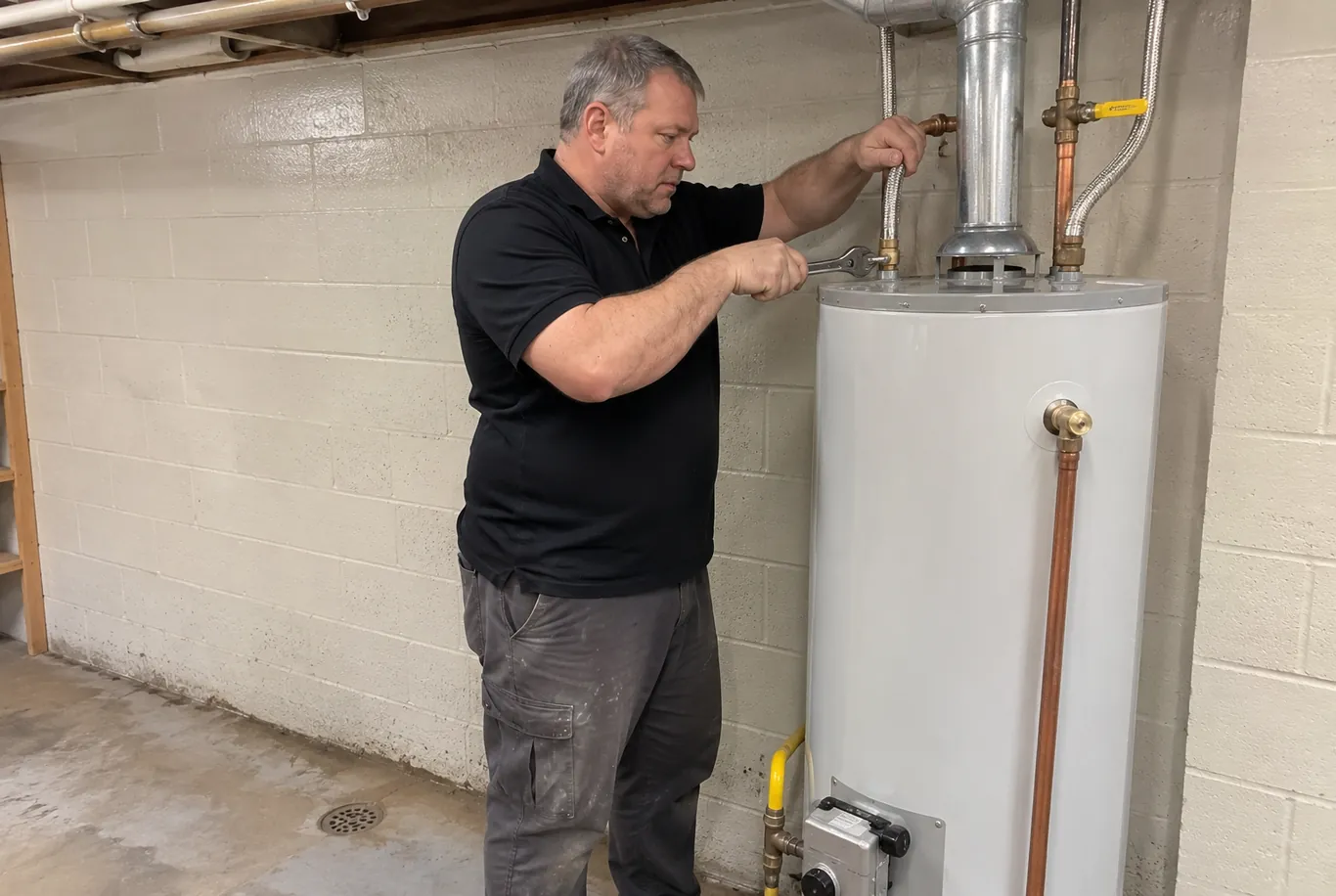
An electric tank is the simplest swap, with no flue or gas line to work around. Gas costs more to install, but it heats water back up faster, which helps a busy household.
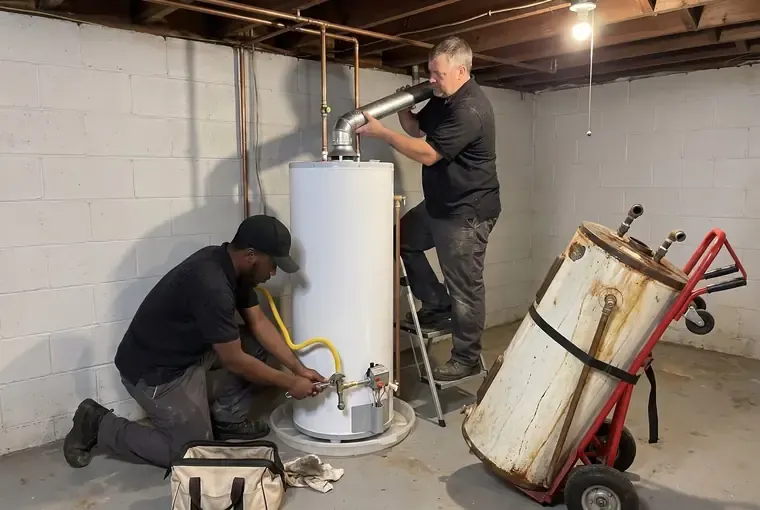

Water heater installation pricing for DC, Maryland and Northern Virginia homes
Every shower, load of laundry and sink of dishes depends on your water heater, so a new one is worth pricing with care. The installation cost depends on the type you choose, the fuel it runs on, the size your household needs and what the venting requires. Nero’s Heating & Air prices all of it at a free home visit.
Most water heater installations in Washington, DC, Maryland and Northern Virginia cost $900 to $2,500 for a standard tank. Gas tankless systems run about $1,400 to $4,000, and the top of that range covers a switch from a tank, when the gas line and venting change too. Nero’s Heating & Air sets your price at a visit to your home.
| Water heater | Installed price in the DMV |
|---|---|
| Electric tank, 40 to 50 gallons | $900–$1,800 |
| Gas tank, 40 to 50 gallons | $1,200–$2,500 |
| Gas tankless, replacing a tankless | $1,400–$2,800 |
| Gas tankless, switching from a tank | $2,500–$4,000 |
Market estimates for the DMV area. The price for your home comes from the estimate visit.
A water heater replacement estimate costs you nothing. One of our technicians looks at what feeds and vents your current heater and asks how your household uses hot water. Then you see every option that fits, tank and tankless, each with its price. That price becomes binding once you sign, so gas line or venting work can’t surface later.
Already holding another quote? Compare the two line by line. A quote that leaves out venting, valves or haul-away rarely stays the lower number.
An electric tank is the simplest swap, with no flue or gas line to work around. Gas costs more to install, but it heats water back up faster, which helps a busy household.
A 40-gallon tank suits one or two people, and 50 gallons fits most families of three or four. Larger 75-gallon and power-vent tanks sit at the top of the tank range. If your family runs out of hot water halfway through morning showers, size may be the reason. Tankless units are sized by how many taps run at once, not by gallons.
A standard gas tank vents into your existing flue. Tankless and power-vent models need new sealed venting through a wall or roof. Many older DMV homes have one masonry chimney shared by the furnace and water heater. Once a new high-efficiency furnace vents through PVC instead, that chimney may need a liner so the water heater still drafts safely.
A gas tankless unit burns several times more gas while it runs than a typical tank. Many older homes have a half-inch supply line that has to be upsized, often to three-quarter inch, before tankless can go in.
A basement heater with room around it is the quickest job. One tucked into a townhouse closet, an attic or a crawl space takes longer to remove and set. An attic install also needs a drain pan underneath.
Some homes need extras to meet today’s plumbing and gas codes, such as a thermal expansion tank or a new relief valve line. When your setup calls for them, they’re listed in the estimate.
Tankless costs more up front, so its value depends on your hot water use and how long you plan to stay. The U.S. Department of Energy rates tankless units 24% to 34% more efficient than a tank in a home using about 41 gallons a day. They also tend to last longer.
| Side by side | Tank | Tankless |
|---|---|---|
| Installed price | $900–$2,500 | $1,400–$4,000 |
| Typical lifespan | 10 to 15 years | 20 years or more |
| How it heats | Keeps 40 to 50 gallons hot all day | Heats water only when a tap opens |
| Best fit | Smaller households and tighter budgets | Busy households staying put for years |
So a family of five planning to stay a decade gets the most back from tankless. For a couple in a first home, a well-sized tank is often the smarter spend.
The smartest repair-or-replace call starts with one detail on your water heater’s label, the year it was made. Look for a manufacture date on the sticker. No date showing? It’s usually coded into the serial number, and our technician can read it for you.
When the label points to a fix, see what water heater repairs cost for each common part.
Financing through GreenSky turns your water heater purchase into monthly payments. That helps most when a tank fails before the budget is ready. Promotional rates are open to customers who qualify, and GreenSky sets your final rate when it approves the application.
High-efficiency models sometimes qualify for utility rebates through EmPOWER Maryland or the DC Sustainable Energy Utility. Ask about current offers at your estimate.
Usually a few hours. A like-for-like tank swap is often done the same day it starts. Switching from a tank to tankless takes longer, since new venting and often a larger gas line are part of the job. Plan on a full day.
Moving it usually adds $500 to $1,500 to the install. Water lines, gas, venting and the drain all have to reach the new spot. The distance and the path decide the price.
Yes, two of them. The manufacturer covers the tank or heat exchanger, often for 6 to 12 years depending on the model. Nero’s Heating & Air adds a one-year labor warranty on the installation.
Only a little. Stepping up from 40 to 50 gallons usually adds about $100 to $300 in equipment, and the labor stays about the same. For a family of three or more, those extra gallons often mean fewer cold showers.
Usually, yes. A tankless unit mounts on the wall, so it often stays in the same room and frees up the old tank’s floor space. What matters is whether the gas line and new venting can reach that wall.
Ready to go ahead? Book water heater installation with our local team, or compare it with the rest of our pricing.
Tell us what your old heater is doing and who’s sharing the hot water. We’ll look at the setup, price both types side by side and give you a number you can hold us to.