






Head Count
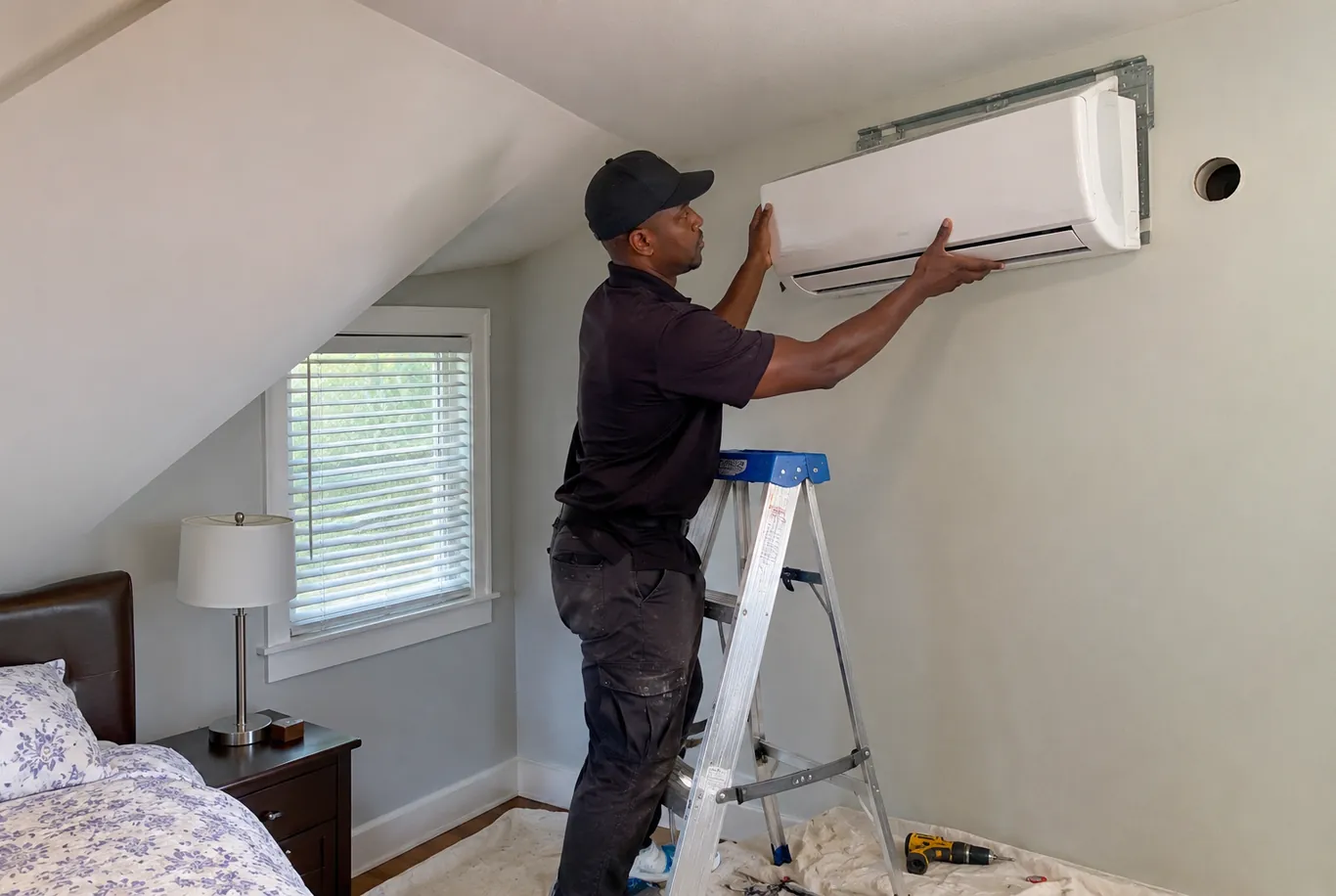
Each extra zone adds an indoor head, another line set and more labor. A second or third head usually adds roughly $2,000 to $3,000 to the system.

Ductless mini split pricing for DC, Maryland and Northern Virginia homes
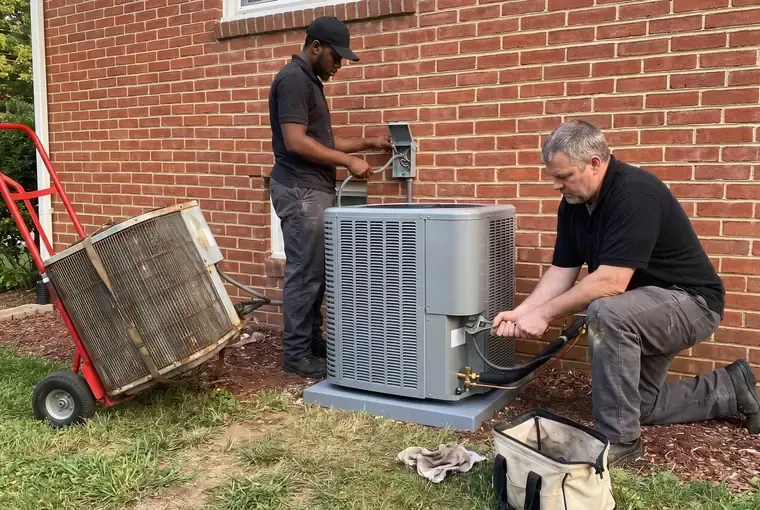
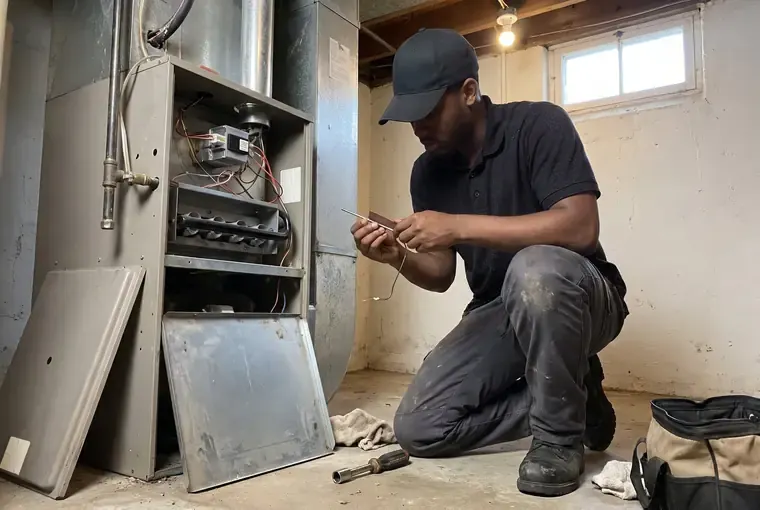
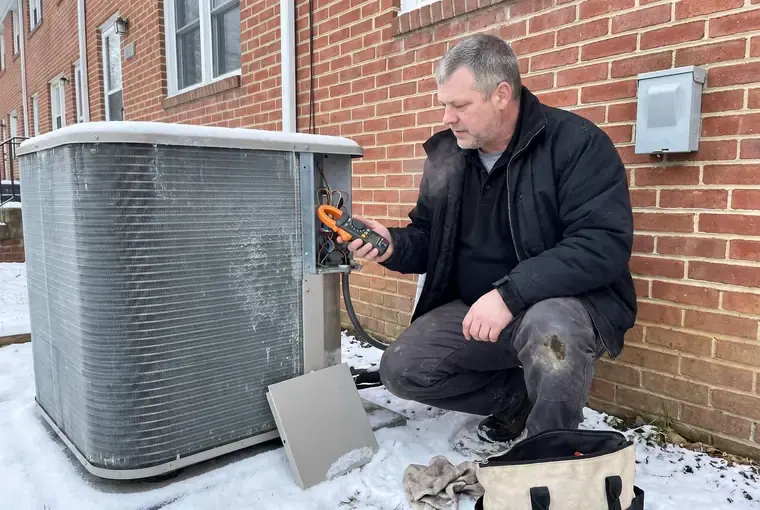
A ductless mini split heats and cools the rooms your central system never quite reaches, without a single new duct. Its price follows the rooms you want covered. Three things set most of the cost, starting with how many indoor heads you need, then the style of each one and the distance to the outdoor unit. Nero’s Heating & Air walks your home, plans every zone and prices the whole system at no charge.
Most ductless mini split installations in Washington, DC, Maryland and Northern Virginia cost $3,000 to $5,500 for one room with a wall-mounted head. Multi-zone systems run about $6,000 to $13,000, and the number of heads decides where yours falls. Nero’s Heating & Air prices your layout after walking the rooms with you.
| System | Installed price in the DMV |
|---|---|
| Single zone, one room | $3,000–$5,500 |
| Single zone, large open space | $4,000–$5,500 |
| Two zones | $6,000–$8,500 |
| Three zones | $8,000–$11,000 |
| Four or five zones | $10,000–$13,000 |
Market estimates for the DMV area. Your own price comes from the home visit.
Most installs need none of these. When yours does, each one shows up as its own line on the estimate, so you can see exactly what it adds.
| Add-on | Typical added cost |
|---|---|
| Ceiling cassette in place of a wall head | $500–$1,500 per head |
| Line set beyond the standard length | $10–$25 per foot |
| Condensate pump | $150–$400 |
| Dedicated 240-volt circuit | $300–$800 |
A ductless estimate starts on your floors, not on a floor plan. One of our technicians walks each room on your list and marks where the heads and condenser fit. Then the line runs get measured, and you see the layout and its price together.
The estimate is free, and your signature makes it binding. If the plan calls for a condensate pump or extra line, you’ll know before anything is ordered.
Each extra zone adds an indoor head, another line set and more labor. A second or third head usually adds roughly $2,000 to $3,000 to the system.
A wall head is the most affordable choice. Ceiling cassettes, floor consoles and concealed ducted units fit certain rooms better, and they take more time to install.
The copper lines that link each head to the outdoor unit come in a standard length. Longer runs, like a head on the far side of a DC rowhouse, add material and labor by the foot.
Standard models heat well through most DMV winters. Cold-climate models hold their output on the coldest nights and cost more. It helps to know how mini splits work in winter before you choose.
Every head has to drain the moisture it pulls from the air. A head on an outside wall can usually drain by gravity. One on an inside wall often needs a pump.
Most mini splits need a dedicated 240-volt circuit from a licensed electrician. A panel with open space keeps that step simple, and a full panel adds more.
Ductless usually wins in DMV homes that never had ducts at all. Many older rowhouses and bungalows here are heated by radiators or baseboard. Running new ducts through plaster walls and ceilings is a bigger, messier job, and it gives up closet space.
It also suits one stubborn space, like a finished attic or an addition. The same goes for upstairs rooms that stay cold while the rest of the house is fine. You can keep the radiator heat you already have and add ductless for summer cooling.
Central air still makes sense when the house already has ducts in good shape. There, a ducted heat pump often covers every room for less than five or six heads would.
Keeping an older mini split or starting fresh usually comes down to its age and the refrigerant printed on the outdoor unit’s nameplate.
GreenSky financing turns a new ductless system into monthly payments, so a hot upstairs bedroom doesn’t have to wait for next year’s budget. Promotional rates go to qualified customers, based on your application and approval.
Ductless systems can also qualify for utility rebates. Maryland homes can check EmPOWER Maryland, and District homes the DC Sustainable Energy Utility.
Usually one day for a single zone. A multi-zone system often takes two to three days. More heads and more floors add time.
Yes. Average January lows here sit in the upper 20s, a range standard ductless systems handle well. For homes that rely on ductless as their only heat, cold-climate units keep working well below zero.
About 15 to 20 years. Regular filter cleaning and a yearly checkup help it reach the long end of that range.
No. Most wall heads run at roughly 20 to 30 decibels on low, about the level of a whisper. The compressor sits outside, so most of the sound stays out of the room.
It can be, in rooms where wall space is short or looks matter. A cassette adds about $500 to $1,500 per head and pushes air in four directions, which suits open living areas.
Usually, when the outdoor unit has spare capacity and an open port. Adding a head to a multi-zone condenser typically runs $2,000 to $3,000. A single-zone condenser can’t take a second head, so that room needs its own system.
Ready to plan your zones? Our team handles ductless mini split installation across the DMV, and our full price list covers every other service.
Tell us which spaces run too hot, too cold or never feel right. We’ll walk them with you, plan the zones and give you a price that won’t move.