


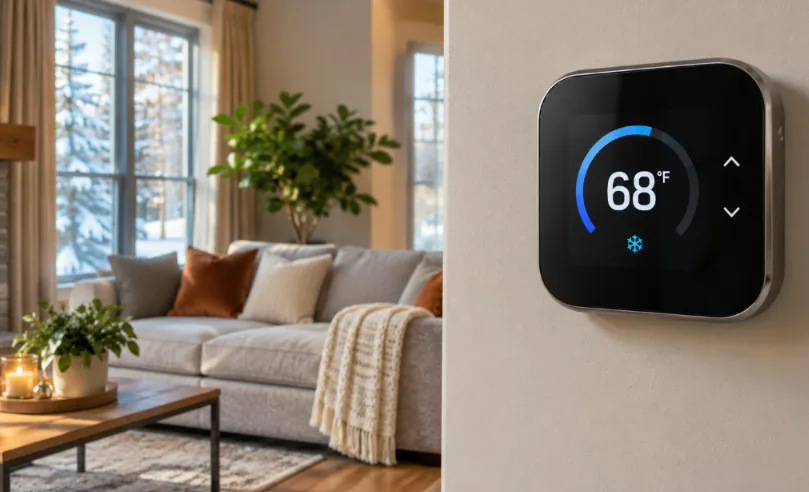
When winter arrives in Cheverly, MD, your thermostat becomes one of the most important controls in your home. Set it too high, and your heating system may run longer than necessary. Turn it down too far, and you could wake up uncomfortable or put plumbing in colder areas of your home at risk.
For most households, 68°F while you're home and awake is a practical winter starting point. You can lower the temperature at night or when the house is empty, and you should keep it at 55°F or higher when traveling to help protect your pipes. However, heat pump owners need a different approach: large temperature setbacks can trigger expensive electric backup heat during recovery.
Is 68°F the Right Winter Setting for Every Home?
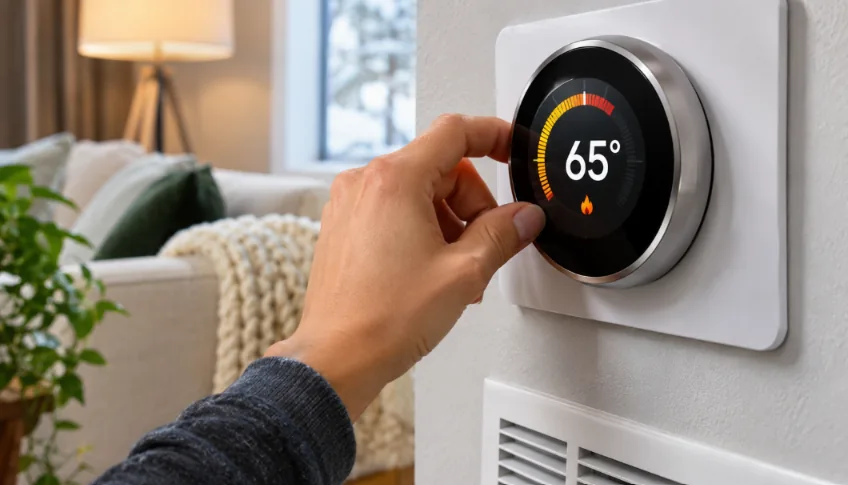
Start around 68°F when everyone is home and awake. This is a commonly recommended energy-conscious setting, but comfort varies with clothing, activity, health, insulation, and personal preference. You can adjust it a degree or two to find a temperature that works for your household without unnecessary heating.
The savings from lowering your thermostat depend on how long the setting stays reduced and which heating system you use. The U.S. Department of Energy estimates that turning the thermostat back 7–10°F for 8 hours a day can cut heating and cooling costs by as much as 10% a year. A gas furnace can generally recover from a nighttime setback without the same backup-heating concern as a heat pump. Heat pump owners should avoid large temperature changes.
Recommended Winter Thermostat Settings
| Situation | Suggested Temperature | What to Know |
|---|---|---|
| Home and awake | Around 68°F | A practical starting point for comfort and energy use |
| Sleeping overnight | Lower than daytime setting on a furnace | A 7–10°F setback may work for many furnace systems |
| Away during the workday | Lower than daytime setting on a furnace | Schedule recovery before you return |
| Away for several days | At least 55°F | Helps reduce the risk of frozen pipes |
| Using a heat pump | Keep the temperature relatively steady | Avoid large setbacks that may trigger auxiliary heat |
These are starting recommendations, not universal settings for every home. Your equipment, thermostat controls, insulation, plumbing location, and household needs all affect the right temperature.
How Should You Adjust the Thermostat When You're Home, Asleep, or Away?
Your thermostat does not need to maintain the same comfort temperature when every room is empty or everyone is sleeping. A schedule can reduce heating demand during those hours, but the amount you should lower the temperature depends on whether your home uses a furnace or heat pump.
While You're Home and Awake
Set the thermostat around 68°F as your daytime baseline. If that feels too cool, increase it gradually until everyone is comfortable. Wearing an extra layer or using curtains to reduce drafts may also help you stay comfortable without relying entirely on a higher thermostat setting.
Dry winter air also makes a room feel colder than the thermostat reads. If your home feels dry and staticky at 68°F, a whole-home humidifier can make the same setting feel warmer.
Overnight While You're Sleeping
If you have a gas furnace, lowering the temperature by approximately 7–10°F overnight can reduce heat loss while the household is asleep. You can program the thermostat to return to your preferred daytime setting before you wake up.
Heat pump owners should not automatically follow the same schedule. A large overnight drop can cause the system to use electric auxiliary heat during morning recovery, potentially increasing electricity use.
When Nobody Is Home During the Day
For a gas furnace, lowering the thermostat while everyone is at work or school can reduce unnecessary heating. Set the schedule to begin warming the house before the household returns, rather than keeping the home at its full comfort setting all day.
If you have a heat pump, use smaller adjustments or maintain a steady temperature. The right schedule depends on the equipment's capacity and how its thermostat controls supplemental heat.
When You Leave Town for Several Days
Keep the thermostat at 55°F or higher when leaving your home during winter. This is a commonly recommended minimum for reducing frozen-pipe risk, particularly in areas with plumbing near exterior walls, crawlspaces, or other cold spaces. Homes with vulnerable pipes may need a higher setting.
Why Should You Never Set Your Thermostat Below 55°F When Traveling?
When you leave home for several days, lowering the thermostat too far can put water lines at risk. Pipes near exterior walls, unheated basements, crawlspaces, and poorly insulated areas can become much colder than the main living space. If the water inside a pipe freezes, it can expand and cause the pipe to crack or burst.
WSSC Water, which serves Prince George's County, recommends keeping rooms with water meters and interior pipes at 55°F or warmer through the winter. This is especially important in older homes where plumbing may pass through spaces that receive little indoor heat. You can review WSSC Water's winter pipe tips for additional precautions.
Extra Steps to Protect Your Plumbing
The thermostat is only one part of frozen-pipe prevention. Before leaving for a winter trip:
- Keep the thermostat at 55°F or higher, and consider a higher setting if your home has a history of frozen pipes.
- Open cabinet doors beneath sinks on exterior walls so warmer room air can reach the plumbing.
- Insulate exposed water lines in basements, crawlspaces, and other cold areas.
- Seal drafts around windows, doors, and openings where pipes enter the home.
- Disconnect and drain outdoor hoses and shut off exterior hose connections when appropriate.
- Arrange for someone to check the home during extended cold weather.
Remember that 55°F is a minimum guideline, not a guarantee. A furnace failure, power outage, severe cold, or poorly protected plumbing can still result in frozen pipes. If your home has a history of freezing, take additional precautions before traveling.
Why Should Heat Pump Owners Avoid Large Winter Temperature Setbacks?
Heat pumps operate differently from gas furnaces, so the usual advice about lowering the thermostat overnight does not always apply. Instead of creating heat by burning fuel, an air-source heat pump transfers heat from outdoor air into your home. It is designed to maintain comfort through relatively steady operation, making large temperature changes less suitable for many systems.
The important issue is what happens when the thermostat calls for a rapid temperature increase. Depending on the system and its controls, the heat pump may activate electric auxiliary heat to help the home recover. That backup heat can use considerably more electricity than the heat pump's compressor.
How a Heat Pump Produces Heat in Winter
A heat pump uses refrigerant to absorb heat from outdoor air and transfer it indoors. Even when outdoor temperatures are cold, there is still heat energy available for the system to move. As outdoor temperatures fall, however, the equipment's heating capacity and efficiency can change.
Unlike a gas furnace, a heat pump often works best by running for longer periods and maintaining a relatively consistent indoor temperature. Its performance depends on the equipment model, outdoor conditions, installation, and system controls.
How a Large Temperature Increase Activates Auxiliary Heat
Imagine lowering your thermostat several degrees before bed and then raising it sharply when you wake up. The thermostat sees a large difference between the current indoor temperature and the requested setting. Depending on its programming, it may activate auxiliary electric heat to bring the home up to temperature faster.
Auxiliary heat, often called aux heat, commonly uses electric resistance heating elements. These elements can provide supplemental warmth, but they generally cost more to operate than the heat pump compressor. If a large setback triggers them regularly, the added electricity use can reduce or eliminate the savings you expected.
The Better Setback Range for Heat Pump Owners
For many conventional heat pump systems, keep temperature changes small, around 2–3°F, or maintain a steady setting throughout the day. This can reduce the chance of triggering backup heat during recovery. Some newer systems and compatible smart thermostats can manage gradual recovery more effectively, so follow the equipment manufacturer's recommendations.
Do not disable auxiliary heat just to avoid higher electricity use. Backup heat may be necessary during very cold conditions, defrost cycles, or when the heat pump cannot meet the home's heating demand. The goal is to avoid unnecessary activation, not prevent the system from using backup heat when it is needed.
If your heat pump frequently relies on auxiliary heat, schedule an inspection. A technician can review thermostat settings, staging, system operation, and maintenance needs. Our heat pump maintenance services in Cheverly, MD can help identify issues that affect winter performance.
Is a Programmable or Smart Thermostat Worth Installing?
A programmable or smart thermostat can make winter temperature management easier by following a schedule instead of relying on manual adjustments. It can lower the setting when the household is away and restore comfort before everyone returns. However, the thermostat must be compatible with your heating system, particularly if you own a heat pump.
Before choosing a thermostat, consider these features:
- Heat pump compatibility: Make sure the thermostat supports your specific heat pump and its auxiliary heating stages.
- Gradual temperature recovery: Look for controls that can increase the temperature gradually rather than triggering backup heat unnecessarily.
- Auxiliary heat management: Confirm that the thermostat can manage supplemental heat according to the manufacturer's recommended settings.
- Flexible scheduling: Choose a model that supports the weekday, weekend, and overnight schedules your household actually follows.
- Remote access: Wi-Fi connectivity can help you check or adjust the temperature while you are away.
A thermostat designed for a gas furnace may not provide the correct controls for a heat pump. Check compatibility before purchasing or installing a replacement. If you are unsure, ask a technician to check compatibility during your next heating service visit.
How Can You Get Better Winter Heating Performance in Your Cheverly Home?
Choosing the right thermostat setting is important, but it is only one part of keeping your home comfortable. A dirty filter, restricted airflow, poorly configured thermostat, or neglected heating components can make it harder for your system to maintain the temperature you select.
A few practical steps can help your heating system operate more consistently:
- Check your air filter regularly and replace it when it becomes dirty.
- Keep supply and return vents clear of furniture, rugs, and other obstructions.
- Seal noticeable drafts around doors and windows.
- Keep the area around your furnace or indoor air handler clear.
- Schedule seasonal service before the heating system faces its heaviest workload.
- Have unusual cycling, weak airflow, or frequent auxiliary heat operation inspected.
If your furnace or heat pump struggles to maintain the thermostat setting, do not assume that changing the temperature will solve the problem. Explore our heating services in Cheverly, MD to learn more about the systems we service.
Why Choose Nero's Heating & Air for Winter Heating Service in Cheverly?
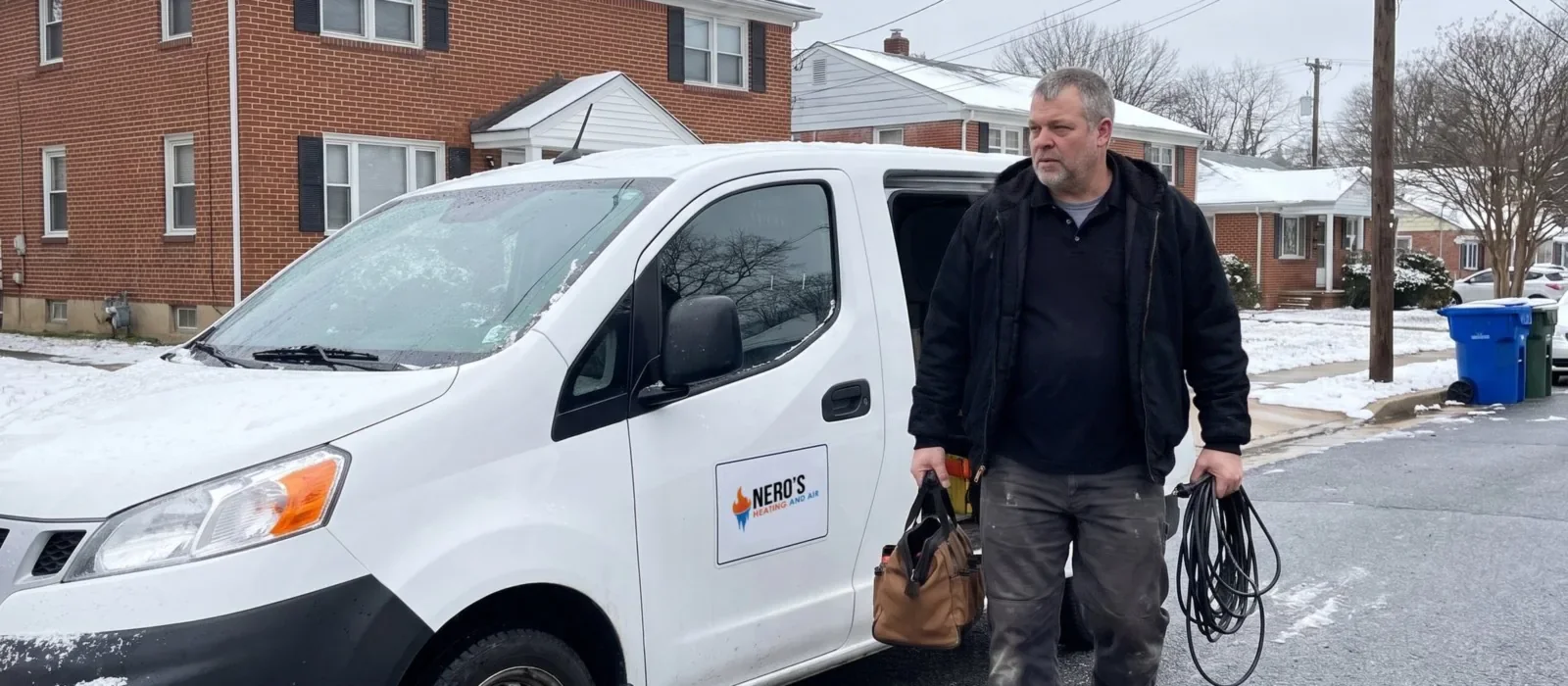
The right winter thermostat setting depends on more than the number displayed on the screen. Your heating equipment, thermostat configuration, and home's insulation all influence how efficiently the system maintains comfort. Nero's Heating & Air is based in Cheverly and provides heating and cooling services to homeowners throughout Prince George's County and the surrounding DMV area.
Our technicians work with furnaces, heat pumps, and other residential heating systems. If your heat pump keeps activating auxiliary heat or your furnace struggles to maintain the temperature, a professional inspection can help identify whether the issue involves equipment performance, maintenance, or thermostat controls.
You can also explore our HVAC maintenance plans for scheduled heating and cooling care throughout the year. Our team holds Maryland HVAC/R license #47671 and EPA certification, and Nero's has shared winter home-prep HVAC tips with DC News Now viewers ahead of a snowstorm.
If you need help getting your heating system ready for winter, call (202) 750-9543 or book a heating visit online.
Frequently Asked Questions
No. A furnace or heat pump delivers heat at the same rate whether you set 70°F or 80°F, so cranking the thermostat up only makes the system overshoot and waste energy. Set it to the temperature you actually want and give it time. With a heat pump, a big jump can also switch on costly backup heat.
It can, but only if it is a heat pump model that limits backup heat and uses gradual recovery. A generic setback schedule can cost you more by triggering electric auxiliary heat each morning. Match the thermostat to the equipment, and confirm the recovery settings before you rely on them.
A large jump asks for heat faster than the compressor can deliver, so the system switches on electric resistance backup to catch up quickly. That backup typically costs two to three times more to run than the compressor. Smaller temperature changes let the compressor handle the recovery on its own.
For most people it is a workable awake setting with a sweater handy. Comfort is personal, so adjust by a degree or two to suit your household. Every degree lower trims runtime and cost, which is where the savings come from, while a degree higher costs a little more.
With a gas furnace, a setback while you sleep or work saves money because it recovers cheaply. With a heat pump, holding a steadier temperature often costs less than a deep setback that forces electric backup heat during recovery. The right answer depends entirely on which system you have.
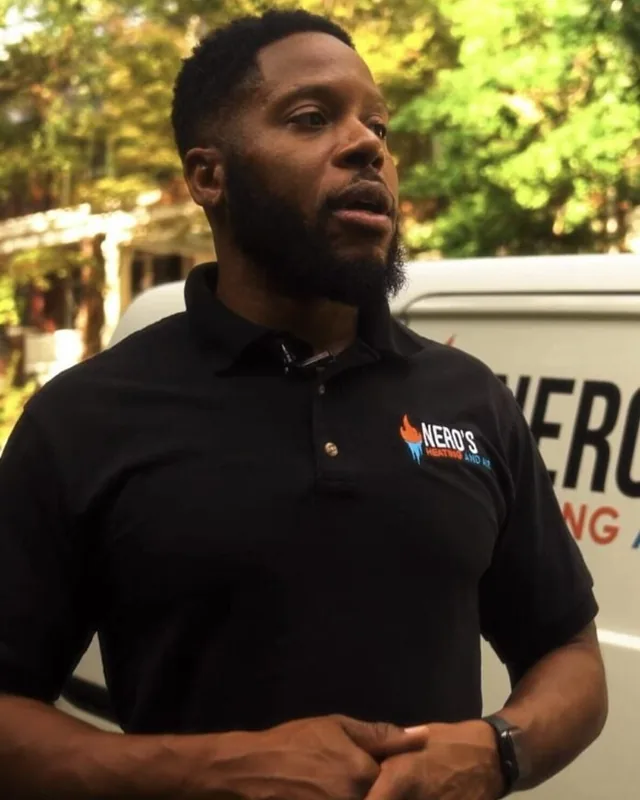
Julian Jones
- Founder
- Master HVAC, EPA 608
Julian started his own HVAC company after several years in the field with a large home services company. He had already learned the technical side of HVAC. What he wanted to change was how the work was explained.
The part of the job he cares about most is still the explanation. His view is simple: if a technician cannot clearly tell you what failed and why, the diagnosis is not finished yet.
About Us